Professional Siding Updates in Middle Georgia
Your siding shouldn’t show rot, cracks, or fading every time you look at your home’s exterior. With professional siding updates from Alcord Construction, you can replace damaged sections, refresh outdated materials, or completely re-side your home with durable products installed correctly—without the leaks, gaps, or misaligned panels that reveal poor workmanship. Our team handles everything from partial repairs to full siding replacement so you get weather protection that lasts, improved curb appeal, and installations that stand up to Middle Georgia weather for decades.
Common Siding in Middle GA Homes
- Rotted or damaged wood siding threatening your home’s structural integrity and weather protection
- Cracked, warped, or faded vinyl siding making your home look worn and neglected
- Missing or loose panels allowing water infiltration and pest entry
- Outdated materials like old aluminum or deteriorating fiber cement needing replacement
- Failed paint or finishes on wood siding requiring constant maintenance and frequent repainting
Why Middle GA Homeowners Choose Alcord Construction for Siding Updates?
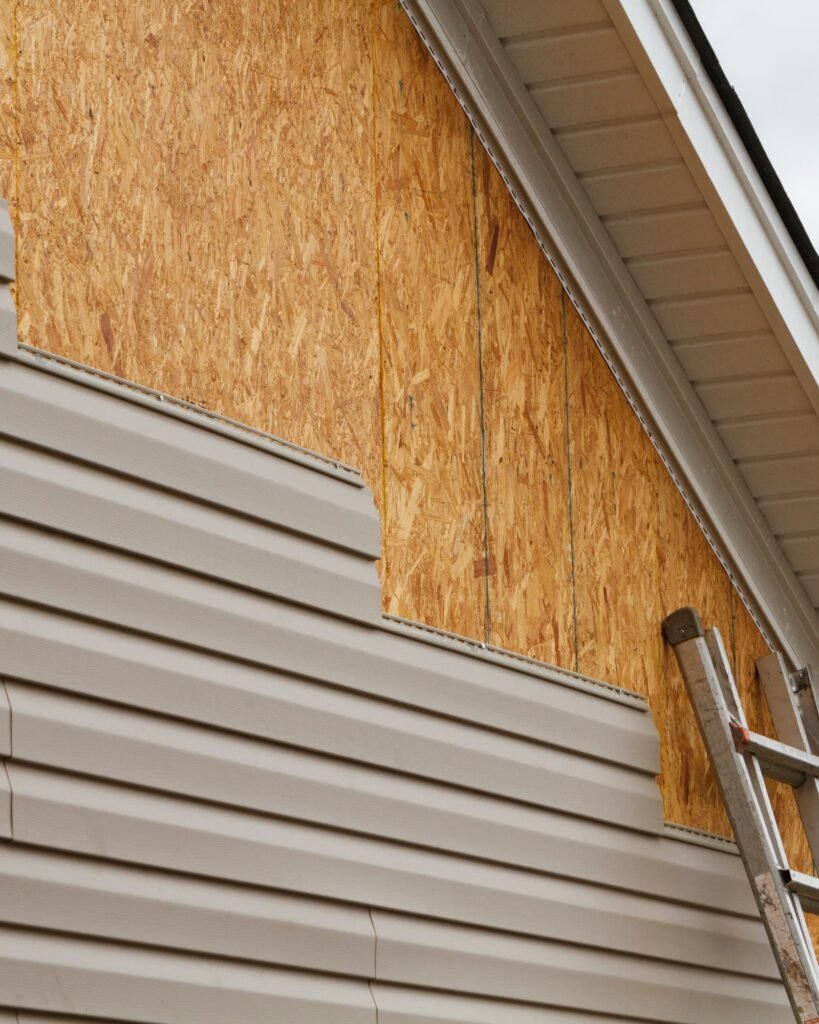
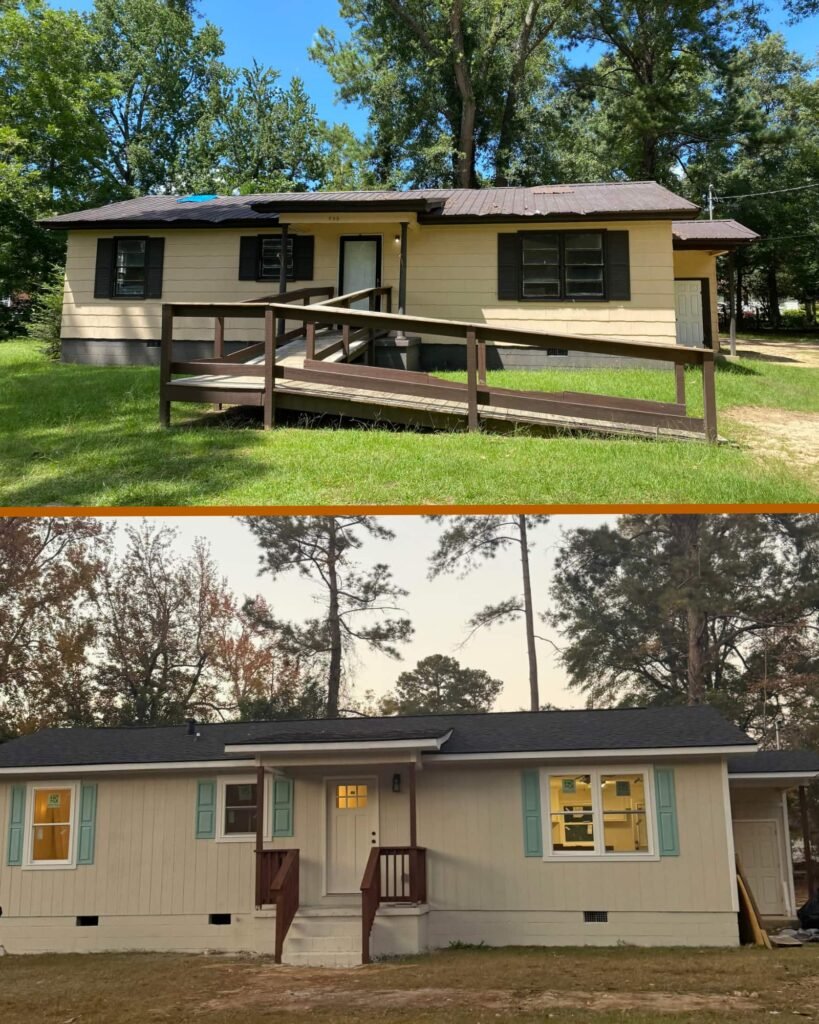
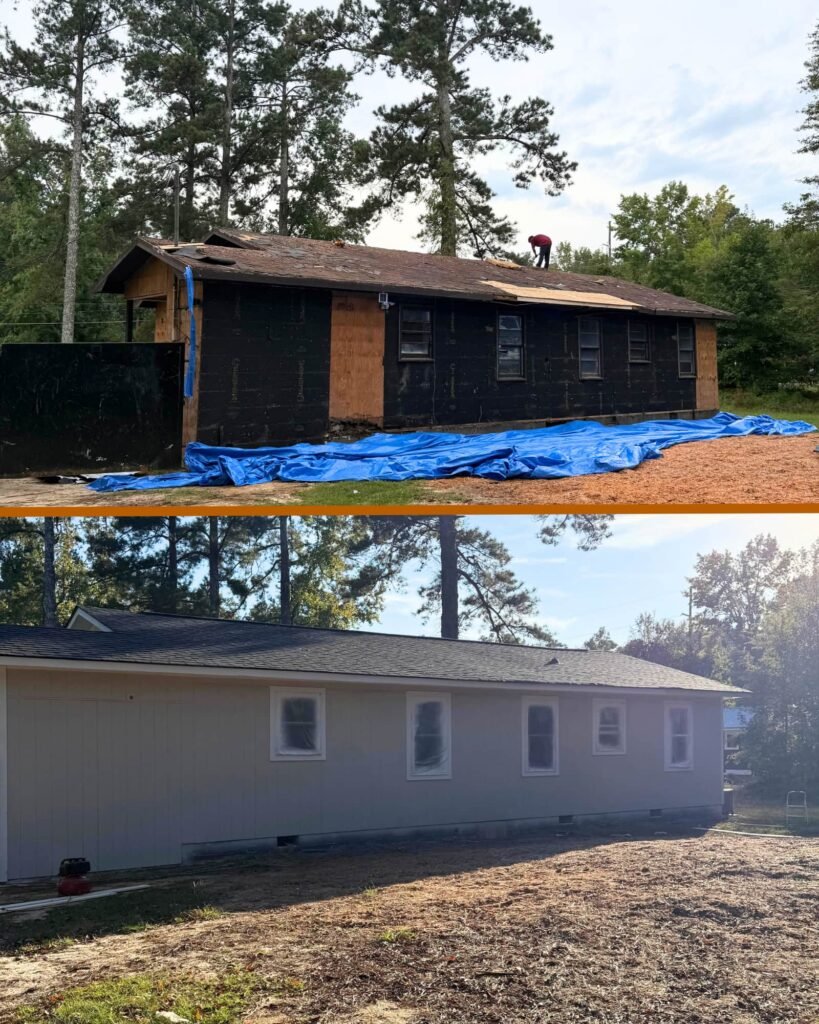
Alcord Construction delivers precise, weathertight siding installation that protects your home and enhances its appearance. We assess existing siding and underlying conditions, remove old materials carefully when necessary, install proper moisture barriers and flashing, secure new siding with correct fastening and spacing, and complete all trim and finishing details—ensuring durability and weather protection with professional results. With extensive experience throughout Sandersville, Dublin, Milledgeville, Macon, Warner Robins, Perry, and surrounding Middle Georgia areas, we bring skilled installation and proven methods to every siding project.
Our Services
Our Service Areas
- Sandersville
- Dublin
- Milledgeville
- Macon
- Warner Robins
- Perry
- Surrounding Middle Georgia communities
Learn More
Siding Updates in Middle Georgia: Protection That Looks Beautiful
Siding serves as your home’s primary weather barrier and defines its exterior appearance. Quality siding protects structural components from moisture, insulates against temperature extremes, resists pest intrusion, and creates the curb appeal that shapes first impressions and property values. When siding fails—through age, damage, or poor installation—it compromises protection and appearance simultaneously. Water penetrates behind failing siding causing rot in sheathing and framing. Energy efficiency suffers as insulation gets wet or air infiltrates gaps. Appearance deteriorates making homes look neglected regardless of interior condition. Professional siding updates address both protection and aesthetics, using appropriate materials installed with attention to weatherproofing details that determine whether installations last decades or fail within years.
Understanding What Siding Actually Does
Many homeowners view siding as purely cosmetic—a decorative layer creating exterior appearance. This misunderstanding leads to poor material choices and inadequate installation that compromises homes.
Weather protection is siding’s primary function. Siding sheds water away from homes, blocks wind-driven rain, resists UV radiation from sun exposure, withstands temperature extremes, and creates first defense against moisture infiltration. When siding fails, moisture reaches sheathing and framing causing rot, mold, and structural damage costing thousands to repair.
Proper installation determines protection effectiveness more than material quality. Premium siding installed poorly performs worse than economy materials installed correctly. Installation details—flashing, moisture barriers, proper fastening, appropriate gaps—separate installations that protect homes from those that allow weather damage.
Energy efficiency depends partially on siding systems. While insulation provides primary thermal protection, siding affects overall performance by preventing air infiltration, protecting insulation from moisture, providing additional thermal resistance with insulated products, and creating continuous barrier protecting building envelope.
Appearance and property value are significantly influenced by siding condition. Fresh, well-maintained siding increases curb appeal and home values. Damaged, faded, or outdated siding decreases property appeal and market value. Real estate professionals consistently identify siding condition as major factor affecting buyer interest and offers.
Common Siding Materials and Their Characteristics
Different siding materials suit different applications, budgets, and aesthetic preferences. Understanding options helps make informed decisions.
Vinyl Siding—Popular and Economical
Vinyl siding dominates residential applications due to several advantages. It costs less than most alternatives, requires minimal maintenance beyond occasional washing, resists rot and insect damage, comes in various colors and styles, and installs relatively quickly reducing labor costs.
However, vinyl has limitations. It can crack from impacts, particularly in cold weather. Lower-quality vinyl fades noticeably over time. It can warp from heat exposure near grills or reflective windows. Vinyl melts in fires providing no fire resistance. It looks obviously synthetic rather than resembling natural materials convincingly.
Quality varies dramatically between manufacturers. Premium vinyl is thicker, more fade-resistant, and more convincingly textured than economy products. It costs more but performs significantly better long-term.
Fiber Cement Siding—Premium Durability
Fiber cement products like James Hardie siding offer excellent performance. They resist rot, fire, insects, and impact damage. They maintain appearance better than vinyl. They can be painted any color. They convincingly replicate wood texture and appearance.
However, fiber cement costs significantly more than vinyl—both materials and installation labor. It’s heavy, requiring two people to handle, and hard, requiring special cutting equipment. Installation takes longer than vinyl. It requires periodic painting unlike vinyl’s maintenance-free characteristics.
For homeowners prioritizing durability and appearance over initial cost, fiber cement delivers excellent long-term value.
Wood Siding—Traditional Character
Real wood siding—cedar, pine, or other species—provides authentic appearance impossible to replicate fully with manufactured products. It paints or stains beautifully, can be repaired relatively easily, and ages gracefully developing character over time.
However, wood requires substantial maintenance including painting or staining every 3-7 years, susceptibility to rot without proper maintenance, vulnerability to insect damage, particularly termites, and higher initial costs than vinyl.
Wood makes sense for historic homes, traditional architectural styles, or homeowners willing to invest in maintenance for authentic appearance.
Engineered Wood Siding—Wood Alternative
Products like LP SmartSide offer wood appearance with improved rot resistance compared to natural wood. They cost less than fiber cement while providing more authentic appearance than vinyl. They accept paint well and resist termites better than natural wood.
However, they still require painting and periodic maintenance. They’re vulnerable to moisture if not properly installed and maintained. Quality varies between manufacturers.
Metal Siding—Durability and Modern Aesthetics
Aluminum and steel siding offer extreme durability, fire resistance, and modern appearance. They’re common on contemporary designs and mountain homes. They require minimal maintenance and last indefinitely when properly installed.
However, metal dents from impacts, conducts heat affecting energy efficiency without insulation backing, shows scratches and damage obviously, and costs more than vinyl while offering limited style options.
Metal siding suits specific applications and aesthetics but isn’t appropriate for all homes.
Brick and Stone Veneer—Premium Appearance
While technically not siding, thin brick and stone veneer create beautiful, permanent exterior finishes. They require no maintenance, provide fire resistance, increase home value significantly, and create timeless appearance.
However, they’re expensive—typically the most costly exterior finish option. Installation is labor-intensive requiring masonry skills. Weight requires adequate foundation support. They’re generally not retrofit options for homes not originally designed for masonry.
The Professional Siding Installation Process
Quality siding installation follows systematic processes ensuring both appearance and weather protection.
Existing Siding Assessment
Siding projects begin with thorough assessment. This includes examining condition of existing siding, checking for rot or damage in sheathing beneath siding, identifying moisture problems requiring correction, evaluating insulation and vapor barrier conditions, and determining whether removal or overlay installation is appropriate.
Attempting installation without proper assessment leads to covering problems that continue damaging homes or making installation decisions that prove inappropriate.
Removal of Existing Siding When Necessary
Complete siding removal allows inspection and repair of underlying problems, installation of modern moisture barriers, proper insulation upgrades, and fresh start ensuring new installation performs optimally.
Removal requires care to avoid damaging sheathing, identifying and addressing any rot or damage discovered, proper disposal of old materials, and preparing surfaces for new installation.
Sometimes overlay installation—installing new siding over old—is appropriate. This saves removal costs but prevents inspecting conditions beneath existing siding and limits insulation upgrade options. Overlay only makes sense when existing siding is sound without hidden problems.
Moisture Barrier and Flashing Installation
Proper moisture protection happens behind siding where you can’t see it. This includes installing housewrap or building paper over sheathing, installing flashing at all penetrations—windows, doors, vents, corners, ensuring proper overlaps directing water downward, and sealing penetrations appropriately.
These hidden details determine whether siding systems protect homes or allow moisture infiltration causing expensive damage. Proper installation requires understanding water management principles and executing details correctly.
Trim and Corner Installation
Most siding systems require trim pieces at corners, around openings, and at transitions. Proper trim installation includes starting at proper locations establishing level references, securing trim solidly without buckling, allowing appropriate expansion gaps, and creating weathertight transitions.
Trim establishes appearance quality. Crooked, poorly fit trim ruins otherwise quality siding installation.
Siding Panel Installation
Siding panel installation proceeds from bottom up. Quality installation requires establishing level starting point regardless of foundation irregularities, maintaining consistent exposure and reveals, fastening panels properly—not too tight, not too loose, allowing appropriate expansion gaps, and checking level and alignment throughout installation.
Different materials require different fastening approaches. Vinyl requires loosely driven fasteners allowing expansion. Fiber cement uses tightly driven fasteners. Following manufacturer specifications ensures warranty validity and proper performance.
Cutting and Fitting Details
Siding installation requires countless precise cuts around windows, doors, outlets, lights, and other penetrations. Quality work includes accurate measurement before cutting, clean cuts without crushing or cracking materials, proper flashing and sealing around all penetrations, and careful fitting creating professional appearance.
Poor cutting and fitting immediately reveals amateur installation through gaps, crooked cuts, or damaged materials.
Caulking and Finishing
Final installation includes caulking appropriate joints—not all joints should be caulked, installing finishing accessories like vents and utility covers, final inspection ensuring all details are correct, and cleanup removing debris and leftover materials.
Excessive caulking actually traps moisture rather than preventing infiltration. Understanding which joints should be sealed versus left open separates professional installation from amateur work.
Common Siding Installation Mistakes
Certain mistakes are common in poor siding installations. Understanding them helps recognize quality work.
Inadequate Moisture Barriers
Skipping or poorly installing moisture barriers allows water infiltration behind siding. This causes rot, mold, and structural damage that might not become obvious for years—after warranty periods expire and original installers have disappeared.
Proper moisture barriers are non-negotiable. They’re not visible in finished work but determine whether installations protect homes long-term.
Improper Fastening
Fastening mistakes ruin siding performance. Overdriven fasteners in vinyl cause buckling and warping. Underdriven fasteners allow panels to blow off in wind. Fasteners through face of siding instead of nailing flanges create leak points. Wrong fastener types rust or pull through.
Following manufacturer fastening specifications ensures proper performance and maintains warranty validity.
Insufficient Expansion Gaps
Most siding materials expand and contract with temperature changes. Vinyl particularly requires adequate gaps. Installations without proper expansion space buckle in summer heat and crack from stress in winter cold.
Proper gaps depend on temperature at installation. Installing in warm weather requires smaller gaps than cold weather installation. Professional installers understand and accommodate these requirements.
Poor Flashing Around Openings
Windows and doors are common leak locations. Proper flashing installation creates weathertight transitions between openings and siding. Improper flashing allows water infiltration causing rot in rough openings and interior damage.
Flashing installation must follow specific sequences—attempting repairs after siding installation is extremely difficult. Doing it right during installation prevents problems.
Ignoring Manufacturer Instructions
Every siding product has specific installation requirements. Ignoring these voids warranties and causes performance problems. Professional installers follow manufacturer specifications ensuring installations perform as designed and warranties remain valid.
Regional Considerations for Middle Georgia Siding
Local climate and conditions affect siding selection and installation approaches.
Humidity and Moisture Management
Middle Georgia’s humid climate intensifies moisture challenges. Siding systems must manage moisture effectively through proper moisture barriers preventing infiltration, adequate ventilation allowing drying, appropriate flashing directing water away from structures, and installation techniques preventing moisture trapping.
Materials resistant to moisture and mold perform better in humid climates. Some cheaper vinyl products grow mildew. Quality products resist biological growth better.
Sun Exposure and Fading
Intense sun exposure causes faster fading on south and west-facing walls. Darker colors fade more noticeably than lighter colors. Some vinyl products resist fading better than others through UV inhibitors and quality pigments.
Understanding sun exposure helps homeowners select appropriate colors and manage expectations about fading over time.
Storm Resistance
Middle Georgia experiences severe thunderstorms, occasional tornadoes, and tropical storms. Siding must resist wind-driven rain, withstand high winds without blowing off, resist impact from hail and flying debris, and protect homes during extreme weather events.
Proper fastening and installation techniques create storm-resistant installations. Cheap materials or poor installation create vulnerabilities leading to expensive damage during storms.
Termite and Pest Considerations
Termites are prevalent in Middle Georgia. While siding itself isn’t typically termite food, installation must allow inspection of critical areas, avoid trapping moisture that attracts termites, not create hidden entry points, and allow access for termite treatments.
Some siding materials resist pests better than others. Vinyl and fiber cement are pest-resistant. Wood requires protection and monitoring.
Matching Existing Materials
Partial siding replacement requires matching existing materials. Discontinued products might not be available. Faded siding doesn’t match new materials even when specifications match. These challenges require creative solutions.
Sometimes painting or replacing larger sections creates better appearance than attempting impossible matches. Professional assessment helps determine best approaches.
Maintenance Requirements for Different Siding Types
Different materials require different maintenance. Understanding requirements helps protect siding investments.
Vinyl Siding Maintenance
Vinyl requires minimal maintenance but isn’t truly maintenance-free. Annual washing removes dirt and mildew, inspection identifies damage requiring repair, cleaning mildew growth prevents staining, and addressing damaged panels prevents problems spreading.
Vinyl shouldn’t be painted—paint adheres poorly and actually reduces lifespan. Faded vinyl can only be replaced, not refreshed through painting.
Fiber Cement Maintenance
Fiber cement requires periodic painting—typically every 10-15 years depending on exposure and paint quality. Regular inspection identifies damage, caulking deterioration requires periodic repair, and cleaning maintains appearance.
Properly maintained fiber cement lasts 50+ years. Neglected fiber cement deteriorates requiring replacement much sooner.
Wood Siding Maintenance
Wood siding demands significant maintenance including painting or staining every 3-7 years, caulking as needed to prevent moisture infiltration, prompt repair of damage preventing rot spread, and regular inspection identifying problems early.
Maintenance commitment is substantial. Homeowners unwilling to maintain wood should choose different materials.
Engineered Wood Maintenance
Engineered wood products require similar maintenance to natural wood—periodic painting, caulking maintenance, damage repair, and moisture protection through prompt maintenance.
While more rot-resistant than natural wood, engineered products still fail without proper maintenance.
Understanding Siding Project Costs
Siding represents significant investment. Understanding cost factors helps make informed decisions.
What Affects Siding Costs
Cost varies based on material selection—vinyl is least expensive, fiber cement and wood cost more, home size and complexity—larger homes cost more, more corners and details increase costs, removal and disposal of existing siding when necessary, underlying repairs discovered after removal, trim and accessory requirements, and labor rates in your market.
Premium materials with professional installation cost more initially but often provide better long-term value than cheap materials with poor installation.
Cost Per Square Foot Ranges
Vinyl siding typically costs $4-8 per square foot installed. Fiber cement runs $8-12 per square foot. Wood siding costs $8-15 per square foot depending on species and style. Engineered wood products cost $6-10 per square foot.
These are general ranges. Actual costs depend on specific circumstances, material choices, and contractor pricing.
When Partial Replacement Makes Sense
Complete re-siding is expensive. Sometimes partial replacement makes sense including replacing only damaged sections on otherwise sound siding, addressing one elevation where damage is concentrated, or phasing replacement over multiple years to spread costs.
However, matching concerns and access setup costs sometimes make complete replacement more cost-effective than attempting piecemeal repairs.
Return on Investment
Siding replacement typically returns 75-85% of costs at resale—among the best returns of common improvements. New siding dramatically improves curb appeal, protects home structure from weather damage, reduces energy costs through better envelope performance, and addresses maintenance concerns important to buyers.
Beyond resale considerations, siding provides value through years of improved appearance and reduced maintenance.
The Alcord Construction Siding Update Approach
Different contractors approach siding work differently. Our methods prioritize both protection and appearance.
Thorough Assessment Before Quoting
We don’t provide quotes without examining homes carefully. Our assessment includes inspecting existing siding thoroughly, checking for underlying damage or moisture problems, identifying any necessary repairs before siding installation, evaluating appropriate material options, and providing realistic cost estimates.
Superficial quotes without proper assessment lead to surprises and change orders. Thorough assessment prevents most surprises.
Proper Preparation and Moisture Protection
We understand that siding installation quality depends heavily on preparation and moisture management. Our work includes proper removal of old siding when necessary, repair of any sheathing damage discovered, installation of quality moisture barriers, proper flashing at all penetrations and transitions, and creating drainage plane allowing moisture to escape.
These steps take time and aren’t visible in finished work but determine whether installations protect homes long-term.
Professional Installation Techniques
Our installation follows manufacturer specifications and industry best practices including proper fastening for each material type, maintaining appropriate expansion gaps, checking level and alignment continuously, precise cutting and fitting around all details, and verifying quality throughout installation.
We won’t rush installation to finish quickly. Quality work requires appropriate time and attention.
Attention to Trim and Details
We understand that trim work and finishing details determine perceived installation quality. Our work includes precise trim installation creating clean lines, proper corner treatments, careful work around windows and doors, and professional finishing making installations look complete and polished.
Sloppy trim work ruins otherwise quality siding installation. We ensure trim work meets same standards as siding installation.
Complete Cleanup
Siding installation creates substantial debris. We maintain clean job sites including daily cleanup during projects, protecting landscaping from damage, proper disposal of all materials, and leaving properties cleaner than many contractors would.
We respect your property and understand that professional service includes complete cleanup, not just finished installation.
Clear Communication Throughout
You shouldn’t wonder what’s happening with your project. We maintain communication through explaining the installation process and timeline, notifying you of any issues discovered during work, coordinating access and scheduling, and ensuring you understand maintenance requirements.
Siding projects are major investments. Clear communication helps ensure satisfaction with both process and results.
Middle Georgia Expertise
Throughout Sandersville, Dublin, Milledgeville, Macon, Warner Robins, Perry, and surrounding Middle Georgia communities, we’ve installed and repaired siding on homes of every age and style. Our regional experience means we understand moisture challenges in humid climate, materials that perform well in intense sun exposure, storm resistance requirements for severe weather, and common problems with existing siding in local homes. Our reputation depends on installations that protect homes and look great for decades.
Update Your Middle Georgia Home’s Exterior
Siding protects your home’s structure while defining its exterior appearance. Whether you’re addressing damaged sections, replacing failing old siding, or simply updating your home’s appearance, quality installation delivers weather protection and curb appeal that lasts. If you’re dealing with rotted or damaged siding threatening your home, faded or outdated materials hurting appearance, or simply want to refresh your home’s exterior, professional siding updates deliver protection and beauty.
Alcord Construction brings proven expertise to every siding project. We handle all aspects including thorough assessment, proper removal when necessary, moisture barrier and flashing installation, quality material installation, trim and finishing details, and complete cleanup. You receive installations that protect your home and enhance its appearance for decades.
Throughout Sandersville, Dublin, Milledgeville, Macon, Warner Robins, Perry, and surrounding Middle Georgia communities, we deliver siding updates that homeowners trust.