Professional Kitchen Remodeling in Middle Georgia
Your kitchen shouldn’t feel cramped, outdated, or frustrating every time you cook or gather with family. With professional kitchen remodeling from Alcord Construction, you can create a space that works for your daily life, fits your style, and adds lasting value to your home—without the stress of managing a complex renovation. Our team handles demolition, installation, and finishing so your kitchen becomes the functional, beautiful space you’ve always wanted.
Common Kitchen Problems in Middle GA Homes
- Worn cabinets, cracked countertops, and outdated flooring making your kitchen look tired and uninviting
- Poor layouts wasting space and making meal prep inefficient
- Insufficient storage leaving counters cluttered with appliances and dishes
- Old lighting creating dark corners and making tasks difficult
- Damaged drywall, peeling paint, or water stains from years of use
Why Middle GA Homeowners Choose Alcord Construction for Kitchen Remodeling
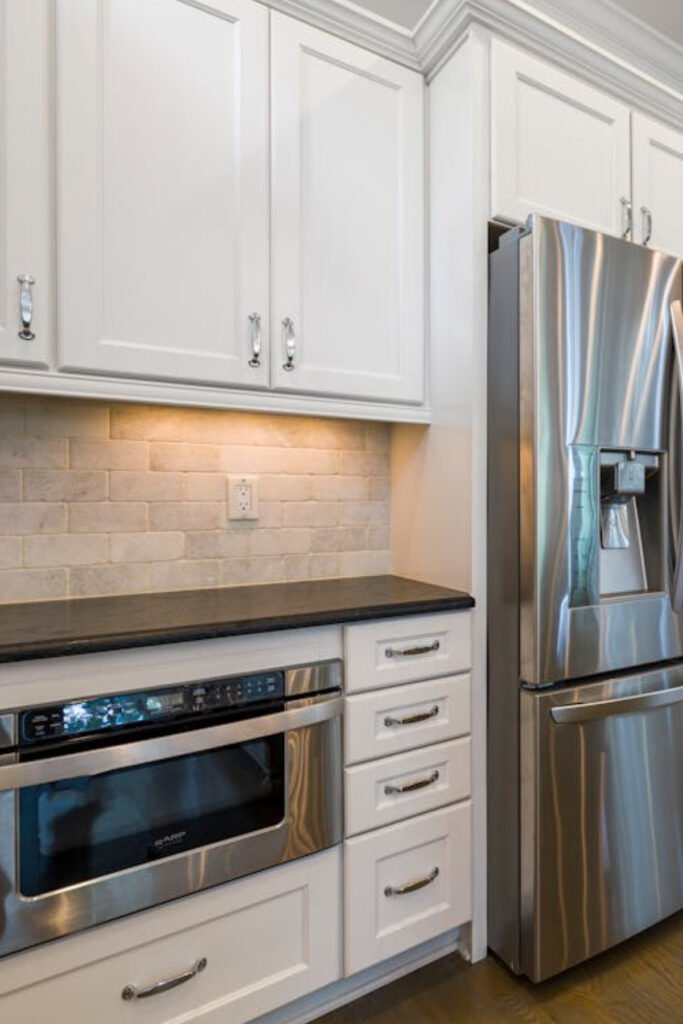
Alcord Construction provides thoughtful, precise kitchen remodeling that transforms your space into something you’ll use and enjoy every day. We upgrade layouts for better flow, install quality cabinets and countertops, refresh walls and flooring, and handle every detail from demolition to final paint—ensuring durability and a clean, professional finish. With years of experience serving Sandersville, Dublin, Milledgeville, Macon, Warner Robins, Perry, and surrounding Middle Georgia communities, we deliver reliable results and honest communication every step of the way.
Our Services
Our Service Areas
- Sandersville
- Dublin
- Milledgeville
- Macon
- Warner Robins
- Perry
- Surrounding Middle Georgia communities
Learn More
Kitchen Remodeling in Middle Georgia: Creating Spaces That Work for Your Life
Your kitchen is more than a place to cook. It’s where you start your morning, where your family gathers for meals, where you entertain guests, and where everyday life happens. When your kitchen doesn’t work for you—when it’s cramped, outdated, inefficient, or just plain worn out—it affects your home in ways you feel every single day. A well-planned kitchen remodel can change that. It can give you the space, functionality, and style you need while adding real value to your home.
Why Your Kitchen Matters More Than You Think
Most homeowners don’t realize how much a kitchen impacts their daily routine until they start living with a better one. A poorly designed kitchen slows you down. You’re constantly working around obstacles—not enough counter space, awkward cabinet placement, dim lighting, or appliances that don’t fit the way you cook. Over time, these small frustrations add up.
A functional kitchen makes meal prep faster, keeps your space organized, and gives you room to breathe. It also sets the tone for your home. When guests walk in, the kitchen is often the first space they see and the place where people naturally gather. An updated, well-maintained kitchen signals that your home is cared for and welcoming.
Beyond daily use, your kitchen directly affects your home’s resale value. Real estate professionals consistently point to kitchens and bathrooms as the two spaces buyers notice most. An outdated kitchen can turn buyers away or lower offers. A modern, well-designed kitchen makes your home more attractive and can deliver a strong return on investment when it’s time to sell.
Signs Your Kitchen Needs Professional Attention
Not every kitchen issue requires a full remodel, but some problems indicate it’s time to make changes. Recognizing these signs early helps you plan the right scope of work and avoid bigger headaches down the road.
Cabinets Falling Apart
Cabinets take a beating over the years. Hinges loosen, doors sag, drawer slides fail, and finishes wear away. If your cabinets are difficult to open, won’t stay closed, or look shabby no matter how much you clean them, replacement or refacing makes sense. Damaged cabinets also waste space—broken drawers become unusable, and wobbly shelves can’t hold much weight.
Countertops That Have Seen Better Days
Cracked laminate, chipped tile, stained surfaces—these aren’t just cosmetic issues. Damaged countertops can harbor bacteria, make food prep less sanitary, and simply look worn out. If your countertops have deep scratches, burn marks, or permanent stains, upgrading to more durable materials improves both function and appearance.
Layout That Doesn’t Work
Some kitchens were designed decades ago when families cooked differently. You might have too little counter space near the stove, a refrigerator that blocks traffic flow, or no room for more than one person to work at a time. Poor layouts create unnecessary steps and make cooking feel like a chore. A thoughtful remodel can reconfigure your space to match how you actually use your kitchen.
Insufficient Storage
If your counters are cluttered with appliances because you have nowhere to store them, or if you’re constantly digging through crowded cabinets to find what you need, your kitchen lacks adequate storage. Modern cabinetry solutions—pull-out shelves, lazy Susans, deep drawers, pantry units—can multiply your usable space without expanding your kitchen’s footprint.
Outdated or Inadequate Lighting
Dark kitchens are frustrating to work in and make your space feel smaller. Overhead lighting alone rarely provides enough illumination for detailed tasks. If you’re straining to see while chopping vegetables or if your kitchen feels dim even during the day, upgrading your lighting plan makes a significant difference. Under-cabinet lights, pendant fixtures, and recessed lighting improve visibility and create a more inviting atmosphere.
Water Damage or Structural Concerns
Soft spots in the floor, water stains on walls or ceilings, or visible mold signal underlying problems that need immediate attention. These issues often stem from plumbing leaks, poor ventilation, or roof damage. Ignoring them leads to more extensive—and expensive—repairs later. A kitchen remodel provides the opportunity to address these problems properly while upgrading your space.
Repair vs. Replace: Making the Right Choice
When your kitchen starts showing its age, you face a decision: repair what you have or commit to a full remodel. The right answer depends on your specific situation, budget, and long-term plans.
When Minor Repairs Make Sense
If your kitchen layout works well and the bones are solid, targeted repairs can extend its life. Replacing worn cabinet hardware, patching drywall, repainting walls and cabinets, installing new light fixtures, or refinishing cabinets can refresh your space at a fraction of remodeling costs.
Minor repairs make sense when your kitchen’s problems are primarily cosmetic, when you’re planning to move within a few years, or when budget constraints require phasing improvements over time. They’re also appropriate for rental properties where full remodels don’t make financial sense.
When a Full Remodel Becomes Necessary
Some kitchens are beyond repair. If your cabinets are structurally failing, your layout is fundamentally flawed, you’re dealing with water damage or mold, your appliances are outdated and inefficient, or multiple major systems need replacement at once, a full remodel makes more sense than patching problems indefinitely.
A complete remodel also makes sense when your family’s needs have changed. Growing families need more space, aging homeowners want easier access and safer features, and anyone who cooks regularly deserves a kitchen designed for their habits.
The Cost Perspective
Kitchen remodels represent a significant investment, but they also deliver measurable returns. According to real estate data, minor kitchen remodels typically recoup 70-80% of costs at resale, while major remodels can return 50-60%—and that’s before considering the years of improved daily living you’ll enjoy.
Compare this to repeatedly patching an outdated kitchen. Small repairs add up over time, and you’re left with a space that still doesn’t function well. At some point, investing in a proper remodel makes more financial sense than continuing to throw money at temporary fixes.
What Quality Kitchen Remodeling Actually Involves
A successful kitchen remodel requires careful planning, skilled execution across multiple trades, and attention to detail at every stage. Understanding the process helps you know what to expect and what questions to ask.
Thorough Assessment and Planning
Quality remodeling starts with understanding your space and your needs. A good contractor walks through your current kitchen, asks how you use it, identifies problems, and discusses your vision. This assessment reveals structural issues, determines what’s salvageable, and helps establish realistic timelines and budgets.
Planning includes creating a functional layout that improves workflow, selecting materials that balance durability with aesthetics, coordinating colors and finishes for a cohesive look, and establishing a realistic timeline.
Proper Demolition and Preparation
Removing old cabinets, countertops, flooring, and fixtures requires care. Sloppy demolition damages walls, floors, and plumbing. Professional crews protect your home, remove debris efficiently, address any surprises uncovered during demo, and prepare surfaces properly for new installations.
This phase often reveals hidden problems—old water damage, outdated wiring, or structural issues. Catching these early allows you to address them before moving forward.
Quality Cabinet Installation
Cabinets are the backbone of your kitchen. Proper installation means units are level, plumb, and securely anchored, doors open and close smoothly with no gaps, hardware is precisely placed and functions correctly, and everything is sealed against moisture.
Quality cabinets use solid construction, durable finishes, and reliable hardware. Cheaper options save money upfront but often fail within a few years.
Countertop and Flooring Installation
Countertops need precise measurements and careful installation. Seams should be nearly invisible, edges properly finished, and surfaces sealed against stains and moisture. Your choice of material—granite, quartz, laminate, butcher block—depends on your budget, cooking habits, and aesthetic preferences.
Flooring must withstand heavy traffic, spills, and temperature changes. Whether you choose tile, luxury vinyl, or hardwood, proper installation ensures a level surface, secure attachment, and clean transitions to adjacent rooms.
Skilled Finish Work
The details matter. Quality finish work includes smooth drywall with invisible seams, clean paint lines and solid coverage, properly fitted trim and molding, functional lighting installed to code, and thorough final cleaning.
These finishing touches separate a professional remodel from a mediocre one. They’re what you see and interact with every day.
The Hidden Costs of Delaying Kitchen Remodeling
Putting off a needed kitchen remodel might seem like a smart financial decision in the short term, but waiting often costs more in the long run.
Escalating Damage
Small problems become big ones. A minor leak turns into rotted subfloor. Loose cabinet doors eventually pull hinges through deteriorated wood. Cracked countertops allow water penetration that damages cabinets below. Every month you wait, the repair scope—and cost—grows.
Continued Inefficiency
An inefficient kitchen wastes your time every single day. Those extra steps, that awkward workspace, the constant frustration of working around poor design—it adds up. You’re losing hours every week to a space that doesn’t work. That’s time you could spend with family, on hobbies, or simply relaxing.
Decreased Home Value
Real estate markets vary, but kitchens consistently matter to buyers. An outdated kitchen reduces your home’s appeal and market value. If you’re planning to sell within the next few years, delaying a remodel means leaving money on the table or facing pressure to drop your asking price.
Energy Waste
Old appliances consume more electricity. Poor lighting requires excessive bulbs. Inadequate ventilation leads to moisture problems that strain HVAC systems. Modern appliances and better design reduce utility costs month after month.
What Makes Middle Georgia Kitchen Remodeling Different
Every region has characteristics that affect home improvement work. Middle Georgia’s climate, building styles, and local conditions create specific considerations for kitchen remodeling.
Climate Considerations
Middle Georgia experiences hot, humid summers and mild winters. This climate affects material choices and installation methods. Humidity can warp wood cabinets without proper finishing and sealing. Flooring materials need to handle moisture without buckling or growing mold. Ventilation becomes critical—without adequate exhaust, cooking moisture contributes to indoor humidity problems.
Quality contractors understand these challenges and select materials proven to perform in Southern climates. They ensure proper sealing, adequate ventilation, and installation techniques that account for seasonal expansion and contraction.
Building Styles and Home Ages
Middle Georgia includes everything from historic homes in Milledgeville to mid-century ranches to newer construction in Warner Robins. Each era brings different challenges. Older homes may have outdated electrical systems requiring upgrades, plaster walls needing special techniques, or unique dimensions that require custom solutions. Newer homes might have builder-grade materials ready for improvement or open floor plans that require careful design to define spaces.
Understanding local building history helps contractors anticipate issues and plan effectively.
Local Building Codes
Building codes exist to ensure safety and quality. Kitchen remodels typically involve electrical work, plumbing modifications, and sometimes structural changes—all requiring permits and inspections. Working with licensed, experienced contractors ensures your remodel meets code requirements, passes inspections, and won’t create problems when you sell.
Choosing a Kitchen Remodeling Contractor You Can Trust
Your contractor choice determines your remodeling experience and final results. The wrong contractor turns a renovation into a nightmare. The right one makes the process smooth and delivers results you’ll love for years.
Red Flags to Avoid
Some warning signs indicate a contractor you should avoid. Be wary if they can’t provide references from recent kitchen projects, offer prices significantly below other estimates, demand large upfront payments, lack proper licensing or insurance, can’t explain their process clearly, pressure you to decide immediately, or have no permanent business address or established reputation.
Trust your instincts. If something feels off, keep looking.
What to Look For
Quality contractors demonstrate professionalism in multiple ways. They provide detailed written estimates, maintain clear communication, show you examples of past work, explain the timeline and process, discuss potential challenges honestly, have established local presence, and carry proper insurance and licensing.
They should also listen to your needs, ask thoughtful questions, and offer guidance based on experience—not just tell you what you want to hear.
The Value of Local Expertise
Local contractors understand Middle Georgia homes, know which suppliers offer quality materials, have established relationships with inspectors, and care about their reputation in the community. When problems arise—and occasionally they do—a local contractor has every incentive to make things right. Their business depends on satisfied customers and word-of-mouth referrals.
National chains may offer slick presentations, but local expertise and accountability matter more for complex projects like kitchen remodeling.
Maximizing Your Kitchen’s Functionality
A remodel is your opportunity to design a kitchen that truly works for your life. Small details make big differences in daily use.
The Work Triangle Principle
The classic kitchen work triangle—refrigerator, sink, and stove forming a triangle—remains relevant because it reduces unnecessary movement. You want these three stations close enough for efficiency but far enough apart to avoid congestion. Modern kitchens often expand this to a work zone concept, adding prep areas, storage zones, and landing spaces near appliances.
Storage Solutions That Make Sense
Modern cabinetry offers options your grandmother’s kitchen never had. Pull-out spice racks, deep drawers for pots and pans, lazy Susans in corner cabinets, vertical dividers for baking sheets, built-in trash and recycling bins—these features transform how you use your kitchen. Plan storage based on what you actually own and how you cook. If you bake regularly, you need space for mixers and baking supplies. If you rarely cook elaborate meals, you might prioritize serving dish storage or pantry space.
Lighting Layers
Good kitchen lighting combines ambient, task, and accent lighting. Overhead fixtures provide general illumination. Under-cabinet lights brighten counters for food prep. Pendant lights over islands or eating areas add style and focused light. Dimmer switches let you adjust mood and brightness. Natural light from windows makes your kitchen more pleasant during the day.
Counter Space Strategy
You can never have too much counter space, but you can design it poorly. Place landing space next to your refrigerator for groceries. Ensure adequate prep area near the sink. Provide heat-resistant surface near the stove. Islands add workspace and can include electrical outlets for small appliances. Think about how you cook and where you need room to work.
The Alcord Construction Approach to Kitchen Remodeling
Every contractor claims quality work. What separates good contractors from average ones is how they approach the process and what they prioritize.
Clear Communication From Start to Finish
You shouldn’t have to guess what’s happening with your project. From the initial consultation through final walkthrough, open communication prevents surprises and keeps everyone aligned. You’ll know the timeline, understand the work being done, receive updates on progress, and have direct access when questions arise.
Quality Materials That Last
Cutting corners on materials saves money today but costs more tomorrow. Durable cabinets with solid construction, countertops that resist wear and stains, quality hardware that functions smoothly, and proper underlayment and substrate preparation—these details determine how your kitchen holds up over years of daily use.
Skilled Workmanship
Installation quality matters as much as material quality. Precise measurements and cutting, level cabinets and appliances, clean paint lines, properly fitted trim, and secure attachments—these fundamentals separate professional work from amateur attempts.
Respect for Your Home and Schedule
Remodeling disrupts your life. Minimizing that disruption shows respect for you as a customer. Daily cleanup keeps your home livable, protective measures prevent damage to surrounding areas, efficient work keeps the project moving, and reliable scheduling means you know when to expect the crew.
Local Commitment
Serving Sandersville, Dublin, Milledgeville, Macon, Warner Robins, Perry, and surrounding Middle Georgia communities means understanding local homes and building relationships with customers who might need other services down the road. Long-term reputation matters more than quick profits.
Making the Investment in Your Home
Kitchen remodeling represents a significant financial commitment. Understanding the value you receive helps you make confident decisions.
Return on Investment
Real estate data shows kitchen remodels consistently deliver returns. A mid-range kitchen remodel typically recoups 70-80% of costs when you sell. But the real value isn’t just financial. You gain years of improved daily living, a space that works for your family, increased home enjoyment, and peace of mind from addressing underlying problems.
Phasing vs. Complete Remodel
Budget constraints sometimes require phasing work over time. You might start with cabinets and countertops, then tackle flooring later. While this approach spreads costs, it also means living in a construction zone longer and potentially paying more overall for multiple mobilizations.
For most homeowners, completing the remodel in one project makes more sense. The disruption is concentrated, the design is cohesive, and you start enjoying your new kitchen sooner.
Financing Considerations
Kitchen remodels can be financed through home equity loans, home equity lines of credit, personal loans, or cash savings. Each option has advantages depending on your financial situation. Discuss your budget honestly with your contractor early in the planning process. Good contractors help you maximize value within your budget rather than pushing you toward unnecessary upgrades.
Protect Your Middle Georgia Home Today
Your kitchen affects your daily life more than almost any other room in your home. If you’re working around worn cabinets, damaged countertops, poor layouts, or outdated designs, now is the time to make a change. A thoughtfully planned kitchen remodel transforms your space into something functional, beautiful, and built to last.
Alcord Construction brings years of experience to every kitchen remodeling project. We handle design, demolition, cabinet installation, countertop and flooring installation, painting, and all finishing details. You get clear communication, quality workmanship, and a clean, professional result.
Serving Sandersville, Dublin, Milledgeville, Macon, Warner Robins, Perry, and surrounding Middle Georgia communities, we understand local homes and deliver results homeowners trust.