Professional Interior & Exterior Painting in Middle Georgia
Your paint shouldn’t peel, fade, or show brush marks every time you look at your walls. With professional interior and exterior painting from Alcord Construction, you can refresh worn surfaces with durable finishes applied correctly—without the mess of DIY attempts or uneven coverage from inexperienced painters. Our team handles everything from surface preparation to priming and final coats so you get crisp, clean results that protect your home and elevate its appearance for years.
Common Painting Problems in Middle GA Homes
- Peeling paint, faded colors, and visible brush strokes making your home look neglected
- Cracked surfaces, mildew growth, and water stains requiring more than just a fresh coat
- Uneven coverage, missed spots, and sloppy edges revealing poor workmanship
- Chalking exterior paint breaking down from sun exposure and weather damage
- Outdated colors dragging down your home’s curb appeal and interior atmosphere
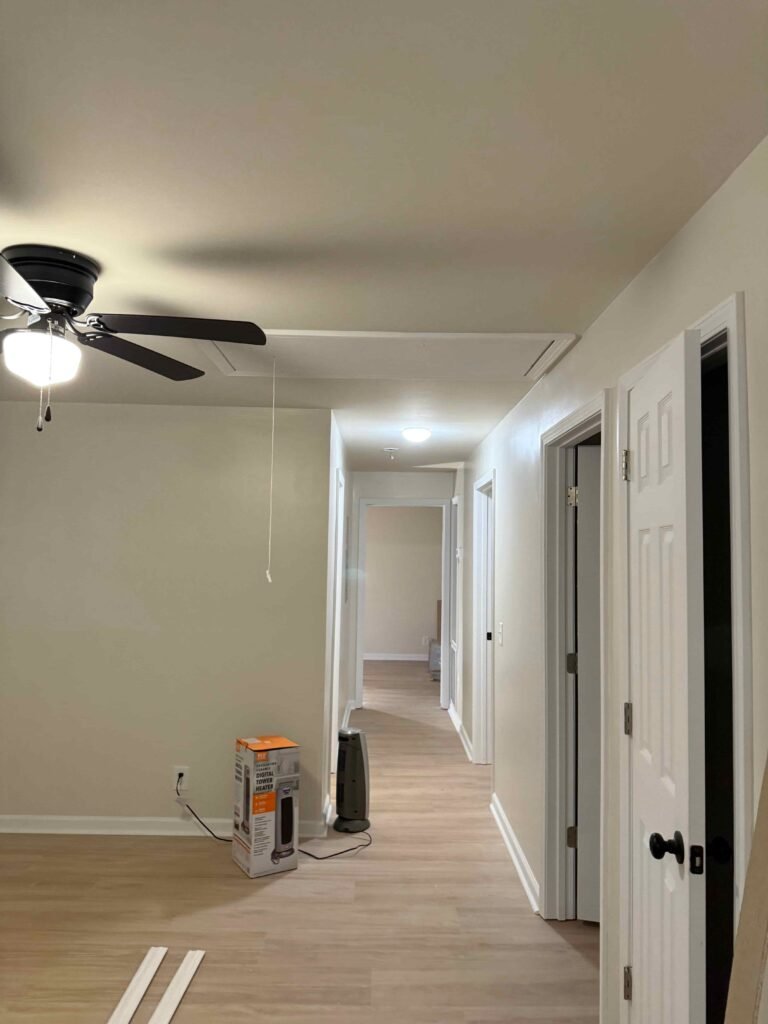
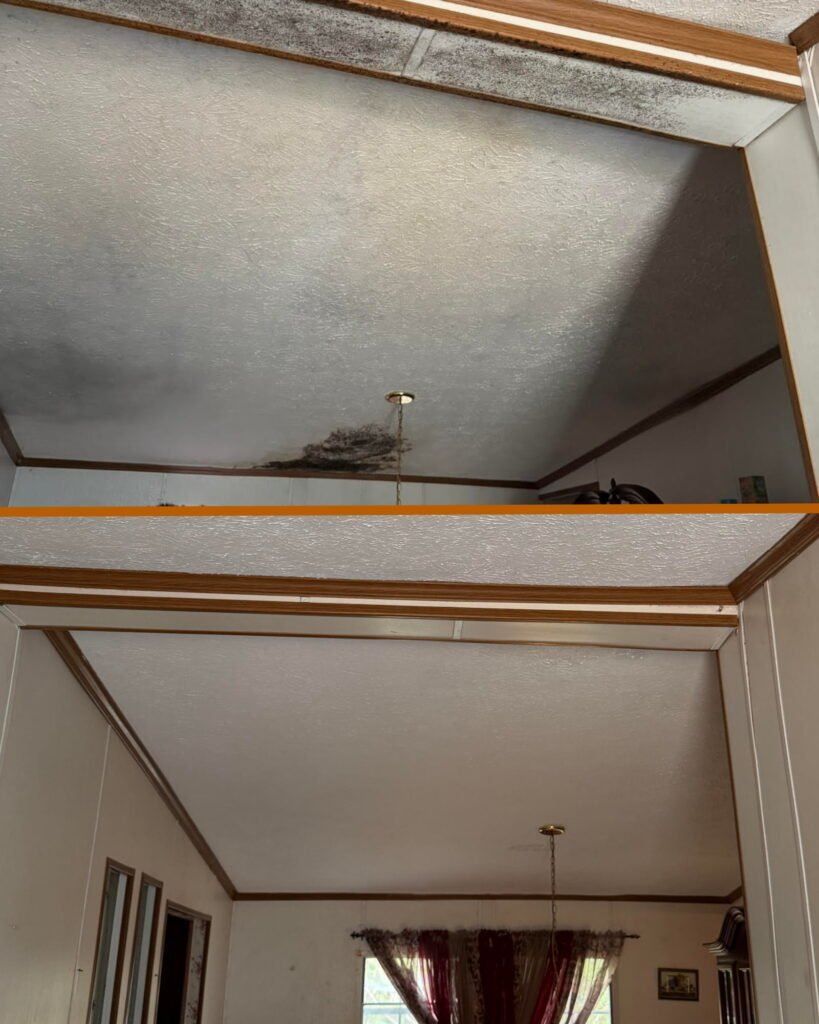
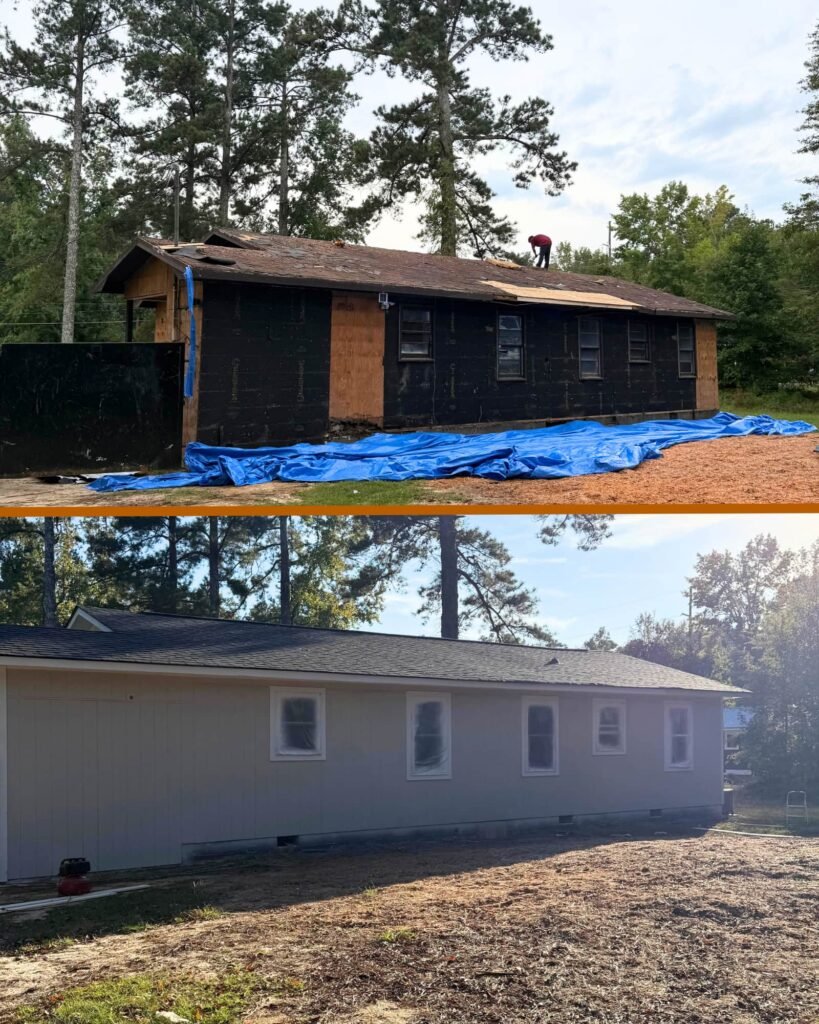
Why Middle GA Homeowners Choose Alcord Construction for Interior & Exterior Painting?
Alcord Construction delivers meticulous, professional painting that transforms how your home looks and how well surfaces stand up to time. We prepare surfaces properly to ensure adhesion, use quality paint suited to each application, apply consistent coats without drips or thin spots, and protect your property throughout the process—delivering durability with a smooth, professional appearance. With extensive experience throughout Sandersville, Dublin, Milledgeville, Macon, Warner Robins, Perry, and surrounding Middle Georgia areas, we bring careful attention and reliable service to every painting project.
Our Services
Our Service Areas
- Sandersville
- Dublin
- Milledgeville
- Macon
- Warner Robins
- Perry
- Surrounding Middle Georgia communities
Learn More
Interior & Exterior Painting in Middle Georgia: Protection That Looks Beautiful
Paint does more than add color to your home. It protects surfaces from moisture, sun damage, and daily wear. It hides imperfections and creates visual harmony. It signals to everyone who sees your home whether you maintain it carefully or let it deteriorate. When paint fails—when it peels, cracks, fades, or simply looks tired—it compromises both protection and appearance. Professional painting restores both functions, giving you surfaces that look sharp and defend your home against the elements.
Why Professional Painting Matters More Than People Think
Most homeowners underestimate what separates quality painting from mediocre work. They see paint as a simple coating anyone can apply. Reality proves far more complex. Surface preparation determines longevity more than paint quality. Application technique affects appearance dramatically. Understanding which products suit which applications prevents premature failure. Weather conditions during exterior painting influence how well paint cures and adheres.
Professional painters know these factors and adjust their approach accordingly. They recognize when surfaces need repair before painting. They understand how temperature and humidity affect drying. They apply consistent coats that provide uniform protection and appearance. They protect your property from paint splatter and damage.
DIY painting or cheap contractor work produces results that look acceptable initially but fail within a few years. Paint peels where surfaces weren’t properly prepared. Coverage looks uneven in certain light. Trim shows brush marks and drips. Exterior paint fades prematurely because wrong products were used. These failures require repainting sooner, ultimately costing more than doing it right initially.
Quality painting also transforms spaces dramatically. Fresh paint makes rooms feel larger, brighter, and cleaner. Updated colors modernize dated interiors. Well-executed exterior painting completely changes curb appeal and protects your siding, trim, and structural components from weather damage that leads to expensive repairs.
Recognizing When Your Home Needs Painting
Paint deterioration follows predictable patterns. Catching problems early allows you to address them before they cause underlying damage.
Exterior Paint Failure
Exterior paint endures constant assault from sun, rain, temperature fluctuations, and humidity. These forces gradually break down even quality paint. Visible signs indicate when protection is failing.
Chalking—a powdery residue on the surface—shows paint breaking down from UV exposure. Peeling or flaking indicates adhesion failure, often caused by moisture getting behind the paint film. Cracking creates pathways for water to penetrate and damage underlying wood or siding. Fading occurs as pigments degrade from sun exposure. Mildew growth appears as dark spots, particularly in shaded areas with poor airflow.
These symptoms don’t improve on their own. Deterioration accelerates once it begins. Paint that’s merely faded can be repainted over properly prepared surfaces. Paint that’s peeling or cracking indicates more serious problems requiring thorough preparation and possibly repair before new paint can be applied successfully.
Interior Paint Issues
Interior paint faces different challenges than exterior coatings. It doesn’t endure weather but takes abuse from furniture contact, cleaning, cooking grease, humidity, and daily wear.
Scuff marks and stains that won’t clean off indicate the paint surface is damaged beyond repair. Peeling typically occurs in moisture-prone areas like bathrooms and kitchens where humidity degrades adhesion. Cracking happens when paint becomes brittle with age or when underlying surfaces move. Visible brush marks or roller stipple suggest either poor application technique or inadequate paint quality.
Outdated colors also drive interior repainting decisions. Trends evolve. Colors that seemed current years ago now make spaces feel dated. Neutral, contemporary colors update homes dramatically and appeal to broader audiences if you’re considering selling.
Surface Damage Beneath Paint
Sometimes the problem isn’t the paint but what’s underneath. Wood rot, water damage, or structural movement shows through paint and indicates underlying issues requiring attention before repainting makes sense.
Soft, spongy wood needs repair or replacement—paint won’t fix structural problems. Water stains suggest active leaks requiring repair before surfaces are repainted. Cracks that reappear after patching indicate movement that needs addressing. Mildew growth on painted surfaces often signals moisture problems needing correction.
Professional painters recognize these issues and address them or recommend specialists who can. Painting over problems without fixing root causes wastes money and guarantees failure.
The Seven-to-Ten Year Rule
Most quality exterior paint jobs last 7-10 years in Middle Georgia’s climate before requiring repainting. Interior paint in high-traffic areas typically needs refreshing every 5-7 years. Low-traffic areas can go longer—bedrooms might look fine for 10-15 years.
These timeframes vary based on paint quality, surface preparation, application quality, sun exposure, and maintenance. Regularly cleaning painted surfaces extends life. Addressing minor damage promptly prevents larger problems.
If your paint is approaching these age ranges and showing wear, planning for repainting prevents problems from progressing to damage requiring more expensive repairs.
Choosing the Right Paint for Each Application
Not all paint is created equal. Different formulations suit different applications. Using appropriate products dramatically affects performance and longevity.
Exterior Paint Selection
Exterior paints must withstand UV radiation, temperature extremes, moisture, and mechanical abuse. Modern formulations offer significant improvements over older paints.
Acrylic latex paints dominate exterior applications for good reasons. They’re flexible enough to accommodate normal expansion and contraction without cracking. They resist fading better than oil-based alternatives. They allow water vapor to escape from walls, preventing moisture from getting trapped and causing damage. They clean up with water and emit fewer volatile organic compounds than oil-based paints.
However, not all acrylic paints perform equally. Quality varies by pigment concentration, resin quality, and formulation. Premium exterior paints cost more but last significantly longer and look better throughout their lifespan than economy products.
Different surfaces also benefit from specialized formulations. Paints designed for wood offer flexibility and breathability wood needs. Masonry paints contain additives that bond to concrete, brick, and stucco. Metal primers prevent rust and ensure adhesion to slick surfaces.
Sheen level affects both appearance and durability. Flat or matte finishes hide surface imperfections but show dirt more easily and are harder to clean. Satin finishes offer compromise between appearance and cleanability. Semi-gloss and gloss finishes resist moisture and cleaning but highlight surface imperfections.
Interior Paint Considerations
Interior paints don’t need weather resistance but should offer easy cleaning, good coverage, and appropriate sheen for each space.
Bathrooms and kitchens benefit from semi-gloss or satin finishes that resist moisture and clean easily. Living areas, bedrooms, and hallways typically use satin or eggshell finishes that look attractive and handle cleaning without showing every mark. Ceilings usually receive flat paint that hides imperfections and doesn’t draw attention.
Low-VOC and zero-VOC paints have become standard for interior work. These formulations emit minimal odor and harmful compounds, making spaces usable sooner and protecting indoor air quality. They perform as well as traditional paints without the chemical smell and health concerns.
Premium interior paints cover better in fewer coats, level more smoothly, and resist scuffing and staining better than economy products. The price difference is modest compared to labor costs, and better paint reduces the coats needed.
Primers and Their Critical Role
Many people underestimate primer importance, viewing it as an optional step. Professional painters understand primer provides essential functions paint alone can’t accomplish.
Primers seal porous surfaces and create uniform absorbency so topcoats apply evenly. They block stains and prevent them from bleeding through new paint. They improve adhesion to difficult surfaces like glossy finishes, metal, or plastic. They provide base color that helps achieve true color in fewer topcoats.
Different primers suit different situations. Stain-blocking primers prevent water stains, smoke damage, or marker from showing through new paint. Adhesion primers bond to glossy or slick surfaces. Mildew-resistant primers prevent mold growth in moisture-prone areas. Tinted primers provide better base color for deep or bright topcoats.
Skipping primer or using cheap primer compromises the entire paint job. Professional painters use appropriate primers for each situation.
Surface Preparation—The Foundation of Quality Painting
The difference between painting that lasts and painting that fails quickly lies primarily in preparation. Paint adheres only as well as surfaces allow. Application over poorly prepared surfaces produces poor results regardless of paint quality.
Exterior Surface Preparation
Exterior painting preparation determines longevity more than any other factor. This work is tedious, unglamorous, and absolutely essential.
Power washing removes dirt, mildew, chalk, and loose paint. This step is critical—paint won’t adhere properly over contaminated surfaces. However, excessive pressure damages wood siding and forces water behind surfaces where it causes problems. Professional washing uses appropriate pressure for each material.
Scraping removes loose, peeling paint. Surfaces must be scraped to solid, well-adhered paint before new coats are applied. Feathering edges where old paint meets bare wood prevents visible ridges under new paint.
Sanding smooths rough areas, feathers scrape edges, and prepares surfaces for good adhesion. Bare wood requires sanding to open pores for primer penetration.
Repairs address underlying problems. Rotted wood gets replaced. Gaps and cracks are caulked. Loose siding is secured. Damaged trim is repaired or replaced. Attempting to paint over these problems wastes money—failure is guaranteed.
Priming bare surfaces is non-negotiable. Bare wood, metal, or other materials need appropriate primers before topcoats. Priming seals surfaces, prevents stains, and ensures adhesion and uniform appearance.
Interior Surface Preparation
Interior preparation is less intensive than exterior work but still critical for quality results.
Cleaning removes dirt, grease, and contaminants that prevent adhesion. Kitchen walls particularly need degreasing before painting. Bathrooms require mildew treatment before preparation.
Patching and repair address holes, cracks, and damaged areas. Nail holes get filled. Cracks are opened, filled, and sanded smooth. Damaged drywall is repaired. These repairs must be sanded completely smooth—they’ll show through paint otherwise.
Sanding smooths patched areas, scuffs glossy surfaces to improve adhesion, and removes any raised imperfections. This step is often rushed or skipped, resulting in visible defects under new paint.
Priming is essential in specific situations. Patched areas need spot priming to seal them and prevent differential absorption. Stained areas require stain-blocking primer. New drywall needs full priming. Dark colors being covered need tinted primer for better topcoat coverage.
Protecting surfaces requires careful masking and covering. Professional painters protect floors, furniture, fixtures, and surfaces not being painted. They use quality materials that actually prevent paint splatter rather than just moving mess around.
The Cost of Skipping Preparation
Inadequate preparation shows up quickly. Paint peels where surfaces weren’t cleaned or primed properly. Brush marks and imperfections remain visible where sanding was skipped. Stains bleed through where proper primers weren’t used. Coverage looks uneven where repairs weren’t smoothed completely.
These failures require repainting sooner, often within 2-3 years rather than 7-10 years quality work provides. The money saved skipping preparation gets spent multiple times over addressing premature failures.
Professional painters understand that preparation consumes 60-70% of project time and labor. Rushing this phase to apply paint faster produces inferior results. We refuse to compromise preparation because we know it determines whether you’ll be satisfied years from now, not just when we finish.
Application Techniques That Determine Quality
How paint is applied affects both appearance and performance. Professional technique produces superior results to amateur application even with identical materials.
Exterior Application Considerations
Exterior painting requires attention to weather conditions and application methods that ensure proper adhesion and curing.
Temperature and humidity dramatically affect exterior paint performance. Most paints require temperatures between 50-90°F during application and curing. High humidity slows drying and can prevent proper curing. Direct sun causes paint to dry too quickly, preventing proper leveling and adhesion. Rain within 24-48 hours of application can ruin fresh paint.
Professional painters monitor weather forecasts and adjust schedules accordingly. We won’t paint when conditions prevent proper curing, even if it delays completion. Paint applied in poor conditions fails prematurely regardless of how good it looks initially.
Application methods depend on surface type. Brushing provides best penetration and adhesion on wood siding and trim. Spraying achieves smooth finishes on large flat surfaces but requires extensive masking and protection. Rolling works well for textured surfaces. Often the best results combine methods—spray application followed by back-brushing to work paint into surfaces.
Coverage thickness affects durability. Too-thin coats provide inadequate protection. Excessively thick coats run, sag, and cure improperly. Professional painters apply uniform coats at proper thickness, usually requiring two coats for optimal coverage and protection.
Interior Application Excellence
Interior painting shows flaws more readily than exterior work. Smooth walls and controlled lighting reveal every imperfection.
Cutting in—painting edges, corners, and trim lines by hand—requires steady hands and experience. Clean lines separate professional work from amateur attempts. Quality painters can cut straight lines without tape, though they often mask for efficiency on large projects.
Rolling technique affects texture and coverage. Proper roller pressure and technique produces uniform texture without heavy stipple or thin spots. Random rolling patterns prevent visible roller marks. Adequate paint on the roller ensures full coverage without running or dripping.
Multiple thin coats look better than single thick coats. Thin coats level smoother, dry faster, and produce more uniform appearance. Professional painters apply the number of coats required for proper coverage rather than trying to hide everything in one coat.
Consistent lighting during application helps painters see coverage and catch imperfections. Working in poor lighting guarantees missed spots and uneven coverage that become obvious later in good light.
Avoiding Common Application Mistakes
Amateur painters make predictable errors. Painting in wrong weather conditions causes adhesion and curing problems. Applying paint too thick creates runs and sags. Insufficient coats leave thin coverage that fails quickly. Poor brush or roller technique leaves visible marks. Inadequate protection results in paint on surfaces where it doesn’t belong.
Professional painters avoid these mistakes through experience, proper tools, and taking necessary time. Rushing application to finish quickly produces inferior results.
Regional Considerations for Middle Georgia Painting
Local climate and building characteristics create specific challenges and opportunities for painting projects in Middle Georgia.
Climate Challenges
Middle Georgia’s hot, humid summers create challenging painting conditions. High temperatures cause paint to dry too quickly, preventing proper leveling. High humidity slows drying and can prevent proper curing. Afternoon thunderstorms threaten exterior work.
These conditions require strategic scheduling. Exterior painting works best in spring and fall when temperatures are moderate and humidity is lower. Summer work requires early morning starts when temperatures are cooler and humidity hasn’t peaked. We monitor weather forecasts carefully and won’t paint when conditions prevent proper results.
Winter painting is viable for interior work and sometimes exterior when mild conditions allow. However, overnight temperatures below 50°F can prevent proper curing even if daytime temperatures are adequate.
Sun Exposure and Color Fade
Intense sun exposure causes faster paint degradation. South and west-facing surfaces receive maximum UV exposure and experience the most fading and chalking. These surfaces need more frequent repainting than shaded areas.
Color choice affects fade resistance. Darker colors absorb more heat and fade faster than lighter colors. Deep reds, blues, and blacks show fading most visibly. Lighter, more neutral colors maintain appearance longer under intense sun.
Quality paint with UV inhibitors resists fading significantly better than economy paint. The price premium for quality paint is modest compared to the extended time before repainting is needed.
Humidity and Mildew
High humidity creates ideal conditions for mildew growth, particularly in shaded areas with poor airflow. North-facing surfaces, areas under eaves, and spaces shaded by trees or adjacent structures are most prone to mildew.
Mildew appears as dark spots or streaks on painted surfaces. It’s not just cosmetic—mildew actually feeds on paint and causes deterioration. Surfaces with mildew growth need treatment before painting or mildew returns quickly.
Mildew-resistant primers and paints contain additives that prevent growth. Using these products in prone areas extends time between repainting and keeps surfaces looking clean.
Wood Siding and Moisture
Many Middle Georgia homes feature wood siding requiring specific attention. Moisture is wood’s enemy. Paint protects wood by sealing it against moisture penetration. When paint fails, moisture enters wood and causes rot, warping, and structural damage.
Wood siding needs painting on a regular schedule before protective failure occurs. Waiting until wood shows damage means repairs become necessary before painting. This costs significantly more than maintaining paint protection before damage occurs.
Quality acrylic latex paints allow wood to breathe—water vapor can escape from inside walls without blistering paint. This characteristic is critical for wood siding performance. Oil-based paints trap moisture and cause problems with wood siding.
Historic Home Considerations
Middle Georgia contains many historic homes requiring special attention. Original details deserve preservation. Some historic properties have restrictions on paint colors and materials. Lead paint may be present in homes built before 1978, requiring specific precautions during surface preparation.
Professional painters experienced with historic properties understand these considerations and work accordingly. Preserving architectural character while updating protection requires both knowledge and care.
Interior Color Selection Guidance
Color choices dramatically affect how spaces feel and function. Understanding color principles helps you make decisions you’ll be happy with long-term.
The Psychology of Interior Color
Colors affect mood and perception in measurable ways. Warm colors—reds, oranges, yellows—create energy and make spaces feel more intimate but potentially smaller. Cool colors—blues, greens, purples—promote calm and make spaces feel larger and more open. Neutral colors—grays, beiges, whites—provide versatile backdrops that work with various furnishing styles.
Room function should influence color selection. Bedrooms benefit from calming colors that promote rest. Active spaces like kitchens and dining rooms can handle more energetic colors. Home offices work best with colors that enhance focus without causing fatigue.
Lighting dramatically affects color appearance. Colors look different in natural daylight versus artificial lighting. North-facing rooms receive cooler light that can make colors appear more muted. South-facing rooms get warmer light that intensifies colors. Always test paint samples in actual room conditions before committing.
Trending Toward Timeless
Paint trends change regularly. What’s fashionable today may look dated in five years. While following trends creates current, updated looks, choosing more timeless colors provides longer satisfaction and broader appeal if you sell.
Neutral colors with subtle undertones remain popular because they work with changing furnishings and appeal to diverse tastes. Soft grays, warm beiges, and creamy whites provide versatile backgrounds that won’t look dated quickly.
Accent walls allow you to incorporate current colors without committing entire rooms to trendy shades that may not age well. You can update accent walls more easily than repainting entire spaces.
Creating Flow Between Spaces
Open floor plans require careful color coordination. Colors should flow naturally from one space to another rather than creating jarring transitions. This doesn’t mean everything must be the same color, but colors should coordinate and complement each other.
One approach uses variations of a single color family throughout, adjusting depth in different spaces. Another uses different colors with similar undertones so they harmonize despite being distinct. Maintaining consistent trim color throughout creates unity even when wall colors vary.
The Undertone Challenge
Paint colors contain undertones that affect how they appear. A white might have yellow, blue, pink, or gray undertones. A gray might lean warm with beige undertones or cool with blue undertones. These undertones become obvious once paint is on walls, particularly in relation to adjacent colors and in different lighting.
Testing large samples on actual walls and observing them at different times of day helps identify undertones and ensure colors work as intended. Professional painters can often help identify undertones and suggest options that coordinate properly.
The Alcord Construction Painting Approach
Different contractors approach painting projects differently. Our methods prioritize thoroughness, protection of your property, and results that meet professional standards.
Comprehensive Surface Preparation
We understand that preparation determines results. Our preparation includes thorough cleaning to remove contaminants, scraping and sanding to create proper surfaces, repairing damage before painting over it, priming appropriately for each situation, and refusing to skip steps even when doing so would be faster.
Preparation takes time. It’s not the part customers see, but it’s what makes paint jobs last. We allocate adequate time for proper preparation regardless of schedule pressure.
Property Protection Standards
Painting creates mess, but that mess shouldn’t spread through your home. We protect your property by covering floors and furniture with quality materials, masking surfaces not being painted, containing dust from sanding, cleaning up daily rather than leaving mess until project end, and treating your home with the respect we’d want for our own.
Sloppy contractors cause unnecessary damage and leave customers dealing with paint splatter and mess. We consider protection and cleanup essential parts of the service we provide.
Quality Materials Throughout
We use premium paints and materials because we know they perform better and last longer. This means appropriate primers for each application, quality exterior and interior paints suited to each surface, proper caulks and sealants that remain flexible, and professional-grade brushes and rollers that apply paint smoothly.
Economy materials save small amounts initially but cost more long-term through premature failure and the need for earlier repainting. We won’t compromise quality to offer marginally lower prices.
Professional Application Technique
Our painters have the experience to apply paint properly. This includes monitoring weather conditions and adjusting schedules accordingly for exterior work, applying proper coat thickness for coverage without runs or sags, cutting clean lines around trim and edges, maintaining consistent texture without visible marks, and ensuring uniform coverage without thin spots or holidays.
These techniques come from experience. They can’t be rushed without compromising results.
Clear Communication Throughout
You shouldn’t wonder what’s happening with your project. We maintain clear communication by explaining what work will happen each day, notifying you of any issues discovered, respecting your schedule and property access, and completing work on agreed timelines.
Painting projects involve disruption. Clear communication helps minimize inconvenience and ensures you know what to expect.
Middle Georgia Commitment
Throughout Sandersville, Dublin, Milledgeville, Macon, Warner Robins, Perry, and surrounding Middle Georgia communities, we’ve earned reputation through consistent quality and honest service. Our local presence means we understand regional homes, climate challenges, and what materials perform best in Middle Georgia conditions. Our business depends on your satisfaction and referrals from customers who trust our work.
Understanding Painting Investment Returns
Painting represents one of the most cost-effective improvements you can make. Understanding the returns helps you appreciate the value.
Exterior Painting ROI
Real estate professionals consistently identify exterior painting among the highest-return improvements. Fresh exterior paint typically returns 50-70% of costs at resale while dramatically improving curb appeal and protecting your home’s structure.
These statistics underestimate true value because they don’t capture how paint affects buyers’ first impressions. Homes with fresh, quality paint attract more interest, sell faster, and receive fewer objections from buyers concerned about deferred maintenance.
Exterior paint also provides protection value. Maintaining paint prevents moisture damage to siding, trim, and structural components. The cost of painting preventively is far less than repairing rot and damage from failed paint protection.
Interior Painting Returns
Interior painting delivers immediate transformation at modest cost. Fresh paint makes spaces feel clean, updated, and well-maintained. Updated colors modernize dated homes.
For homeowners planning to sell, neutral paint in good condition prevents buyer objections and helps buyers envision their furnishings in spaces. Homes with fresh, neutral paint typically sell faster than homes with dated colors or damaged paint.
For homeowners staying in their homes, interior painting improves daily quality of life. Clean, attractive walls make your home more pleasant and welcoming.
Painting Versus Other Improvements
Compared to major renovations, painting delivers dramatic improvement at much lower cost. A complete interior paint job costs a fraction of kitchen or bathroom remodeling while still significantly improving your home’s appearance.
Exterior painting similarly provides dramatic curb appeal improvement at far less cost than siding replacement, landscaping overhauls, or other major exterior work.
For homeowners with limited budgets who want maximum improvement, painting often delivers the best value.
Long-Term Cost Considerations
Quality painting lasts 7-10 years for exteriors and 5-10+ years for interiors depending on traffic and conditions. This longevity makes quality work economical over time.
Cheap painting that fails in 2-3 years costs more over any reasonable timeframe than quality work lasting 8-10 years. Factor in the hassle of repainting more frequently, and quality work provides far better value.
Maintaining paint protection also prevents more expensive repairs. Exterior paint prevents wood rot, siding damage, and structural problems that cost far more to fix than maintaining paint. Interior paint protects walls and makes cleaning easier, reducing damage requiring repair.
Refresh Your Middle Georgia Home With Professional Painting
Paint protects your home’s surfaces while creating the appearance you want. If you’re dealing with peeling exterior paint, faded colors, dated interiors, or surfaces showing years of wear, professional painting delivers immediate transformation and renewed protection.
Alcord Construction brings careful attention to every painting project. We handle all phases including thorough surface preparation, appropriate priming, quality paint application, and complete cleanup. You receive honest assessment, skilled workmanship, and finishes that look sharp and last.
Throughout Sandersville, Dublin, Milledgeville, Macon, Warner Robins, Perry, and surrounding Middle Georgia communities, we deliver painting services that homeowners depend on.