Professional Home Building in Middle Georgia
Your home build shouldn’t stall because your framing, roofing, drywall, or finishing trades aren’t coordinated or available. With professional home building support from Alcord Construction, you can keep your project moving with skilled trades handling roofing, interior finishing, painting, flooring, and carpentry—without the delays and quality issues from unreliable subcontractors. Our team specializes in the structural and finishing trades that turn framed houses into completed homes, working alongside your primary contractor, electricians, plumbers, and HVAC specialists to deliver quality craftsmanship on schedule.
What We Handle in Home Construction
- Roofing installation, Framing, and weather protection systems keeping homes dry and sealed
- Drywall installation and finishing creating smooth, ready-to-paint interior surfaces
- Interior and exterior painting providing professional finishes throughout
- Flooring installation in hardwood, tile, luxury vinyl, and other materials
- Trim carpentry, cabinetry, and finish work completing interior spaces
- Decks, porches, and exterior structures extending living areas
Important Note: We do not provide electrical, plumbing, HVAC, or concrete/foundation services. We work alongside licensed specialists in these trades as part of comprehensive home building projects.
Why Choose Alcord Construction for Home Building Trades
Alcord Construction delivers reliable, quality work in the trades that complete homes—from weatherproof roofing to flawless interior finishes. We coordinate with your builder and other trades to maintain project schedules, execute work to professional standards, communicate clearly about progress and any issues, and deliver consistent quality across all finishing phases—ensuring your home build proceeds smoothly with craftsmanship you can trust. With extensive experience throughout Sandersville, Dublin, Milledgeville, Macon, Warner Robins, Perry, and surrounding Middle Georgia areas, we bring dependability and skill to residential construction projects.
Our Services
Our Service Areas
- Sandersville
- Dublin
- Milledgeville
- Macon
- Warner Robins
- Perry
- Surrounding Middle Georgia communities
Learn More
Home Building Support in Middle Georgia: Quality Trades When You Need Them
Building a new home requires coordinating numerous specialized trades, each with critical timing and quality requirements. While primary contractors handle overall project management and some trades handle specialized systems—electricians for power, plumbers for water and waste, HVAC technicians for climate control, and concrete specialists for foundations—other equally important trades provide the structural protection and finishing work that actually create livable homes. These trades—roofing, drywall, painting, flooring, and finish carpentry—transform framed structures into comfortable, beautiful residences. Quality work in these areas protects your investment, ensures your home looks professional, and provides the durability and appearance you expect. Poor work creates leaks, cracks, uneven surfaces, and finishes that fail prematurely.
Understanding Our Role in Home Construction
Alcord Construction specializes in specific construction trades rather than attempting to handle all aspects of home building. This focused approach allows us to excel in our specialties while working collaboratively with other professionals.
What We Provide
Our expertise centers on trades that create weather protection and interior finishes. We handle roofing installation—shingles, underlayment, flashing, and all components protecting homes from weather. We install drywall throughout interiors, finishing joints and surfaces to smooth, paint-ready condition. We provide professional painting services for both interiors and exteriors. We install various flooring types including hardwood, luxury vinyl, tile, and other materials. We execute trim carpentry, install cabinetry, and complete finish work that defines interior quality.
We also build exterior structures—decks, porches, and similar projects that extend living space outdoors. These fall within our carpentry and structural expertise.
What We Don’t Provide
We deliberately don’t handle certain specialized trades requiring specific licensing, extensive equipment investments, or expertise outside our core competencies. We don’t provide electrical work—this requires licensed electricians with specific expertise in power systems, code compliance, and safety. We don’t handle plumbing—licensed plumbers manage water supply, drainage systems, gas lines, and fixtures. We don’t install HVAC systems—this specialized work requires mechanical contractors with appropriate certifications. We don’t pour foundations or perform structural concrete work—this demands specialized equipment, materials expertise, and specific experience.
This limitation isn’t weakness—it’s strategic focus. Rather than claiming to do everything moderately well, we excel in our specific trades and collaborate effectively with specialists in other areas.
How We Work With Other Trades
Home building requires seamless coordination between trades. We work as part of construction teams rather than attempting to manage entire projects alone. This means coordinating scheduling with primary contractors to ensure work proceeds in proper sequence, communicating with electricians, plumbers, and HVAC contractors about rough-in requirements, adjusting our work to accommodate other trades’ needs, maintaining quality standards consistent with overall project expectations, and contributing to project success through reliable, professional execution of our portions.
Successful collaboration requires respecting other trades’ expertise, communicating clearly about schedules and needs, and maintaining flexibility when inevitable changes occur.
The Home Building Process and Our Involvement
Understanding where our work fits in overall construction helps explain timing and coordination requirements.
Foundation and Framing Phase
Home construction begins with foundation work—excavation, footings, foundation walls or slabs. This work precedes our involvement and requires concrete specialists with appropriate equipment and expertise.
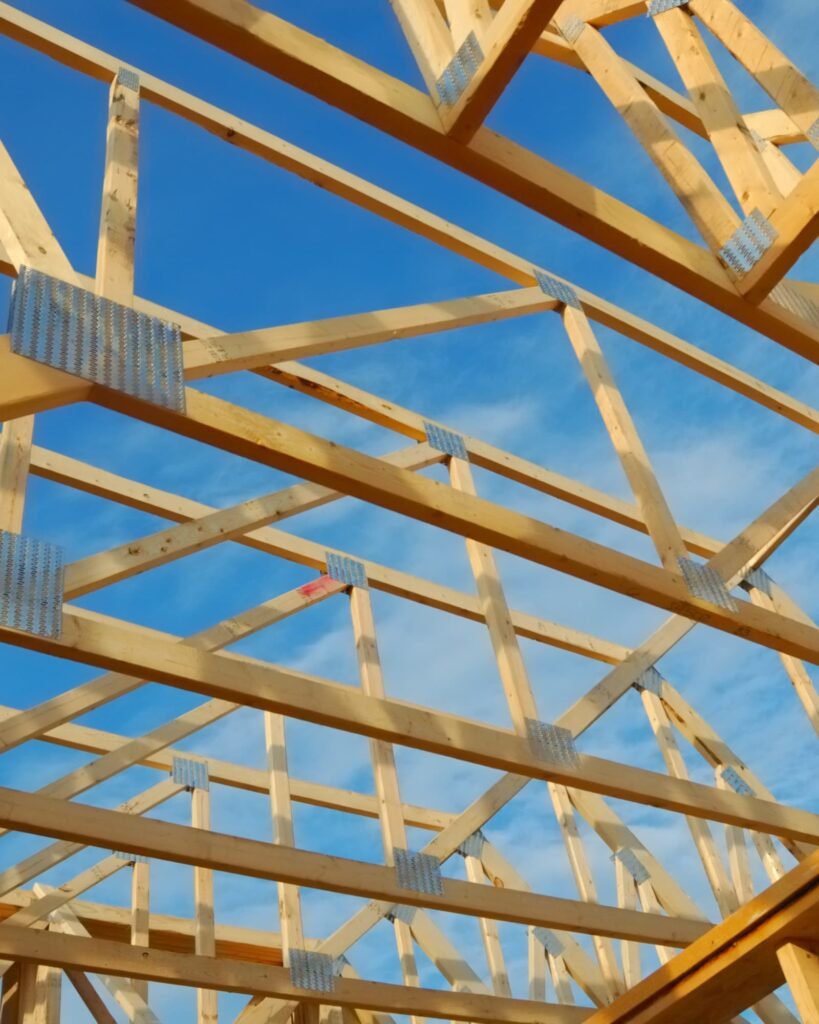
After foundations cure, framing begins. Carpenters erect floor systems, walls, and roof structures. While we have carpentry expertise for finish work, structural framing typically falls to framing specialists or general contractors with framing crews.
During this phase, we’re not actively working but might be consulted about specific needs for later phases—roof preparation requirements, unusual finish details, or coordination considerations.
Roofing Installation
Once roof framing is complete, our involvement typically begins with roofing installation. This critical phase protects buildings from weather, allowing interior work to proceed without moisture concerns.
Roofing installation includes installing underlayment over roof decking, installing drip edge and starter strips, laying shingles in proper patterns with correct exposure, installing all flashing—valleys, chimneys, vents, wall intersections, ensuring proper ventilation through ridge vents or other systems, and completing all weatherproofing details.
Proper roofing installation is critical. Poor work leads to leaks causing extensive damage to interiors, insulation, and structure. We understand roofing isn’t just applying shingles—it’s creating complete weather protection systems.
Rough-In Phase
After roofing makes buildings weather-tight, rough-in work proceeds. Electricians run wiring. Plumbers install supply and drain lines. HVAC contractors install ductwork and equipment. We’re not directly involved in this phase but coordinate scheduling—our work resumes after rough-ins are complete and inspected.
Understanding rough-in requirements helps us plan. For instance, knowing HVAC duct locations affects drywall installation. Communication with mechanical trades prevents conflicts.
Insulation
After rough-ins pass inspection, insulation is installed. This might be handled by specialized insulation contractors or general contractors. While we don’t install insulation, we verify it’s complete before proceeding with drywall—installing drywall over incomplete insulation creates problems.
Drywall Installation
Once insulation is complete, we return for drywall installation. This phase transforms rough interiors into recognizable rooms.
Drywall installation includes hanging sheets on walls and ceilings, finishing all joints and fasteners, sanding smooth, priming surfaces for paint, and coordinating with other trades for access—electricians and plumbers returning for fixture installation, HVAC contractors completing register installation.
Quality drywall work creates foundations for beautiful interiors. Poor work—visible seams, uneven surfaces, improper finishing—remains visible through paint and frustrates homeowners indefinitely.
Interior Painting
After drywall is complete, interior painting proceeds. This includes priming all surfaces, caulking joints between trim and walls, applying finish coats, and often coordinating with trim installation—sometimes trim goes before paint, sometimes after, depending on specific project approaches.
Paint quality dramatically affects interior appearance. Premium paint applied properly creates beautiful, durable finishes. Cheap paint or poor application looks bad initially and fails quickly.
Flooring Installation
Flooring timing varies by material type and project approach. Some flooring installs before trim and cabinets, some after. We coordinate with builders and other trades to execute flooring installation at appropriate times.
Flooring installation requires proper subfloor preparation, correct material installation for specific products, proper transitions between rooms and materials, and careful work protecting finished flooring from damage during remaining construction.
Trim and Cabinet Installation
Finish carpentry completes interiors. This includes installing baseboard, door and window casing, crown molding, and other trim, hanging interior doors, installing cabinets in kitchens, bathrooms, laundry rooms, and other areas, and building or installing other finish carpentry elements.
These elements define interior quality. Precise, careful installation creates beautiful homes. Sloppy work ruins otherwise quality construction.
Exterior Painting and Siding Finish
Exterior painting typically occurs after exterior trim is complete but might proceed in stages as different areas are ready. We coordinate with siding contractors and other trades to execute painting when appropriate.
Exterior paint protects siding and trim while creating curb appeal. Quality exterior painting uses appropriate products, includes proper surface preparation, and applies adequate coats for lasting protection and appearance.
Deck and Porch Construction
Exterior structures like decks and porches might be built during various project phases depending on overall scheduling. We execute these projects coordinating with other work to avoid conflicts.
These structures must be built properly with adequate footings, proper structural support, and quality materials to withstand weather exposure and provide years of service.
Final Details and Punch List
Near project completion, final details are addressed. Touch-up painting, hardware installation, cleaning, and punch list items from inspections or builder walkthroughs. We remain involved through final completion, ensuring our work meets quality standards.
Quality Standards in Residential Construction
New home construction should meet high quality standards. Understanding expectations helps ensure appropriate work.
Roofing Quality Benchmarks
Quality roofing installations show consistent shingle alignment and exposure, proper nailing without overdriven or underdriven fasteners, complete flashing at all penetrations and intersections, straight ridge lines and valleys, proper ventilation preventing moisture accumulation, and complete weather protection without potential leak points.
Roofing should pass final inspections without issues and perform reliably for its expected lifespan—typically 20-30 years for standard architectural shingles with proper installation.
Drywall Finish Levels
Drywall finishing has defined industry levels. Level 4 finish is standard for most residential applications—all joints and fasteners are taped, coated, and sanded smooth. This provides appropriate surface for flat or low-sheen paint and most textures.
Level 5 finish—adding skim coat over entire surfaces—is specified for smooth walls with flat paint or critical lighting conditions where every imperfection shows. This higher standard costs more but delivers superior appearance when required.
We execute appropriate finish levels for specified applications, ensuring surfaces meet appearance expectations.
Paint Coverage and Finish
Quality paint jobs show uniform color without streaking or thin spots, smooth finish without brush marks or excessive roller texture, clean lines at transitions and edges, proper coverage hiding previous colors or primers, and durable finish resisting wear and cleaning.
Paint should look fresh and uniform under various lighting conditions, not show application defects or inadequate coverage.
Flooring Installation Standards
Quality flooring installations are level without high spots or depressions, have tight joints without gaps or lippage between tiles, transition smoothly between rooms and materials, are installed per manufacturer specifications ensuring warranty validity, and are protected from damage during remaining construction.
Flooring represents significant investment. Installation quality determines both appearance and longevity.
Trim and Finish Carpentry
Quality finish carpentry shows tight joints without gaps, consistent reveals and proportions, properly fitted pieces without forcing, secure installation without loose elements, and careful work respecting the material—no hammer marks, torn grain, or damage.
Finish work is what homeowners see and touch daily. Quality here significantly impacts satisfaction with completed homes.
Challenges in New Home Construction
Building new homes presents challenges requiring problem-solving and flexibility.
Weather Impacts on Scheduling
Construction schedules are always affected by weather. Rain delays roofing and exterior painting. Extreme heat or cold affects material performance. High winds prevent safe roofing work. Humidity slows paint drying.
Successful construction requires monitoring weather forecasts, adjusting schedules as necessary, protecting materials and work in progress, and maintaining realistic expectations about weather-related delays.
Fighting weather by working in poor conditions creates inferior results—roofing installed in rain fails prematurely, paint applied in wrong temperatures doesn’t cure properly, materials damaged by weather must be replaced.
Coordination Between Multiple Trades
Construction requires numerous trades working in sequence. Delays in one trade affect all downstream work. Changes by one trade might impact others.
Successful coordination requires clear communication between all parties, flexibility to adjust when changes occur, mutual respect between trades, and commitment to overall project success rather than just individual scope.
Poor coordination creates conflicts, delays, and frustration. Quality builders facilitate coordination through clear communication and realistic scheduling.
Material Availability and Delays
Material supply chains sometimes experience disruptions. Cabinets might arrive later than expected. Specific flooring selections might be backordered. Supply issues affect scheduling.
We maintain communication with suppliers, anticipate potential delays where possible, recommend alternatives when primary selections face availability problems, and adjust our scheduling to accommodate material realities.
Discovering Framing Issues
Sometimes drywall installation reveals framing problems—walls not straight, corners not square, or structural issues requiring correction. Addressing these before proceeding ensures quality results but causes delays.
We document problems, communicate with builders, and recommend appropriate corrections. Installing drywall over known problems creates issues we’ll be blamed for later even though they stem from earlier work.
Balancing Speed With Quality
Construction faces constant pressure to proceed quickly. However, quality work requires appropriate time. Rushing creates mistakes requiring expensive corrections.
We work efficiently but won’t sacrifice quality for speed. Taking necessary time for proper execution ultimately serves projects better than rushing work that fails inspections or doesn’t meet standards.
Working With Builders and Homeowners
We work with various clients in home construction—production builders, custom home builders, and sometimes homeowners acting as their own general contractors.
Production Home Builders
Production builders construct multiple homes simultaneously using standardized plans and materials. Working with production builders requires understanding their specifications and standards, maintaining consistent quality across multiple houses, coordinating with their scheduling demands, working within their budget parameters, and delivering reliable service meeting their volume needs.
Production building emphasizes efficiency and consistency. Builders depend on trades that show up when scheduled, execute work professionally, and don’t require extensive oversight.
Custom Home Builders
Custom builders create one-of-a-kind homes with unique features. Custom work requires more flexibility than production building, attention to specific design details, coordination on non-standard elements, and sometimes problem-solving for unique situations.
Custom builders often have higher quality expectations but also understand that custom work sometimes requires additional time or accommodation.
Owner-Builders
Some homeowners act as their own general contractors, hiring trades directly. This requires more direct communication than working through builders, clear documentation of expectations and agreements, coordination with other trades without builder intermediary, and sometimes education about construction processes and realistic expectations.
Owner-builder projects can be very successful with homeowners who research thoroughly, communicate clearly, and maintain realistic expectations about timelines and costs.
Our Approach to Quality and Communication
Different contractors approach their work differently. Our methods emphasize quality execution and clear communication.
Professional Standards Throughout
We maintain professional standards including showing up when scheduled, executing work to industry best practices, using quality materials appropriately, cleaning up daily, and treating every project—regardless of size—with respect and attention.
Professional behavior means being reliable, communicating clearly, and delivering quality work consistently.
Clear Communication With All Parties
Construction requires constant communication. We maintain contact with builders or homeowners regarding schedule and progress, other trades about coordination needs, suppliers about material delivery and specifications, and inspectors regarding requirements and inspections.
Poor communication causes conflicts, delays, and mistakes. Clear communication prevents most problems before they occur.
Attention to Details That Matter
Quality construction shows in details. We focus on executing work properly the first time, paying attention to finish quality, addressing problems promptly when they arise, and not cutting corners that compromise results.
Details separate quality work from mediocre construction. We take pride in details knowing they determine long-term satisfaction.
Flexibility When Needed
Construction rarely proceeds exactly as planned. Changes occur. Unexpected conditions arise. Schedules shift. We maintain flexibility working with builders to accommodate necessary changes, adjusting our work to coordinate with other trades, solving problems creatively when standard approaches don’t fit, and maintaining positive attitudes when challenges arise.
Rigidity in construction creates conflicts and delays. Reasonable flexibility helps projects succeed.
Standing Behind Our Work
We stand behind the quality of our work. If problems arise from our execution, we address them. We don’t blame others or make excuses. We fix problems and learn from them.
This accountability separates professional contractors from those who disappear when issues surface.
Regional Considerations for Middle Georgia Home Building
Local characteristics affect construction approaches and considerations.
Climate and Weather Patterns
Middle Georgia’s climate influences construction choices and timing. Hot, humid summers affect working conditions and material performance. Afternoon thunderstorms disrupt exterior work. Occasional winter cold spells affect paint and some material installations. High humidity slows drying and curing of various materials.
Understanding local climate helps us plan work appropriately and select materials proven to perform in regional conditions.
Local Building Codes
Building codes ensure minimum safety and quality standards. Local jurisdictions enforce codes through permits and inspections. Our work must meet code requirements for roofing, fire resistance in drywall installation, proper ventilation, and other applicable standards.
We understand local code requirements and build to meet them, ensuring work passes inspections without issues.
Material Performance in Local Conditions
Middle Georgia’s humid climate affects material selection. Roofing materials must resist moisture and algae growth. Paint must handle humidity without mildew problems. Flooring must accommodate moisture conditions without warping or damage.
Experience in the region helps us recommend and install materials proven to perform well locally.
Local Supplier Relationships
We maintain relationships with local suppliers providing quality materials. These relationships ensure material availability, facilitate problem resolution when issues arise, and sometimes provide cost advantages benefiting clients.
Why Specialized Trade Focus Makes Sense
Our decision to focus on specific trades rather than attempting comprehensive construction service is deliberate and strategic.
Expertise Through Specialization
Focusing on specific trades allows developing deep expertise. We invest in tools, training, and experience specific to our specialties. This produces better results than spreading resources attempting to do everything.
Master craftsmen focus. Jacks-of-all-trades rarely excel in any specific area.
Appropriate Licensing and Insurance
Different construction trades require specific licenses and insurance. Electrical work requires electrician licenses. Plumbing requires plumber licenses. HVAC work requires mechanical contractor licenses. These requirements exist for good reasons—public safety and quality assurance.
Rather than obtaining licenses in trades outside our expertise, we focus on excelling in trades where we have genuine expertise while respecting that other trades require their own specialists.
Quality Over Breadth
We’d rather be known as excellent at specific trades than mediocre at everything. Homeowners and builders benefit more from trade specialists who excel in their areas than general contractors who handle everything themselves without particular expertise.
Effective Collaboration
Construction is team effort. Projects succeed when trades respect each other’s expertise and work collaboratively. We’re team players who collaborate effectively with other trades, respect their expertise as we expect them to respect ours, and contribute to successful projects through excellent execution of our portions.
Complete Your Middle Georgia Home With Quality Trades
Building a new home requires coordinating numerous trades, each bringing specialized expertise to create finished homes that meet quality standards and protect your investment. If you’re building custom homes, managing production building projects, or acting as owner-builder and need reliable trades for roofing, drywall, painting, flooring, and finish carpentry, quality execution in these areas makes the difference between homes you’re proud of and those that disappoint.
Alcord Construction brings reliable, quality workmanship to home building projects. We handle roofing installation, drywall and finishing, interior and exterior painting, flooring installation, and trim and finish carpentry—coordinating with your electricians, plumbers, HVAC contractors, and other trades to keep projects moving. You receive professional execution, clear communication, and consistent quality across all finishing phases.
Throughout Sandersville, Dublin, Milledgeville, Macon, Warner Robins, Perry, and surrounding Middle Georgia communities, we deliver construction trades that builders and homeowners depend on.