Professional General Repairs & Carpentry in Middle Georgia
Your home shouldn’t suffer from small problems becoming big ones because you can’t find reliable help for repairs. With professional general repairs and carpentry from Alcord Construction, you can address maintenance issues, fix damage, and improve your home with skilled work—without the frustration of unreturned calls, no-shows, or repairs that don’t actually solve problems. Our team handles everything from rotted wood replacement to door adjustments, minor drywall repairs to trim installation so you get reliable solutions that fix problems correctly the first time.
Common Repair & Carpentry Needs in Middle GA Homes
- Rotted wood trim, fascia, or framing requiring replacement before damage spreads
- Doors and windows that stick, won’t close properly, or need adjustment and repair
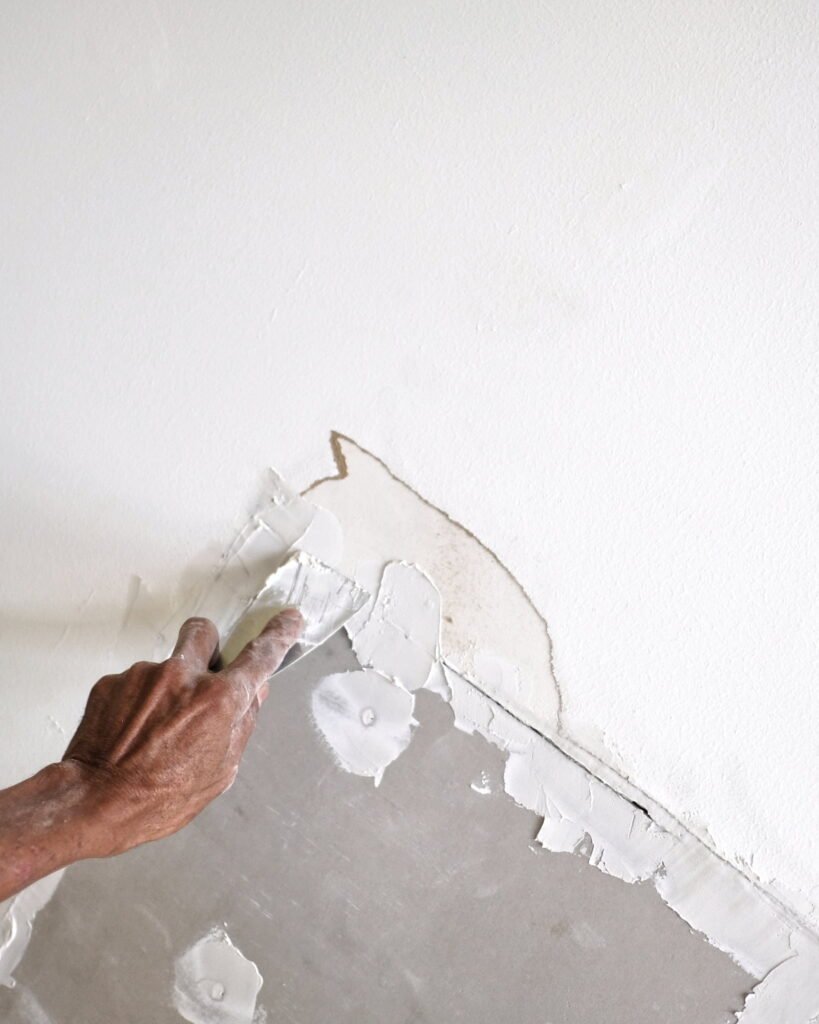
- Damaged drywall from accidents, settling, or moisture needing professional repair
- Missing or damaged trim, baseboards, or molding detracting from your home’s appearance
- Deck and porch repairs addressing safety hazards before they cause injuries
- General maintenance and small projects that larger contractors won’t take
Why Middle GA Homeowners Choose Alcord Construction for General Repairs & Carpentry?
Alcord Construction delivers dependable repair and carpentry services that actually solve problems rather than just covering symptoms. We respond to requests promptly, diagnose issues correctly identifying underlying causes, execute repairs using proper materials and techniques, complete work thoroughly without leaving loose ends, and charge fairly for the work performed—ensuring reliability and quality for projects both large and small. With extensive experience throughout Sandersville, Dublin, Milledgeville, Macon, Warner Robins, Perry, and surrounding Middle Georgia areas, we bring problem-solving skills and honest service to every repair project.
Our Services
Our Service Areas
- Sandersville
- Dublin
- Milledgeville
- Macon
- Warner Robins
- Perry
- Surrounding Middle Georgia communities
Learn More
General Repairs & Carpentry in Middle Georgia: Solving Problems That Others Ignore
Every home needs periodic repairs and maintenance. Wood rots. Hardware fails. Accidents happen. Settling causes cracks. Weather damages exterior elements. These aren’t major renovations—they’re the smaller but important problems that affect daily life and, if ignored, become expensive disasters. Finding reliable help for these projects frustrates many homeowners. Large contractors aren’t interested in small jobs. Handymen show up once then disappear. DIY attempts create bigger problems than they solve. Professional general repair and carpentry services fill this gap, providing skilled work on projects that matter even when they’re not glamorous. Quality repair work fixes problems correctly rather than temporarily, addresses underlying causes rather than just symptoms, and prevents small issues from becoming structural nightmares.
Why General Repairs Require Real Skill
Many people dismiss repair work as simple—anyone can patch holes, replace boards, or adjust doors. Reality proves otherwise. The difference between proper repairs and quick fixes becomes obvious within months when temporary solutions fail and underlying problems worsen.
Diagnosis separates quality repair work from amateur attempts. Visible problems often have hidden causes. A sticking door might result from foundation settlement, moisture damage causing swelling, or loose hinges. Patching the symptom without addressing the cause guarantees the problem returns. Professional repairs include understanding what’s actually wrong, addressing root causes, fixing symptoms properly, and preventing recurrence.
Appropriate materials and techniques matter tremendously. Different situations require different approaches. Exterior wood repairs need rot-resistant materials and proper sealing. Interior repairs might use standard lumber. Using wrong materials for conditions guarantees premature failure. Proper techniques ensure repairs blend with surrounding construction and perform as well as original work.
Matching existing construction challenges even experienced carpenters. Trim profiles might be discontinued. Siding patterns might be unavailable. Textures and finishes need matching. Creating repairs that blend seamlessly requires skill, patience, and sometimes creativity finding solutions when perfect matches don’t exist.
Understanding when to repair versus replace requires experience and judgment. Some damage is repairable economically. Other situations are better addressed through replacement. Making wrong choices wastes money—either spending more than necessary on replacement or wasting money on repairs that don’t last.
Common Repair and Carpentry Projects
General repairs and carpentry encompass wide variety of projects. Understanding common situations helps homeowners recognize when professional help makes sense.
Rotted Wood Repair and Replacement
Wood exposed to moisture eventually rots. This is particularly common in specific locations including window and door trim where water infiltrates around frames, fascia and soffit where roof drainage directs water, deck posts and framing where ground contact or pooling occurs, porch columns and railings exposed to weather, and exterior trim without proper paint protection.
Rot repair requires removing all damaged material—rot spreads if any remains. Replacement wood must resist rot through treatment or natural resistance. Proper sealing and painting prevents recurrence. Cutting corners on rot repair guarantees the problem returns quickly.
Minor rot might be addressed with epoxy consolidants and fillers. Extensive rot requires replacement. Attempting to save heavily rotted wood through filling wastes money—the filler will fail as surrounding wood continues deteriorating.
Door Problems and Repairs
Door problems frustrate homeowners daily. Common issues include doors that stick or bind requiring excessive force, won’t latch properly allowing doors to swing open, drag on floors or thresholds, have gaps allowing drafts and energy loss, and have damaged frames or trim from forced opening.
Door repairs might involve adjusting hinges to proper position, planing edges that bind, replacing worn weatherstripping, repairing or replacing damaged jambs, adjusting strike plates for proper latching, or addressing underlying problems like settlement causing frame distortion.
Sometimes door problems indicate more serious issues. Extensive binding or gaps might signal foundation settlement. Water-stained doors suggest leak problems. Proper diagnosis determines whether simple adjustment suffices or larger problems need addressing.
Window Repairs and Improvements
Windows develop various problems over time including sash cords breaking on older double-hung windows, seals failing allowing condensation between panes, frames rotting from moisture exposure, hardware failing preventing proper operation, and weatherstripping deteriorating allowing drafts.
Some window problems are repairable—replacing sash cords, adjusting hardware, replacing weatherstripping, repairing minor frame damage. Others warrant replacement—failed sealed units can’t be truly repaired, extensively rotted frames, or windows with broken glass and obsolete sizes.
Understanding when repair makes sense versus window replacement requires evaluating window age and overall condition, cost of repairs versus replacement, energy efficiency considerations, and homeowner long-term plans.
Drywall Damage Repair
Drywall damage occurs from various causes—doorknob impacts creating holes, furniture or accident damage, water leaks causing staining or deterioration, settling cracks, and popped nails or screws. While we discussed extensive drywall repair in a dedicated section earlier, general repairs often include smaller drywall issues as part of broader maintenance.
Quality repairs match existing textures, blend seamlessly with surrounding surfaces, address any moisture sources causing damage, and create durable repairs that don’t fail prematurely.
Trim and Molding Installation or Repair
Trim serves both functional and aesthetic purposes. It covers gaps between surfaces, protects vulnerable edges, and defines room character. Common trim projects include replacing damaged baseboard from water exposure or accidents, installing crown molding where it’s missing or desired, repairing or replacing door and window casing, adding chair rail or wainscoting, and fixing trim pulled loose or damaged during other work.
Quality trim work requires precise cutting for tight joints, proper installation securing trim without gaps, careful finishing making repairs invisible, and matching profiles when replacing sections of existing trim.
Discontinued trim profiles challenge repairs. Sometimes salvaged trim from less visible areas can be moved to prominent locations. Other times custom milling creates matching profiles. Sometimes complementary profiles work better than forced matching.
Deck and Porch Repairs
Exterior structures deteriorate from weather exposure and use. Common repair needs include replacing rotted decking boards or structural members, rebuilding failing stairs or railings, repairing or replacing damaged posts, addressing loose or wobbly components, and replacing damaged or unsafe railings.
Safety concerns make some repairs urgent. Loose railings, deteriorated stairs, or rotted structural members create injury hazards requiring immediate attention. Cosmetic damage can wait—structural and safety issues cannot.
Repair decisions depend on damage extent. Isolated board replacement might suffice for minor problems. Extensive deterioration often warrants rebuilding sections or entire structures. Patching extensively rotted structures wastes money and leaves safety hazards.
Minor Framing Repairs
Sometimes framing needs repair or modification. This might include sistering joists to strengthen floors, repairing damaged studs from plumbing leaks, adding blocking for fixture mounting, repairing headers that have failed, or addressing structural modifications done improperly in the past.
Framing repairs often come to light during other work—opening walls for updates reveals hidden damage requiring attention before closing walls again. Addressing these problems during renovation prevents future failures.
Siding Repairs
Siding damage from storms, accidents, or age requires repair to maintain weather protection and appearance. Repairs might involve replacing damaged vinyl siding sections, patching or replacing wood siding boards, repairing fiber cement siding cracks or damage, addressing gaps or separations allowing water infiltration, and repairing trim around siding penetrations.
Siding repairs should match existing materials and appearance. This sometimes requires creativity when exact matches aren’t available. Proper installation ensures repairs don’t leak and blend with surrounding siding.
Miscellaneous Carpentry Projects
General carpentry encompasses numerous smaller projects including building or repairing shelving, installing handrails for safety and accessibility, creating custom storage solutions, building or repairing gates and fences, installing or repairing exterior shutters, and various other projects improving function or appearance.
These projects might seem minor but affect daily life. A handrail makes stairs safer. Proper shelving organizes storage. Small improvements accumulate into significant home enjoyment and value.
When to Call for Professional Help
Some repairs are reasonable DIY projects. Others require professional skill, tools, or safety considerations making professional service appropriate.
Projects Better Left to Professionals
Certain repairs warrant professional help including anything involving structural elements or safety concerns, working at heights requiring ladders or scaffolding, repairs where improper work creates bigger problems, situations requiring specialized tools, projects where matching existing work is critical, and repairs uncovering underlying problems requiring assessment.
Professional help costs money but prevents expensive mistakes and ensures repairs actually solve problems rather than temporarily masking them.
When DIY Makes Sense
Simple repairs within homeowner skill and comfort levels are reasonable DIY projects. Replacing obviously damaged boards using basic tools, patching small drywall holes, painting or simple finishing work, installing basic hardware or accessories, and routine maintenance like caulking or weatherstripping might not require professional help.
However, honest assessment of skills prevents disasters. Starting projects beyond your abilities often creates bigger problems requiring professional correction costing more than hiring professionals initially would have.
The “Honey-Do List” Problem
Many homeowners accumulate lists of small repairs they intend to do eventually. These lists grow while individual projects remain undone. Hiring professionals to address lists efficiently often proves more practical than letting repairs languish indefinitely.
Addressing multiple small items in single service calls is often economical—travel time and setup are covered once while knocking out multiple projects.
Understanding Repair Costs and Value
Repair work pricing varies tremendously based on project specifics. Understanding value helps make good decisions.
Why Small Jobs Sometimes Cost More Than Expected
Small repair projects sometimes have surprisingly high costs relative to their size. This reflects realities including travel time and setup consuming time regardless of repair size, diagnostic time identifying problems, material costs including minimum purchases when small amounts are needed, and matching requirements sometimes requiring extra effort or materials.
A two-hour minimum charge for service calls reflects these realities. Charging only for fifteen minutes of actual repair time doesn’t cover business costs of showing up.
Evaluating Repair Value
Repair value isn’t just immediate cost—it includes preventing larger problems from developing, maintaining home appearance and function, protecting property value, and avoiding safety hazards creating liability.
Spending $200 fixing rotted trim prevents $2,000 in structural repairs later. This represents excellent value even though the immediate cost seems high for “just replacing a board.”
When Repairs Don’t Make Financial Sense
Sometimes repairs aren’t economically justified. Very old elements with multiple problems might be better replaced entirely. Extensive damage requiring numerous repairs might cost more than replacement. Obsolete components might not be worth maintaining.
Professional assessment helps determine when repair makes sense versus when replacement is more practical. Good contractors recommend replacement when it serves customers better, even though replacement often generates less immediate revenue than extensive repairs.
Preventive Maintenance Value
Regular maintenance and prompt repairs cost less than deferred maintenance requiring major work later. Caulking around trim prevents water infiltration causing rot. Painting wood prevents deterioration. Adjusting doors before damage occurs prevents repair needs.
Investing in maintenance and timely repairs protects long-term value better than ignoring problems until they become expensive emergencies.
Problem-Solving Skills in Repair Work
Repair work demands problem-solving as much as technical skills.
Diagnosing Root Causes
Effective repairs address causes, not just symptoms. A rotted window sill has underlying cause—improper flashing, failed caulk, or drainage problems. Replacing rotted wood without fixing what caused rot guarantees repeated failure.
Problem-solving includes examining damage carefully, understanding how water, stress, or other factors caused problems, identifying what needs correction, and planning repairs that address both symptoms and causes.
Creative Solutions When Standard Approaches Don’t Work
Repair situations sometimes don’t fit standard solutions. Discontinued materials aren’t available. Access limitations prevent ideal repairs. Budget constraints require creative approaches. Finding solutions that work within constraints separates skilled contractors from those who give up when perfect solutions aren’t available.
Creativity might involve salvaging materials from elsewhere, fabricating custom pieces, using complementary rather than matching materials, or phasing repairs to spread costs.
Knowing When to Recommend Alternatives
Good contractors don’t just execute requested repairs—they recommend better approaches when appropriate. This might include suggesting replacement instead of extensive repairs, addressing underlying problems homeowners haven’t identified, recommending preventive work preventing future problems, or explaining when deferring certain repairs is acceptable versus when problems are urgent.
Honest advice serves customers better than just doing whatever they ask without professional input.
Managing Homeowner Expectations
Repairs sometimes uncover additional problems. Opening walls to replace rotted trim reveals more extensive damage. Adjusting doors reveals foundation settlement. Setting realistic expectations about possibilities prevents surprise and conflict.
Clear communication about what might be discovered, obtaining homeowner decisions about addressing problems found during work, and documenting conditions helps manage expectations.
Regional Considerations for Middle Georgia Repairs
Local climate and building characteristics affect repair needs and approaches.
Moisture and Rot Challenges
Middle Georgia’s humid climate accelerates wood deterioration. Exterior wood repairs are common needs. Understanding local moisture challenges helps execute repairs that last.
Repairs must use appropriate materials—pressure-treated or naturally rot-resistant wood for exterior applications. Proper sealing and painting protects repairs from moisture. Addressing drainage and moisture sources prevents recurring problems.
Termite and Pest Damage
Termites are prevalent in Middle Georgia. Repairs sometimes uncover termite damage not previously visible. Wood-boring beetles and carpenter ants also damage structures.
Repairs should include identifying pest activity, treating if active infestations exist, replacing damaged materials, and preventing recurrence through proper termite prevention.
Foundation Settlement Effects
Many Middle Georgia homes experience minor foundation settlement creating cosmetic problems—cracks in drywall, doors that bind, or gaps in trim. While repairs can address cosmetic issues, understanding whether settlement is ongoing or stabilized helps determine appropriate repair approaches.
Minor cosmetic repairs make sense for stabilized settlement. Active, ongoing settlement might warrant foundation evaluation before investing in repairs that will just crack again.
Historic Home Repair Challenges
Many Middle Georgia homes are older with unique characteristics complicating repairs. Original materials might be unavailable. Construction methods differ from modern standards. Repairs should respect historic character while addressing problems.
Experience with older homes helps navigate these challenges appropriately.
Tools and Skills for Quality Carpentry
Professional carpentry requires appropriate tools and developed skills.
Essential Carpentry Tools
Professional carpenters use various specialized tools including precision saws for accurate cutting, various measuring and marking tools, power tools for efficient material preparation, hand tools for precise fitting and finishing, and specialized tools for specific applications.
Quality tools don’t guarantee quality work—skill matters more. However, appropriate tools make precision easier to achieve consistently.
Measurement and Cutting Precision
Carpentry demands precision. Accurate measurement and cutting create tight-fitting joints and professional results. “Close enough” rarely is—small errors compound into obvious problems.
Measuring twice, cutting once isn’t just cliché—it’s essential practice. Mistakes waste materials and time while creating frustration.
Understanding Wood Movement
Wood expands and contracts with humidity changes. Repairs must accommodate this movement. Fixed dimensions in summer might create gaps in winter or binding in humid periods.
Proper gaps, appropriate fastening, and understanding seasonal changes prevents repairs that fail from wood movement.
Matching Existing Work
Blending repairs with existing construction requires understanding how original work was done, matching techniques and materials, creating joints and transitions that don’t draw attention, and finishing to match surrounding areas.
Repairs that announce themselves didn’t achieve the goal. Invisible repairs represent success.
Working With Homeowners on Repair Projects
Repair work involves close interaction with homeowners. Communication and professionalism matter tremendously.
Understanding Homeowner Priorities
Different homeowners prioritize different factors—some value speed over perfection, others want highest quality regardless of time. Some have tight budgets requiring economical approaches. Others want premium results.
Understanding priorities helps deliver service that satisfies. Assuming everyone values the same things leads to mismatched expectations and dissatisfaction.
Clear Communication About Scope and Cost
Repair projects sometimes expand once work begins and additional problems are discovered. Clear communication prevents surprises and conflicts.
This includes explaining what work is planned and estimated costs, documenting conditions found during work, obtaining homeowner decisions about addressing unexpected problems, and providing clear billing showing what work was performed.
Respecting Homes and Schedules
Repair work disrupts homes. Professional service minimizes disruption through arriving when scheduled, protecting work areas from damage and mess, cleaning thoroughly after work, and completing projects in reasonable timeframes.
We understand we’re guests in homes. Treating homes respectfully—removing shoes if requested, containing mess, maintaining appropriate behavior—shows professionalism.
Standing Behind Work
Warranty and accountability matter. If repairs fail due to our work, we correct them. If problems arise from factors beyond our control—discovering additional damage, homeowner decisions, or concealed conditions—we explain circumstances clearly.
Accountability builds trust. Making excuses destroys it.
The Alcord Construction Repair & Carpentry Approach
Different contractors approach repair work differently. Our methods emphasize reliability, problem-solving, and quality execution.
Responsive Service
We understand repair needs often create frustration and inconvenience. We respond to inquiries promptly, schedule work reasonably quickly, show up when scheduled, and complete projects efficiently.
Reliability seems basic but proves surprisingly rare in repair services. We treat responsiveness as fundamental service expectation.
Proper Diagnosis Before Work
We don’t just execute requested repairs blindly. We examine problems, identify underlying causes, explain what we find, recommend appropriate solutions, and obtain homeowner agreement before proceeding.
This diagnostic approach prevents wasting money on repairs addressing symptoms without fixing causes.
Quality Materials and Techniques
We use appropriate materials for each application and execute repairs using proven techniques. This means pressure-treated lumber for exterior ground contact, proper fasteners resisting corrosion, appropriate sealants and finishes, and techniques creating durable repairs.
Using wrong materials or sloppy techniques creates repairs that fail prematurely.
Attention to Matching and Blending
We understand repairs should blend with existing construction. Our work includes carefully matching materials and finishes, using techniques creating invisible joints and transitions, and taking time necessary for quality results.
Repairs that announce themselves didn’t fully succeed. Invisible repairs represent craftsmanship.
Fair, Transparent Pricing
We price fairly for work performed. This includes clear estimates for defined scope, communication about additional work discovered during projects, itemized billing showing work completed, and honest assessment when situations don’t warrant repair.
We won’t recommend unnecessary work to inflate bills. When deferring repairs is reasonable or when replacement makes more sense than repair, we say so honestly.
Middle Georgia Experience
Throughout Sandersville, Dublin, Milledgeville, Macon, Warner Robins, Perry, and surrounding Middle Georgia communities, we’ve addressed countless repair and maintenance needs. Our regional experience means we understand common problems in local homes, typical causes of damage in Middle Georgia climate, materials that perform well in humid conditions, and building characteristics of homes throughout the area. Our reputation depends on solving problems correctly rather than just collecting payment for temporary fixes.
Maintain and Improve Your Middle Georgia Home
Every home needs periodic repairs and maintenance. Addressing problems promptly prevents small issues from becoming expensive disasters while maintaining appearance, function, and value. If you’re dealing with rotted wood threatening structural damage, doors and windows that don’t work properly, drywall damage from accidents or settling, damaged or missing trim and molding, or any of the countless repair needs homes develop, professional service solves problems correctly rather than temporarily.
Alcord Construction brings problem-solving skills and quality craftsmanship to general repairs and carpentry projects. We handle everything from rotted wood replacement to door adjustments, minor repairs to trim installation, and general maintenance to small improvement projects. You receive responsive service, proper diagnosis, quality work, and fair pricing.
Throughout Sandersville, Dublin, Milledgeville, Macon, Warner Robins, Perry, and surrounding Middle Georgia communities, we deliver repair and carpentry services that homeowners trust.