Professional Drywall Repair in Middle Georgia
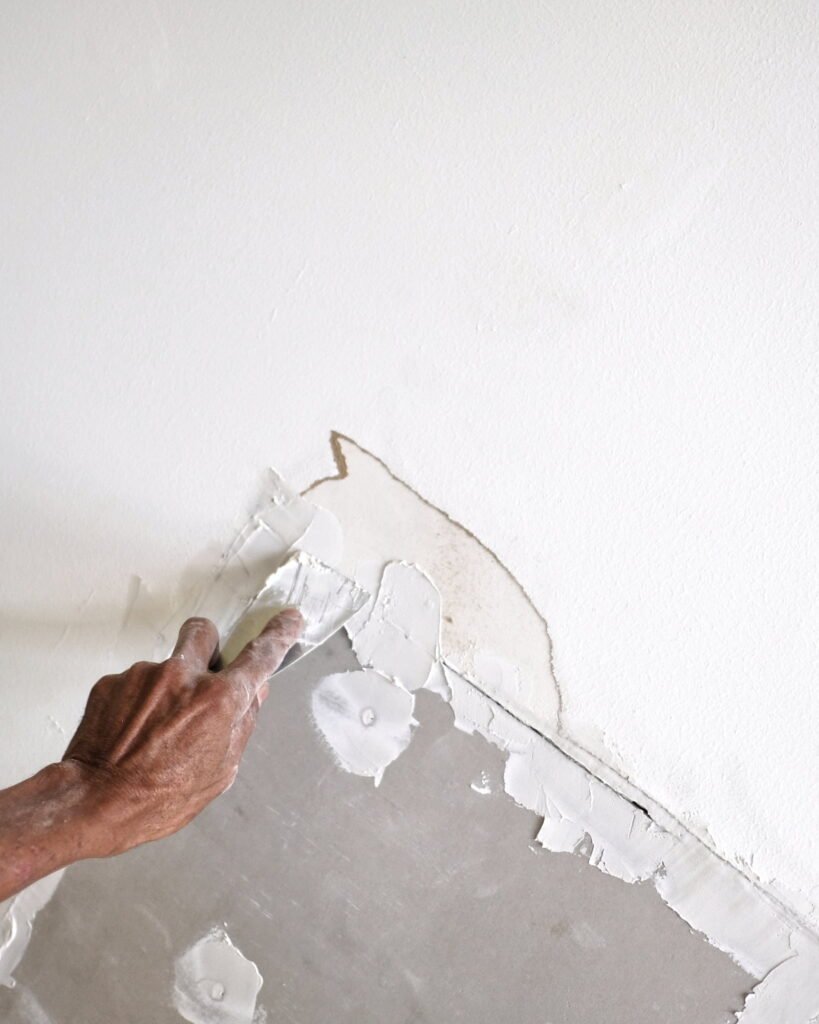
Your walls shouldn’t show cracks, holes, or water damage every time you look around your home. With professional drywall repair from Alcord Construction, you can restore damaged walls and ceilings to smooth, flawless surfaces—without the uneven patches, visible seams, or texture mismatches that reveal amateur work. Our team handles everything from minor hole repairs to extensive water damage restoration so you get walls that look new, blend seamlessly with surrounding surfaces, and stand up to daily use without showing the repair.
Common Drywall Problems in Middle GA Homes
- Holes from doorknobs, accidents, or removed fixtures leaving unsightly damage
- Cracks appearing along seams, corners, or from settling and structural movement
- Water stains and damage from leaks, flooding, or humidity causing bubbling and deterioration
- Dents and gouges from furniture impacts or rough handling during moves
- Popped nails and screws creating visible bumps breaking through paint
Why Middle GA Homeowners Choose Alcord Construction for Drywall Repair?
Alcord Construction delivers precise, invisible drywall repair that restores walls and ceilings without evidence work was performed. We assess damage extent including hidden moisture or structural issues, repair using proper materials and techniques for each situation, match existing textures perfectly, and finish with smooth surfaces ready for paint—ensuring durability with results that blend seamlessly. With extensive experience throughout Sandersville, Dublin, Milledgeville, Macon, Warner Robins, Perry, and surrounding Middle Georgia areas, we bring skilled craftsmanship and meticulous attention to every drywall repair.
Our Services
Our Service Areas
- Sandersville
- Dublin
- Milledgeville
- Macon
- Warner Robins
- Perry
- Surrounding Middle Georgia communities
Learn More
Drywall Repair in Middle Georgia: Restoring Walls to Perfect Condition
Drywall damage happens in every home. Accidents create holes. Settling causes cracks. Leaks leave water stains. Furniture impacts leave dents. These problems don’t just look bad—they can indicate underlying issues requiring attention. Professional drywall repair addresses both cosmetic damage and hidden problems, restoring walls and ceilings to smooth, flawless condition that looks as though damage never occurred. When done correctly, repairs are completely invisible. When done poorly, patches remain obvious through texture mismatches, visible seams, or uneven surfaces that catch light and draw attention.
Why Drywall Repair Requires More Skill Than People Realize
Many homeowners view drywall repair as simple—patch holes, sand smooth, paint over. Reality proves far more complex. The difference between professional repairs and amateur attempts becomes obvious once paint is applied and light reveals every imperfection.
Surface preparation determines whether repairs disappear or remain visible. Drywall compound shrinks as it dries. Multiple coats are necessary, each feathered beyond the previous coat, creating imperceptibly gradual transitions. Rushing with thick single coats creates visible patches that telegraph through paint.
Texture matching separates quality work from obvious repairs. Homes have various wall textures—smooth, orange peel, knockdown, skip trowel, popcorn ceilings. Matching existing texture requires understanding how each texture is created and having the skill to replicate it. Mismatched texture reveals repairs immediately, even under multiple paint coats.
Understanding what caused damage prevents repeated failures. A hole from accidental impact just needs patching. A crack from structural settling will reappear unless underlying movement is addressed. Water damage requires identifying and fixing the moisture source before repairing surfaces. Fixing symptoms without addressing causes wastes money on repairs that fail again.
Professional repair also means recognizing when damage indicates serious problems. Extensive cracking might signal foundation issues. Water stains could mean hidden mold. Sagging ceilings suggest structural problems. Experienced contractors identify these red flags and recommend appropriate action rather than just covering visible damage.
Common Types of Drywall Damage and Their Causes
Different damage types require different repair approaches. Understanding what you’re dealing with helps set appropriate expectations.
Small Holes and Punctures
Small holes from nails, screws, or minor impacts are the simplest repairs. These typically just require filling with joint compound or patching material, sanding smooth once dry, and painting. If holes are slightly larger—up to two inches—self-adhesive mesh patches provide backing for compound application.
These repairs are straightforward when properly executed. The challenge lies in achieving perfectly smooth surfaces and matching surrounding texture and paint.
Large Holes
Holes larger than a few inches require more complex repair. Simply filling large voids with compound doesn’t work—compound will crack and sag. Proper repair requires backing—either new drywall pieces secured behind the opening or specialized repair clips that grip the surrounding drywall.
After backing is installed, new drywall pieces are cut to fit the opening, secured to backing, joints are taped and compounded, and surfaces are finished smooth. This process essentially recreates original construction within the damaged area.
Large holes often result from doorknob impacts, accidental punctures during furniture moving, or deliberate openings cut for plumbing or electrical access. Proper repair restores full strength and appearance.
Cracks in Walls and Ceilings
Cracks appear for various reasons, and identifying the cause matters tremendously. Settlement cracks occur as homes age and foundations settle slightly. These typically appear at stress points—corners of doors and windows, where walls meet ceilings, along seams between drywall sheets.
Structural cracks suggest more serious problems—foundation issues, roof structure problems, or significant settlement. These cracks are often wider, may show displacement where one side is higher than the other, and frequently reappear after repair.
Repairing cracks without addressing causes leads to repeated cracking. Minor settlement cracks can be repaired successfully with proper technique. Structural cracks require addressing underlying problems before cosmetic repair makes sense.
Water Damage
Water damage to drywall manifests in various ways. Light water exposure might cause only staining—brown or yellow discoloration that shows through paint. Heavier exposure causes bubbling where paper facing separates from gypsum core. Severe exposure causes sagging, crumbling, and complete failure of drywall integrity.
Water-damaged drywall often requires replacement rather than repair. Once gypsum core gets wet, it loses strength even after drying. Paper facing becomes mold food when moisture is present. Attempting to repair severely water-damaged drywall is false economy—it will continue deteriorating.
Water damage also raises mold concerns. Hidden mold behind walls threatens health and continues growing if moisture sources aren’t eliminated. Proper water damage repair includes identifying moisture sources, drying affected areas thoroughly, treating or removing moldy materials, and only then repairing or replacing drywall.
Popped Nails and Screws
Fastener pops create small bumps in walls or ceilings where nail or screw heads push through compound and paint. These occur when lumber shrinks away from fasteners or when fasteners weren’t set properly during construction.
Repair requires driving protruding fasteners slightly deeper and adding new fasteners nearby to secure drywall properly. Then the dimples are filled, sanded, and finished. Simply hammering protruding nails flat without adding new fasteners leads to repeated popping.
Damaged Corners
Corner bead—metal or plastic trim protecting outside corners—can be damaged by impacts. Dented corner bead shows through any amount of compound. Proper repair requires removing damaged sections and installing new corner bead before finishing.
Inside corners can crack along seams. These repairs require removing loose compound, re-taping joints properly, and refinishing.
Texture Damage
Sometimes drywall itself is fine but texture is damaged—scraped off, crushed, or discolored. Texture repair requires matching the existing pattern, which can be challenging. Some textures are easy to replicate; others require specialized equipment or techniques.
Popcorn ceiling texture is particularly difficult to match perfectly, and disturbing old popcorn texture in homes built before the 1980s raises asbestos concerns requiring professional testing and potentially specialized removal.
The Professional Drywall Repair Process
Quality repair follows systematic processes that ensure invisible results.
Damage Assessment
Repair begins with thorough assessment. This includes examining damage extent—what’s visible might not reveal full scope, determining what caused damage to prevent recurrence, identifying whether repair or replacement is appropriate, checking for hidden issues like mold or structural problems, and planning repair approach for best results.
Rushing into repair without proper assessment leads to inadequate fixes that fail or miss serious underlying problems.
Surface Preparation
Proper preparation creates foundations for successful repairs. This involves removing loose or damaged material completely, cleaning surfaces of dust, grease, or contaminants, ensuring firm, solid backing for patches, cutting clean edges on damaged areas for proper patching, and protecting surrounding areas from compound and dust.
Inadequate preparation prevents proper adhesion and leads to repairs that fail prematurely. Taking time to prepare properly is never wasted—it’s essential for quality results.
Structural Backing Installation
For holes requiring backing, proper installation is critical. Backing must be solid and secure. Various methods work depending on hole size and location. Drywall clips grip surrounding material and provide attachment points. Backing boards secured through the hole provide support. Furring strips installed through access openings create secure attachment.
Weak or inadequate backing allows patches to flex, crack, or fail. Backing must be solid enough to support not just compound weight but potential impacts and stress on repaired areas.
Patch Installation
When cutting new drywall pieces for patches, precise fitting matters. Gaps larger than about 1/8 inch are difficult to fill invisibly. Careful measuring and cutting creates tight fits requiring minimal compound.
Patches must be secured firmly to backing. Screws are typically better than nails—they pull patches tight and won’t pop later. Screws should be set just below the surface without breaking paper facing.
Taping and Compound Application
Seams require proper taping. Paper tape or fiberglass mesh tape covers joints, preventing cracks from developing. Tape must be embedded in compound smoothly without wrinkles or bubbles.
Compound application requires multiple coats. First coats embed tape and fill low spots. Second coats build surfaces level with surrounding areas. Final coats feather edges well beyond repair areas, creating imperceptible transitions.
Each coat must dry completely before the next is applied. Rushing leads to soft spots, cracking, and failed adhesion. Proper drying typically requires 24 hours between coats, though times vary with compound type, thickness, humidity, and temperature.
Sanding and Smoothing
After final compound coat dries, sanding creates perfectly smooth surfaces. This step requires patience and attention. Sanding too aggressively removes too much compound, creating low spots. Insufficient sanding leaves ridges and rough areas that show through paint.
Sanding creates substantial dust despite precautions. Protecting surrounding areas and using dust collection equipment minimizes mess but doesn’t eliminate it entirely.
Sanding reveals imperfections requiring additional compound and sanding. Multiple rounds are normal for complex repairs. Achieving perfectly smooth surfaces that disappear under paint requires persistence and attention to detail.
Texture Matching
For walls with texture, matching existing patterns is critical. Different textures require different application methods. Orange peel texture is sprayed using specific equipment and settings. Knockdown texture is sprayed then partially flattened with a trowel. Skip trowel creates patterns with hand troweling. Smooth walls require flawless compound work without texture.
Matching texture over repair areas while blending with surrounding texture requires skill and often practice on scrap materials before applying to actual repairs. Mismatched texture remains visible even under paint and marks repairs as obviously as unmatched paint color.
Priming and Painting
After repairs are complete and texture is matched, surfaces must be primed. Primer seals compound, prevents sheen differences, and ensures paint adheres properly. Skipping primer often results in flat spots where repaired areas absorb paint differently than surrounding surfaces.
Paint must match existing walls in both color and sheen. Even with matching paint, new paint often appears slightly different until it ages to match surrounding areas. Painting entire walls rather than just repair areas often achieves better color consistency.
Special Considerations for Different Damage Types
Different repairs require specialized approaches beyond basic techniques.
Repairing Ceiling Damage
Ceiling repairs present unique challenges. Working overhead is physically demanding and makes achieving smooth finishes more difficult. Gravity works against you—compound wants to sag before it dries.
Ceiling repairs often require specialized techniques. Lighter-weight compounds resist sagging. Working in thinner coats reduces sagging risk. Sometimes repairs require holding materials in place until they set enough to support themselves.
Ceiling texture, particularly popcorn texture, is difficult to match. Modern spray textures differ from older hand-applied textures. Many homeowners choose to remove popcorn ceilings entirely rather than attempting repairs, though this is expensive and creates asbestos concerns in older homes.
Addressing Recurring Cracks
Cracks that return after repair indicate ongoing problems. Simply filling cracks without addressing causes guarantees they’ll reappear. Several approaches address recurring cracks beyond simple compound application.
Fiberglass mesh tape provides reinforcement that resists cracking better than paper tape. Flexible caulk rather than rigid compound accommodates minor movement without cracking. In severe cases, installing crack isolation products—flexible membranes bridging cracks—prevents crack transmission through repairs.
However, extensive recurring cracking suggests structural issues requiring professional evaluation. Foundation problems, roof structure issues, or significant settling cause cracking that no surface repair will permanently fix. Addressing root causes matters more than repeated cosmetic repairs.
Water Damage Remediation
Water damage repair extends beyond just fixing drywall. Moisture sources must be identified and corrected. This might involve fixing roof leaks, repairing plumbing, improving ventilation, or addressing foundation water intrusion.
Affected areas must be thoroughly dried before repair. Moisture meters verify drywall and framing are sufficiently dry. Attempting repairs before complete drying leads to continued problems and potential mold growth.
Mold assessment is critical after water damage. Visible mold requires removal—simply covering moldy drywall with compound is inadequate and unhealthy. Hidden mold behind walls might require opening additional areas for inspection and remediation.
Water-damaged drywall often requires replacement rather than repair. Even after drying, wet drywall has reduced strength and provides food for mold if moisture returns. Replacement provides peace of mind that structure is sound and healthy.
Matching Smooth Wall Finishes
Smooth wall finishes—Level 5 finishes in industry terminology—are particularly challenging to repair invisibly. These finishes have no texture to hide minor imperfections. Every slight irregularity shows in raking light.
Achieving Level 5 smoothness requires multiple thin coats of compound applied with precision, meticulous sanding creating absolutely flat surfaces, priming that doesn’t raise grain or create texture, and painting that doesn’t create sheen variations.
Often, achieving invisible repairs on smooth walls requires finishing entire walls rather than just patch areas. This adds cost but delivers results where repairs truly disappear.
Tools and Materials That Make a Difference
Professional-quality tools and materials deliver better results than economy options.
Joint Compound Types
Various joint compounds suit different applications. All-purpose compound works for most repairs but takes longer to dry. Lightweight all-purpose compound is easier to sand and work with. Topping compound creates very smooth finishes for final coats. Quick-setting compound dries rapidly, allowing multiple coats in one day, though it’s harder to sand and requires more skill.
Using appropriate compounds for each application phase improves results. Professionals often use different compounds for embedding tape, filling, and final smoothing.
Taping Materials
Paper tape creates strongest joints and resists cracking better than mesh tape when properly installed. However, it requires more skill—bubbles and wrinkles easily occur. Fiberglass mesh tape is self-adhesive and easier to install but not as strong as properly applied paper tape.
For most repairs, paper tape is preferred. Mesh tape works well for certain applications like repairing small cracks or reinforcing joints over existing surfaces.
Sanding Tools
Sanding blocks create flat surfaces better than hand-held sandpaper. Pole sanders allow working on ceilings and high walls without ladders. Sanding sponges work well in corners and for final touchups.
Various grit sandpapers suit different stages. Coarse grits remove material quickly but scratch surfaces. Fine grits create smooth finishes but remove material slowly. Professional repairs typically use progressively finer grits, ending with very fine paper for final smoothing.
Application Tools
Taping knives in various widths apply and smooth compound. Narrow knives work in tight areas and for initial coats. Wide knives create smooth, feathered final coats. Quality knives with straight, flexible blades produce better results than cheap tools.
Mud pans hold compound during application. Corner tools help finish inside corners smoothly. Texture guns spray texture patterns.
Using quality tools doesn’t guarantee quality results—skill matters more—but quality tools make achieving professional results easier and more consistent.
Regional Considerations for Middle Georgia Drywall
Local climate and building characteristics affect drywall problems and repair approaches.
Humidity and Drywall Compound Drying
Middle Georgia’s high humidity slows joint compound drying. What might dry in 8 hours in dry climates can take 24 hours or longer in humid conditions. Attempting to apply subsequent coats before previous coats dry fully causes problems—soft underlying compound gets disturbed, adhesion fails, and cracks develop.
Professional repairs require patience, allowing adequate drying time regardless of schedule pressure. Using dehumidifiers or fans can accelerate drying, but proper drying ultimately requires adequate time.
Moisture-Related Damage
Humid climate increases moisture exposure to drywall. Bathrooms and kitchens are particularly vulnerable. Poor ventilation compounds problems. Many moisture-related drywall failures in Middle Georgia trace to inadequate exhaust fans or homeowners not running fans during showers and cooking.
Addressing moisture sources prevents recurring damage. This might require improving ventilation, repairing leaks, or controlling humidity levels. Simply repairing drywall without addressing moisture problems leads to repeated failures.
Older Home Challenges
Middle Georgia includes many older homes where drywall repairs can be complicated. Some older homes have plaster walls rather than drywall—these require different repair techniques. Others have unusual wall constructions or textures no longer commonly used.
Older homes might have settling-related cracking requiring assessment before repair. They might have outdated electrical or plumbing behind walls requiring caution during repairs. Asbestos concerns arise in homes built before the 1980s, particularly with popcorn ceiling repairs.
Experience with older homes helps contractors navigate these challenges and deliver appropriate repairs.
Foundation Settlement
Some Middle Georgia soils experience movement causing foundation settlement. This creates cracking in drywall that might recur after repair. While cosmetic repairs can address visible cracking, underlying foundation issues might require engineering evaluation and foundation repair.
Distinguishing normal minor settlement cracks from those indicating serious problems requires experience. Professional contractors recognize warning signs and recommend appropriate action rather than just repeatedly patching cracks.
When to Repair Versus Replace Drywall
Not all damage warrants repair. Sometimes replacement is more appropriate and cost-effective.
Repair Makes Sense When
Small to moderate damage is contained and accessible, the underlying structure is sound, moisture has been eliminated and drywall has dried, damage doesn’t involve mold or other health hazards, and matching existing textures and finishes is practical.
Most common drywall damage—holes, cracks, minor water stains—can be repaired successfully when these conditions exist.
Replacement Is Better When
Damage is extensive covering large areas, water damage is severe or includes mold, drywall has deteriorated from age or repeated moisture exposure, repairs would be nearly as expensive as replacement, or achieving invisible repairs would be extremely difficult.
Replacing entire sections or even entire walls sometimes costs less and delivers better results than attempting complex repairs. It also provides opportunities to upgrade to mold-resistant drywall in moisture-prone areas or improve insulation.
Professional Assessment Helps Decide
Experienced contractors assess damage and recommend appropriate approaches. Sometimes what appears extensive can be repaired economically. Other times, apparently minor damage hides more serious problems justifying replacement.
Getting professional opinions before attempting repairs yourself prevents wasting effort on inappropriate approaches.
DIY Drywall Repair Versus Professional Service
Many homeowners attempt drywall repairs themselves. Understanding what’s realistic helps decide when DIY is appropriate versus when professional service makes sense.
Simple Repairs Homeowners Can Handle
Small nail holes, minor scrapes and dents, and simple picture hook holes are reasonable DIY projects for most homeowners. These require minimal tools and materials. Mistakes are low-consequence—worst case, you call a professional to fix your attempts.
However, even simple repairs benefit from understanding proper techniques. Using too much compound, inadequate sanding, or skipping primer creates unsatisfactory results that might require professional correction.
Repairs Better Left to Professionals
Large holes requiring backing and patching, extensive crack repair, water damage assessment and repair, texture matching for anything beyond smooth walls, ceiling repairs requiring overhead work, and situations where matching existing finishes is critical—these are better handled by experienced professionals.
The cost savings from DIY attempts on complex repairs often disappears when professional correction becomes necessary. Additionally, improper repairs can make subsequent professional repairs more difficult and expensive.
The Real Cost of DIY Mistakes
Beyond the financial cost of materials and eventual professional correction, failed DIY repairs create frustration and delay achieving satisfactory results. They sometimes cause additional damage through improper techniques—over-sanding creates low spots, excessive compound weight causes sagging, improper moisture management allows mold growth.
For critical repairs or when cosmetic results matter, professional service typically delivers better value than DIY attempts.
The Alcord Construction Drywall Repair Approach
Different contractors approach drywall repair differently. Our methods prioritize invisible results and addressing underlying problems.
Thorough Damage Assessment
We begin every repair evaluating damage comprehensively. This includes examining not just visible damage but potential hidden issues, determining what caused damage to prevent recurrence, assessing whether repair or replacement is more appropriate, identifying any moisture, mold, or structural concerns, and planning repair approach for best results.
Proper assessment prevents surprises and ensures repairs address root causes, not just visible symptoms.
Proper Repair Techniques
Our repair work follows proven methods that deliver invisible results. This includes using appropriate materials for each situation, applying multiple thin coats rather than rushing with thick applications, feathering repairs well beyond damage areas for imperceptible transitions, allowing adequate drying time between coats, and achieving perfectly smooth surfaces before texture and paint.
We don’t cut corners or rush processes. Quality drywall repair requires patience and attention at every step.
Perfect Texture Matching
We understand that mismatched texture reveals repairs immediately. Our work includes carefully analyzing existing texture patterns, using appropriate equipment and techniques for each texture type, practicing when necessary to ensure accurate matching, and blending repair textures seamlessly with surrounding areas.
Texture matching requires both skill and experience. We invest the effort necessary to achieve results that disappear.
Complete Finishing
We finish repairs completely including proper priming before paint, painting sufficient area to ensure color consistency, and cleaning thoroughly after completion leaving no compound dust or debris.
We also explain any underlying issues discovered and recommend appropriate actions. If cracks suggest structural problems, moisture indicates leaks, or conditions raise other concerns, we communicate these findings.
Attention to Surrounding Areas
Drywall repair creates dust despite precautions. We protect surrounding areas with drop cloths and plastic barriers, contain dust as much as possible during work, and clean thoroughly upon completion.
We treat your home with the respect we’d want for our own. Minimizing disruption and mess shows professionalism and consideration.
Middle Georgia Experience
Throughout Sandersville, Dublin, Milledgeville, Macon, Warner Robins, Perry, and surrounding Middle Georgia communities, we’ve repaired drywall damage of every type. Our regional experience means we understand moisture challenges in humid climate, common problems in older local homes, settlement patterns affecting structures, and repair techniques that deliver lasting results in Middle Georgia conditions. Our reputation depends on repairs that remain invisible years later.
Restore Your Middle Georgia Walls to Perfect Condition
Drywall damage doesn’t just look bad—it can indicate underlying problems requiring attention. If you’re dealing with holes from accidents or repairs, cracks suggesting settling or structural movement, water damage from leaks or flooding, or simply want walls restored to flawless condition, professional drywall repair delivers invisible results that last.
Alcord Construction brings skilled craftsmanship to every drywall repair. We handle all aspects including thorough damage assessment, proper repair using appropriate techniques, perfect texture matching, complete priming and painting, and attention to underlying issues. You receive honest evaluation, meticulous work, and walls that look as though damage never occurred.
Throughout Sandersville, Dublin, Milledgeville, Macon, Warner Robins, Perry, and surrounding Middle Georgia communities, we deliver drywall repair that homeowners trust.