Professional Demolition Services in Middle Georgia
Your renovation shouldn’t start with amateur tearout that damages structural elements you need to keep. With professional demolition services from Alcord Construction, you can safely remove outdated materials and prepare spaces for remodeling—without structural damage, utility line hazards, or debris chaos that derails your project. Our team handles everything from selective interior demolition to complete room gutting so you get clean, safe workspaces ready for new construction without the risks and complications that come from improper demolition techniques.
Common Demolition Needs in Middle GA Homes
- Kitchen and bathroom remodels requiring complete removal of cabinets, fixtures, and finishes
- Outdated materials like old flooring, tile, or paneling needing removal before updates
- Water-damaged areas requiring tearout to studs for proper remediation and rebuilding
- Room renovations needing walls opened, removed, or reconfigured for better layouts
- Hazardous materials like mold-infected drywall or damaged asbestos requiring safe removal
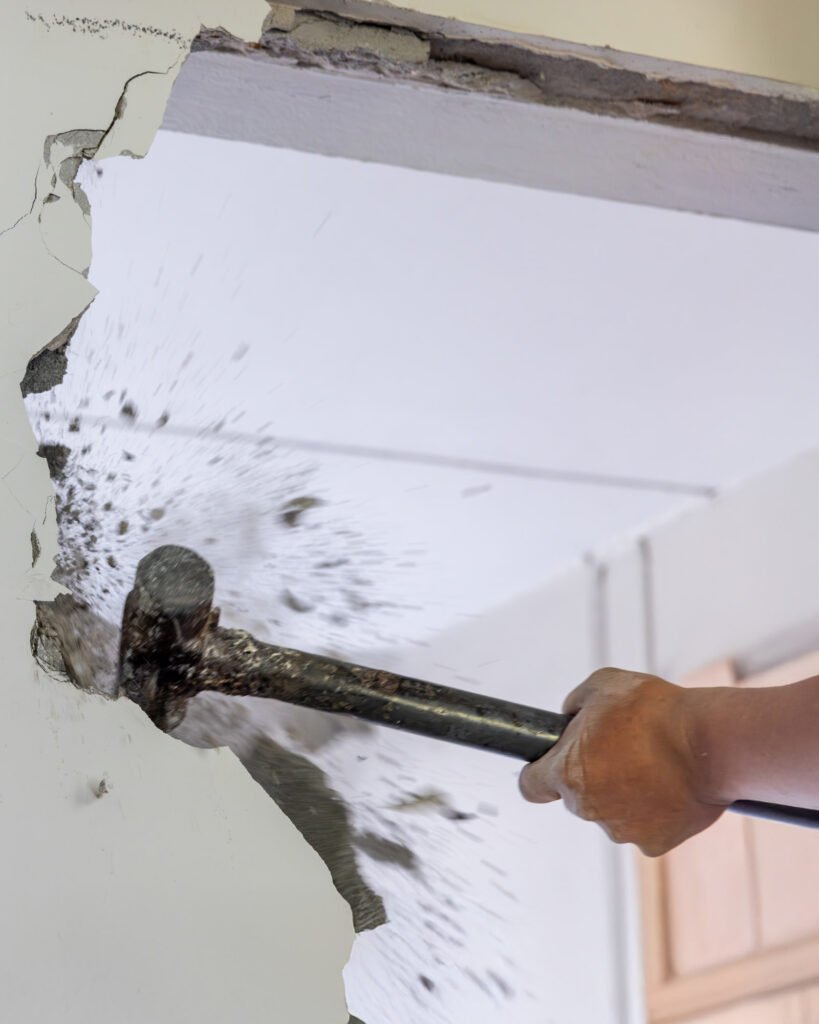
Why Middle GA Homeowners Choose Alcord Construction for Demolition Services?
Alcord Construction delivers careful, controlled demolition that removes what needs to go while protecting what stays. We evaluate structural and utility considerations before starting work, remove materials systematically without damaging surrounding areas, identify and address hazardous materials properly, handle debris removal efficiently, and prepare spaces for the next construction phase—ensuring safety with clean results. With extensive experience throughout Sandersville, Dublin, Milledgeville, Macon, Warner Robins, Perry, and surrounding Middle Georgia areas, we bring thoughtful planning and skilled execution to every demolition project.
Our Services
Our Service Areas
- Sandersville
- Dublin
- Milledgeville
- Macon
- Warner Robins
- Perry
- Surrounding Middle Georgia communities
Learn More
Demolition Services in Middle Georgia: Preparing Spaces for Transformation
Demolition is where renovation projects begin. Before you can install new kitchens, update bathrooms, or reconfigure spaces, existing materials must be removed. This work seems straightforward—tear out the old to make room for the new. Reality proves far more complex. Professional demolition protects structural elements, avoids utility damage, identifies hidden problems, manages hazardous materials safely, and creates clean workspaces for subsequent construction. Amateur demolition damages framing, cuts through wiring and plumbing, misses warning signs of serious problems, and creates dangerous conditions. The difference between controlled professional demolition and destructive amateur tearout determines whether your renovation proceeds smoothly or faces expensive complications.
Why Demolition Requires More Than Just Destruction
Many people view demolition as the easiest part of renovation—just swing hammers and tear things out. This misconception leads to damaged homes and dangerous situations.
Selective demolition means removing specific materials while preserving surrounding structures. This requires understanding what’s structural versus cosmetic, knowing where utilities run, recognizing materials requiring special handling, and having techniques that remove materials without collateral damage.
Protecting existing elements during demolition requires as much skill as building new construction. Opening a wall to remove cabinets without damaging the wall itself, removing tile without destroying underlying drywall, or tearing out flooring without gouging subfloors—these tasks require control and technique, not just brute force.
Identifying hidden problems during demolition provides critical information for renovation planning. Water damage behind walls, outdated wiring requiring updates, structural modifications done improperly in the past, and hidden mold or pest damage all come to light during demolition. Experienced contractors recognize these issues and address them or recommend appropriate specialists. Missing these problems during demolition leads to discovering them later when fixing them is more difficult and expensive.
Safety considerations are paramount. Demolition creates falling debris, sharp materials, airborne dust, potential exposure to hazardous materials, and risks from damaged utilities. Professional demolition includes proper personal protective equipment, containing dust and debris, identifying and avoiding utility lines, and managing hazardous materials according to regulations.
Debris management separates professional demolition from chaotic amateur work. Removed materials must be sorted for disposal, recycling where appropriate, hauled away efficiently, and disposed of legally. Simply creating piles of debris doesn’t constitute professional service.
Common Demolition Projects and Their Considerations
Different demolition projects present unique challenges and requirements.
Kitchen Demolition
Kitchen demolition is among the most complex interior demolition work. Kitchens contain cabinets requiring careful removal, appliances needing disconnection and removal, plumbing that must be capped properly, electrical service requiring safe disconnection, flooring often extending under appliances and cabinets, and sometimes walls or soffits being removed for layout changes.
Kitchen demolition must address active plumbing connections. Water supply lines must be shut off at appropriate locations and capped properly. Drain lines must be temporarily capped to prevent sewer gas entry. Gas lines for ranges or cooktops require licensed professionals for disconnection.
Electrical disconnection requires shutting circuits at the panel and verifying power is off before touching wiring. Simply unscrewing wire nuts without killing power is dangerous and potentially fatal.
Cabinets can sometimes be removed intact for donation if still functional. This requires more care than demolition where cabinets are destroyed during removal. Many demolition contractors work with habitat for humanity or similar organizations to donate usable materials rather than sending everything to landfills.
Bathroom Demolition
Bathroom demolition involves similar plumbing concerns as kitchens but adds challenges of working in smaller spaces with more fixtures in close proximity. Toilets must be removed and drain flanges addressed. Vanities and sinks require disconnection and removal. Tubs and showers involve removing tile or surrounds, often requiring accessing framing behind walls.
Water damage is common behind bathroom fixtures, particularly around tubs and showers where waterproofing has failed. Demolition reveals this damage, allowing proper repair before installing new fixtures.
Mold is frequently discovered during bathroom demolition. Failed waterproofing allows moisture penetration that promotes mold growth behind walls. This must be addressed during renovation, not simply covered up with new materials.
Bathroom demolition often exposes outdated plumbing or electrical work not meeting current codes. This provides opportunity to upgrade systems during renovation rather than discovering inadequacies later.
Flooring Removal
Removing existing flooring varies dramatically by material type. Carpet pulls up relatively easily, though tack strips require care during removal to avoid injury and floor damage. Vinyl or linoleum might come up in sheets or require scraping. Tile removal is aggressive work—tiles break into sharp pieces and often damage underlying surfaces.
Hardwood flooring removal depends on whether it’s solid wood nailed to subfloors or engineered wood floated over underlayment. Removal techniques differ significantly.
Many flooring removals reveal subfloor damage requiring repair before new flooring installation. Water damage, rot, or inadequate fastening often comes to light once surface flooring is removed.
Adhesive residue from vinyl, linoleum, or glue-down flooring often remains after material removal. This must be scraped or ground off for proper new flooring installation. Some old adhesives contain asbestos requiring specialized removal procedures.
Wall Removal and Modification
Removing or modifying walls requires understanding which walls are load-bearing versus non-structural partitions. Load-bearing walls support weight from above and cannot simply be removed without installing beams or headers to carry loads. Non-structural partition walls can be removed relatively easily.
Determining whether walls are structural requires understanding house framing, examining attic and basement spaces to trace load paths, and sometimes consulting structural engineers. Removing structural walls without proper support causes severe damage—sagging floors, cracked ceilings, and potentially catastrophic structural failure.
Even non-structural walls contain utilities—wiring, plumbing, and sometimes HVAC ducts. These must be addressed before or during demolition. Cutting through wiring or plumbing during demolition creates expensive repairs and project delays.
Wall removal also requires addressing openings left in floors, ceilings, and adjacent walls. These must be properly patched and finished to match surrounding surfaces.
Ceiling Demolition
Ceiling demolition, particularly removing drywall or plaster, is messy and physically demanding. Working overhead is difficult. Debris falls constantly. Dust fills spaces despite containment efforts.
Popcorn ceiling removal raises asbestos concerns in homes built before the 1980s. Testing is advisable before disturbing these materials. If asbestos is present, specialized abatement is required.
Ceiling demolition sometimes reveals problems in attic spaces—inadequate insulation, roof leaks, structural damage, or outdated wiring. Addressing these problems during renovation improves homes significantly.
Selective Demolition for Additions
Room additions often require opening exterior walls to create access between new and existing spaces. This selective demolition requires extreme care—you’re cutting through walls supporting your home’s structure. Temporary shoring might be necessary to support loads during the opening process. Proper headers must be installed before removing studs.
Exterior wall openings also expose your home to weather. This work must be scheduled carefully around weather forecasts, and openings must be weatherproofed quickly to prevent interior damage.
Complete Room Gutting
Some renovations require gutting rooms to studs—removing all drywall, flooring, ceilings, and fixtures. This level of demolition allows complete rebuilding but creates maximum disruption and debris.
Gutting reveals all hidden conditions—wiring, plumbing, insulation, moisture problems, and structural issues. This comprehensive view allows addressing problems thoroughly rather than working around materials that might hide problems.
However, gutting generates substantial debris requiring removal. It also creates longer renovation timelines and typically higher costs than selective updates.
Safety Considerations in Demolition Work
Demolition is inherently hazardous. Professional work prioritizes safety through proper procedures and equipment.
Personal Protective Equipment
Demolition requires protective equipment including safety glasses protecting against flying debris, dust masks or respirators preventing inhalation of dust and particles, gloves protecting hands from sharp materials and splinters, hard hats when working in areas with overhead hazards, and hearing protection during loud work like tile removal or saw cutting.
Working without proper protection causes injuries—eye damage from flying particles, respiratory problems from dust inhalation, cuts requiring stitches, and long-term health effects from hazardous material exposure.
Dust Containment
Demolition generates enormous amounts of dust. This dust spreads throughout homes, settling on surfaces, infiltrating HVAC systems, and creating health hazards and cleanup nightmares.
Professional demolition includes dust containment measures like plastic barriers sealing work areas from occupied spaces, negative air machines using HEPA filters to capture airborne dust, wetting materials before demolition when appropriate, and frequent cleanup preventing dust accumulation.
Complete dust prevention is impossible, but proper containment dramatically reduces spread to unaffected areas.
Structural Safety
Demolition can create unstable conditions if not approached properly. Removing supports without understanding load paths, cutting critical structural members, or creating tripping hazards from debris all threaten safety.
Professional demolition includes evaluating structural implications before starting, installing temporary support when necessary, working systematically rather than randomly attacking materials, and maintaining safe working conditions throughout.
Utility Hazards
Live electrical wiring, active plumbing, and gas lines present serious hazards during demolition. Electrocution, flooding, and gas leaks or explosions can result from accidentally damaging utilities.
Professional demolition requires identifying utility locations before starting, properly disconnecting or protecting utilities, verifying electrical power is off before working near wiring, and having qualified professionals handle gas line work.
Many demolition injuries and property damage incidents trace to utility strikes that proper planning would have prevented.
Hazardous Material Handling
Older homes contain materials now recognized as hazardous. Asbestos was used in floor tiles, ceiling texture, pipe insulation, and various building materials through the 1980s. Lead paint is present in most homes built before 1978. Mold grows in areas with moisture problems.
These materials require special handling. Asbestos and lead paint abatement have specific regulations requiring licensed specialists. Mold remediation demands proper containment and disposal.
Disturbing these materials without proper precautions creates health hazards. Asbestos fibers and lead dust cause serious long-term health effects. Mold spores trigger respiratory problems and allergic reactions.
Professional contractors recognize these materials, test when necessary, and either handle them according to regulations or recommend appropriate specialists.
The Professional Demolition Process
Quality demolition follows systematic processes ensuring safety and efficiency.
Pre-Demolition Assessment
Professional demolition begins with thorough assessment. This includes understanding renovation goals to determine what must be removed, evaluating structural considerations and load paths, identifying utility locations—electrical, plumbing, gas, HVAC, checking for hazardous materials requiring special handling, and planning demolition sequence and debris management.
Skipping assessment leads to damaging needed structural elements, striking utility lines, mishandling hazardous materials, and creating unsafe conditions.
Site Preparation and Protection
Before demolition begins, spaces must be prepared. This involves establishing dust containment barriers, protecting areas not being demolished, shutting off and securing utilities, removing personal property and valuables, and setting up debris collection and removal systems.
Proper preparation minimizes collateral damage and contains mess to work areas.
Systematic Material Removal
Demolition proceeds systematically, not randomly. Proper sequence typically involves disconnecting and removing fixtures and appliances, removing cabinets and built-ins, taking down wall finishes, removing flooring materials, and addressing structural modifications last with proper support.
Working systematically prevents damaging materials you need to keep, allows salvaging items for donation or reuse, and maintains safer working conditions than chaotic demolition.
Identifying Hidden Conditions
As demolition proceeds, conditions behind finished surfaces become visible. Professionals document problems found including water damage requiring remediation, structural issues needing repair, outdated systems requiring upgrade, mold needing specialized treatment, and code violations requiring correction.
Identifying these issues during demolition allows addressing them during renovation rather than discovering them later when they’re harder and more expensive to fix.
Debris Removal and Disposal
Removed materials must be handled properly. This includes sorting materials for disposal versus recycling, loading debris efficiently for removal, hauling to appropriate disposal or recycling facilities, and disposing of hazardous materials according to regulations.
Simply piling debris in driveways doesn’t constitute professional service. Efficient removal keeps projects moving and job sites safe.
Space Preparation for Construction
After demolition, spaces require preparation for new construction. This includes cleaning thoroughly to remove dust and small debris, sweeping and vacuuming work areas, making necessary structural or utility rough-in repairs, and leaving clean, organized spaces ready for the next phase.
Proper preparation allows construction to begin immediately rather than starting with cleanup and corrections.
Debris Management and Disposal
Managing demolition debris efficiently separates professional service from amateur work.
Volume Estimation
Demolition generates surprising amounts of debris. A typical kitchen demolition produces 1-3 tons of material. Bathroom demolitions generate 0.5-1.5 tons. Proper planning requires estimating volumes and arranging appropriate disposal capacity.
Underestimating debris leads to overflowing dumpsters, extended rental periods, and multiple haul trips increasing costs.
Sorting for Recycling
Many demolition materials can be recycled rather than landfilled. Metal from appliances, plumbing, and fixtures has scrap value. Wood framing and dimensional lumber can often be recycled. Drywall recycling is available in some areas. Concrete and masonry are recyclable.
Sorting during demolition is easier than sorting piled debris later. It reduces landfill waste and often reduces disposal costs.
Donation of Usable Materials
Functional cabinets, working appliances, salvageable fixtures, and reusable materials have value to renovation charities like Habitat for Humanity ReStores. Donating rather than demolishing these items benefits communities and reduces waste.
However, donation requires more careful removal than pure demolition. Items must be removed intact and relatively undamaged. This takes more time but serves good purposes.
Hazardous Waste Disposal
Some materials can’t simply be thrown in dumpsters. Fluorescent light fixtures containing mercury, refrigerators and air conditioners containing refrigerants, paint and chemicals, and materials containing asbestos or lead all require special disposal.
Proper disposal prevents environmental contamination and legal liabilities. Regulations govern hazardous waste handling, and violations carry significant penalties.
Dumpster Rental and Management
Most demolition projects require dumpsters for debris collection. Proper dumpster management includes sizing appropriately for project scope, placing conveniently but not blocking access, loading efficiently to maximize capacity, and scheduling exchanges or removal as needed.
Overloaded dumpsters can’t be hauled and create project delays. Poorly placed dumpsters create access problems and property damage.
Regional Considerations for Middle Georgia Demolition
Local characteristics affect demolition approaches and considerations.
Older Home Characteristics
Middle Georgia includes many older homes where demolition requires special considerations. Plaster walls rather than drywall require different removal techniques. Original hardwood floors might warrant protection rather than removal. Historic details deserve preservation. Framing methods in older homes differ from modern construction.
Experience with older homes helps contractors recognize what should be preserved, understand how older construction was assembled, and work appropriately with materials and methods no longer common.
Humidity and Moisture Damage
Middle Georgia’s humid climate increases likelihood of finding water damage and mold during demolition. Bathrooms, kitchens, and exterior walls are particularly prone. High humidity also affects how quickly spaces dry after water damage.
Expecting moisture-related problems and planning for remediation as part of projects prevents surprises and delays.
Asbestos and Lead Paint Concerns
Many Middle Georgia homes built before 1980 contain asbestos in various materials. Homes built before 1978 likely have lead paint. Both materials are common in older housing stock throughout the region.
Testing before disturbing suspected materials prevents exposure hazards. When present, proper abatement protects occupants and workers while complying with regulations.
Termite and Pest Damage
Termites are prevalent in Middle Georgia. Demolition sometimes reveals termite damage in framing hidden behind finishes. Addressing this damage during renovation prevents structural problems and future infestation.
Other pests—carpenter ants, wood-boring beetles, rodents—also sometimes leave evidence discovered during demolition. Identifying and addressing pest problems during renovation improves homes significantly.
Disposal Facility Locations
Knowing local disposal and recycling facility locations, accepted materials and restrictions, operating hours and requirements, and costs for various disposal types helps plan efficient debris removal.
Different materials go to different facilities—construction waste to one location, metal recycling to another, hazardous materials to specialized facilities. Planning these logistics prevents delays.
When Demolition Reveals Unexpected Problems
Demolition often uncovers conditions not visible before walls are opened. How these surprises are handled affects project outcomes.
Water Damage and Rot
Water damage behind tile, under flooring, or within walls is common. Once discovered, proper response includes identifying and fixing water sources, allowing affected areas to dry completely, removing and replacing damaged materials, and treating any mold growth.
Simply covering water-damaged materials guarantees continued problems and potential health hazards. Proper remediation during renovation prevents ongoing issues.
Structural Modifications Done Improperly
Previous homeowners or contractors sometimes modified structures incorrectly—removing load-bearing walls without proper headers, cutting floor joists for plumbing or HVAC without reinforcement, or making changes that compromise structural integrity.
Discovering these problems during demolition allows correction before proceeding with renovation. Ignoring them perpetuates unsafe conditions.
Outdated or Dangerous Electrical Work
Older homes often have wiring not meeting current codes. Some have outright dangerous conditions—improper splices, inadequate grounding, aluminum wiring, or overloaded circuits. Demolition exposes these conditions.
Renovations provide opportunities to upgrade electrical systems to safe, code-compliant conditions. Taking advantage of this opportunity improves safety and functionality.
Hidden Mold Growth
Mold growing behind walls, under flooring, or in cavities isn’t visible until demolition opens these areas. Once discovered, mold requires proper remediation—removing contaminated materials, treating affected surfaces, and addressing moisture sources.
Some mold situations require specialized remediation contractors with proper equipment and containment procedures. Significant mold growth isn’t something to ignore or handle casually.
Pest Infestations
Active or past termite damage, carpenter ant galleries, wood-boring beetle damage, or rodent nesting sometimes comes to light during demolition. Addressing pest damage and treating for active infestations during renovation prevents ongoing problems.
The Alcord Construction Demolition Approach
Different contractors approach demolition differently. Our methods prioritize safety, control, and preparing spaces properly for construction.
Comprehensive Planning Before Starting
We never begin demolition without thorough planning. This includes understanding renovation scope and goals, evaluating structural and utility considerations, identifying hazardous materials requiring special handling, planning demolition sequence and debris management, and communicating process and timeline clearly.
Proper planning prevents problems and ensures demolition supports renovation efficiently.
Controlled, Selective Removal
Our demolition is controlled and purposeful, not destructive chaos. This means removing only what needs to go while protecting what stays, using appropriate techniques for each material type, working systematically rather than randomly, protecting surrounding areas from damage, and maintaining safe conditions throughout.
We understand demolition is means to an end—preparing spaces for renovation—not just destruction for its own sake.
Safety as Top Priority
We never compromise safety for speed. Our work includes proper personal protective equipment for all workers, dust containment protecting occupied areas, utility disconnection before work near services, hazard identification and mitigation, and following proper procedures for all materials.
We also ensure homeowners and occupants are safe by establishing clear boundaries around work areas, communicating about dust, noise, and other impacts, and never creating conditions that threaten household safety.
Identifying and Documenting Conditions
As we work, we document conditions discovered behind finished surfaces. This includes photographing unexpected problems, explaining implications of findings, recommending appropriate remediation or repairs, and adjusting plans as necessary to address issues properly.
Identifying problems during demolition allows addressing them during renovation rather than as unpleasant surprises later.
Efficient Debris Management
We handle debris professionally including sorting for recycling and disposal, loading dumpsters efficiently, removing debris from site promptly, and disposing of materials properly and legally.
Clean job sites reflect professionalism and allow work to proceed efficiently.
Proper Space Preparation
After demolition, we prepare spaces for construction including thorough cleaning removing all dust and debris, making any necessary repairs to preserved elements, ensuring utilities are properly capped or secured, and leaving organized, clean workspaces.
Proper preparation allows construction phase to begin efficiently without starting with cleanup.
Middle Georgia Experience
Throughout Sandersville, Dublin, Milledgeville, Macon, Warner Robins, Perry, and surrounding Middle Georgia communities, we’ve handled demolition for countless renovation projects. Our regional experience means we understand common problems in older local homes, typical hidden conditions behind finishes, proper handling of regional materials, and local disposal facility requirements. Our reputation depends on demolition that facilitates successful renovations rather than creating complications.
Prepare Your Middle Georgia Space for Transformation
Demolition is where successful renovations begin. If you’re planning kitchen or bathroom remodels, need outdated materials removed for updates, are addressing water damage or mold issues, or want spaces opened and prepared for construction, professional demolition sets the foundation for quality renovation work.
Alcord Construction brings careful planning and controlled execution to every demolition project. We handle all aspects including thorough pre-demolition assessment, systematic material removal, identification of hidden problems, proper debris management, and complete space preparation. You receive safe, efficient work that prepares spaces properly without the complications and hazards of amateur demolition.
Throughout Sandersville, Dublin, Milledgeville, Macon, Warner Robins, Perry, and surrounding Middle Georgia communities, we deliver demolition services that homeowners and contractors depend on.