Professional Room Additions in Middle Georgia
Your home shouldn’t feel cramped, outdated, or inadequate every time your family needs more space. With professional room additions from Alcord Construction, you can expand your living area with construction that integrates seamlessly with your existing home—without the disruption of moving or the uncertainty of mismatched additions. Our team handles everything from foundation work to framing, finishing, and final details so you get additional space that looks original to your home, functions perfectly for your needs, and adds lasting value.
Common Room Addition Needs in Middle GA Homes
- Growing families outgrowing bedrooms, bathrooms, and living areas
- Home offices needed for remote work requiring dedicated, professional space
- Aging parents moving in and needing accessible, private living quarters
- Inadequate storage forcing you to keep belongings scattered or rent external space
- Outdated layouts wasting existing space and limiting how rooms can be used
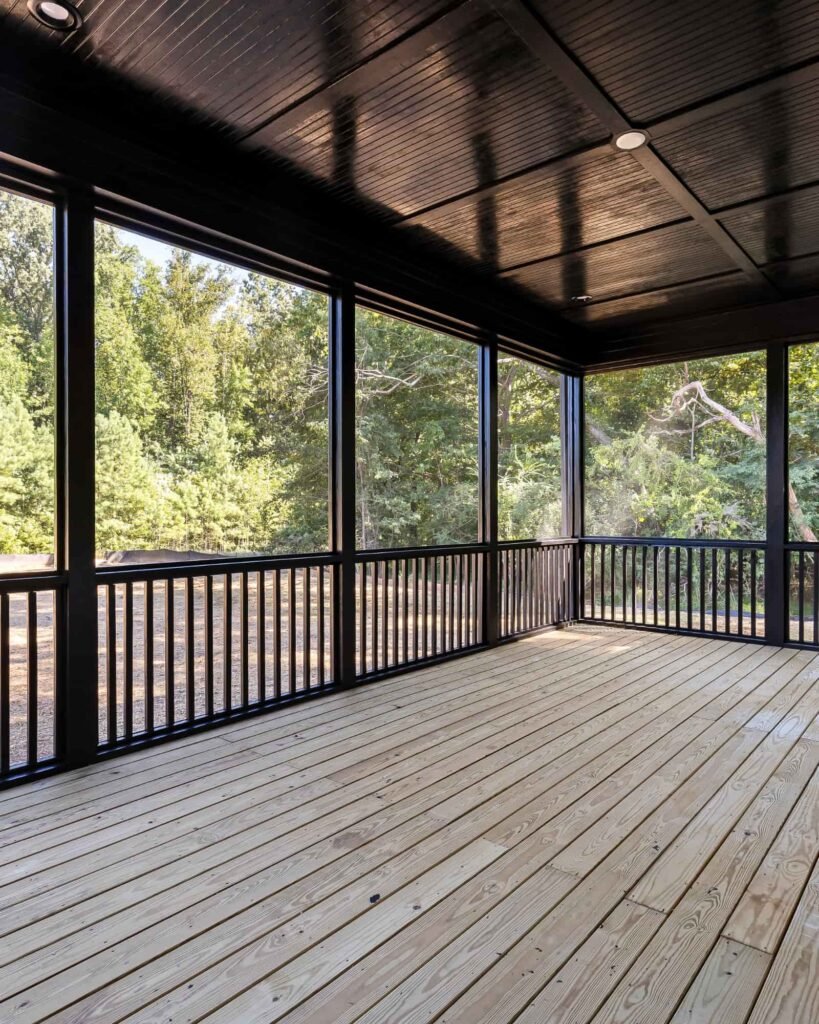
Why Middle GA Homeowners Choose Alcord Construction for Room Additions?
Alcord Construction delivers careful, integrated room additions that expand your home without looking like afterthoughts. We build additions that match your home’s architecture, build solid foundations and structures that meet current codes, seamlessly connect new space to existing rooms, and complete every detail from electrical and plumbing to flooring and trim—ensuring structural integrity with finishes that blend perfectly. With extensive experience throughout Sandersville, Dublin, Milledgeville, Macon, Warner Robins, Perry, and surrounding Middle Georgia areas, we bring thoughtful planning and proven expertise to every addition project.
Our Services
Our Service Areas
- Sandersville
- Dublin
- Milledgeville
- Macon
- Warner Robins
- Perry
- Surrounding Middle Georgia communities
Learn More
Room Additions in Middle Georgia: Expanding Without Moving
Adding space to your existing home solves crowding problems without the massive disruption and expense of relocating. A well-planned room addition provides the extra square footage you need while allowing you to stay in the neighborhood you know, keep the features you love about your current home, and avoid the stress and costs associated with buying and selling property. When executed properly with careful design and quality construction, room additions integrate so seamlessly they appear original to the house while dramatically improving functionality and increasing market value.
Why Room Additions Make More Sense Than Moving
Most homeowners facing space constraints immediately consider moving. However, adding to your existing home often provides better value and fewer headaches than relocating.
Moving costs add up quickly. Real estate commissions typically consume 5-6% of your sale price. Closing costs, moving expenses, immediate repairs or updates needed in a new house, and the time cost of searching, packing, and settling into unfamiliar surroundings—these factors make moving expensive beyond just the price difference between homes.
Room additions let you create exactly the space you need rather than compromising on an existing home that’s almost right. You control the design, materials, and quality. You get precisely what you want rather than accepting what’s available on the market.
Staying in your current home preserves relationships with neighbors, keeps children in familiar schools, maintains your commute patterns, and allows you to keep the features you love about your property—the mature trees, the perfect lot, the neighborhood you’ve invested in.
Market conditions also affect whether moving or adding makes more sense. When home prices are high, adding space costs less than trading up. When inventory is limited, finding the right home becomes difficult and competitive. Adding space when you already own a home you mostly love often proves more practical than searching for something marginally better.
Room additions also increase your home’s value, typically returning 50-75% of costs when you sell. While this doesn’t represent full cost recovery, it’s better than many improvements and provides value through years of use before any sale occurs.
Understanding What Room Additions Actually Involve
Room additions aren’t just building new rooms—they’re integrating new construction with existing structures in ways that create unified, functional spaces. This complexity separates additions from new construction or simple remodeling.
Foundation Work
Every addition needs proper foundation supporting it. This might be a full basement extending your existing basement, a crawl space matching your home’s foundation type, a slab foundation for single-story additions, or piers for additions over existing lower levels.
Foundation work must tie into your existing foundation structurally while accommodating differences in elevation, soil conditions, and structural systems. Poor foundation connections create separation between old and new, causing cracks, uneven floors, and structural problems.
Foundation work also requires excavation, which can be complex near existing structures. Utilities might need relocating. Drainage must direct water away from both new and existing foundations. These complications make foundation work for additions more involved than new construction foundations.
Structural Integration
New framing must connect securely to existing structure. This involves opening exterior walls, installing proper headers, tying new floor systems to existing floors, connecting roof structures, and ensuring the combined structure works as an integrated system rather than two separate buildings pushed together.
Structural integration requires understanding how your existing home is framed. Older homes might use different framing methods than current standards. Hidden structural elements might not be where you expect. Tying into existing structure without weakening it requires knowledge and care.
Load paths must be continuous from roof through walls to foundation. Adding weight from a new second story or roof structure requires verifying existing walls and foundation can handle additional loads or reinforcing them appropriately.
Blending Old and New
Making additions look original rather than obviously added requires matching architectural details, rooflines, siding materials, window styles, trim profiles, and countless other elements. Even small mismatches make additions look like afterthoughts.
However, perfect matching isn’t always possible or even desirable. Discontinued materials might not be available. Older construction methods might not meet current codes. Sometimes complementary design works better than attempted matching.
Experienced designers understand when to match precisely and when to create complementary design that clearly integrates while acknowledging the addition is new. Poor design creates awkward transitions and additions that look wrong.
Systems Integration
New space needs heating and cooling, electrical service, plumbing, and often new ductwork or plumbing runs. Integrating these systems with existing infrastructure while maintaining capacity and efficiency requires planning.
HVAC systems sized for your existing home might not have capacity for additional square footage. Electrical panels might need upgrading to serve additional circuits. Plumbing might need new supply lines and drain connections. These systems integrations affect budgets and construction timelines significantly.
Interior Transitions
Where new space connects to existing rooms affects how well additions function. Door placement, ceiling height transitions, flooring connections, and how traffic flows between old and new—these details determine whether additions feel integrated or awkward.
Poor transitions create spaces that don’t quite work. A beautiful new room that’s awkward to access doesn’t serve its purpose well. A family room addition that forces traffic through bedrooms creates privacy problems. Thoughtful design considers not just the new space but how it relates to existing home circulation.
Common Types of Room Additions and Their Considerations
Different addition types suit different needs and present unique challenges.
Bedroom and Bathroom Additions
Adding bedrooms and bathrooms addresses growing family needs, creates space for aging parents, or adds guest accommodations. These additions require proximity to existing bedrooms, adequate HVAC capacity for comfortable sleeping, bathroom plumbing integration, and consideration of privacy and noise.
Bedroom additions can be single rooms or master suite complexes with bedrooms, bathrooms, and closets. They can extend first floors or add second stories. Location significantly affects how well they function—bedrooms work best clustered together away from active living spaces.
Bathroom additions require careful plumbing planning. Locating new bathrooms near existing plumbing reduces costs. However, function should drive location rather than just choosing the cheapest plumbing route.
Kitchen Expansions
Kitchen additions expand cramped cooking areas into spaces accommodating modern layouts, islands, and eating areas. These additions require structural work opening walls between old and new, extensive plumbing and electrical work, HVAC integration for often large spaces, and careful design ensuring the expanded kitchen flows logically.
Kitchen additions often involve moving appliances, replumbing completely, and essentially creating new kitchens that happen to incorporate some existing space. These projects rank among the most complex additions because kitchens involve every building trade and extensive finish work.
Family Room and Living Space Additions
Adding family rooms or expanding living areas creates space for entertainment, relaxation, and family gathering. These additions benefit from connection to kitchens for entertaining, abundant natural light from generous windows, vaulted or raised ceilings creating volume, and flexible space allowing furniture arrangement.
Great room additions that combine living, dining, and kitchen areas in one large space have become popular. These require structural design supporting large open spans, careful HVAC design maintaining comfort in large volumes, and thoughtful space definition preventing areas from feeling empty or undefined.
Home Office Additions
Remote work has made dedicated office space essential for many homeowners. Home office additions require separation from household noise and activity, adequate electrical for computers and equipment, proper lighting for productivity, and professional appearance for video calls.
Office additions can be small dedicated rooms or larger spaces accommodating multiple people. Location matters—offices near main entries work well for meeting clients. Offices in quiet areas away from household activity promote concentration.
In-Law Suites
In-law suites provide private living quarters for aging parents or adult children. Successful suites include private bedroom and bathroom, kitchenette or full kitchen, separate entrance when possible, and accessibility features for aging residents.
In-law suites work best with some separation from main living areas while remaining connected. Ground floor locations eliminate stair concerns. Proximity to shared spaces allows family interaction while maintaining independence.
Sunrooms and Four-Season Rooms
Sunrooms expand living space into light-filled areas connecting with outdoor views. Four-season rooms include full HVAC making them usable year-round. These additions require abundant windows maximizing light and views, proper solar orientation managing heat gain, adequate insulation and HVAC for comfort, and durable flooring handling traffic and potential moisture.
Three-season rooms without full HVAC cost less but have limited use during temperature extremes. Four-season rooms cost more but function as true year-round living space.
Second Story Additions
When lot size limits horizontal expansion, second story additions provide square footage by building up. These additions require existing structure capable of supporting additional weight, stairway space consuming first floor area, and significant disruption to existing living areas during construction.
Second story additions are complex and expensive per square foot. However, they maximize square footage on small lots and avoid yard space consumption. They’re particularly valuable in established neighborhoods where lots are small and expanding horizontally isn’t practical.
Design Considerations That Determine Success
Addition design determines whether new space functions well and integrates successfully with existing homes.
Matching Architectural Style
Additions should complement your home’s architecture. Attempting to add modern additions to traditional homes or vice versa usually looks awkward. Rooflines, siding materials, window styles, trim details, and proportions should relate to existing architecture.
However, matching doesn’t mean copying perfectly. Complementary design that acknowledges the addition is new while fitting the overall home often works better than forced matching. Experienced designers understand these nuances.
Roof Integration
How additions connect to existing roofs significantly affects appearance and function. Poor roof connections look awkward and create potential leak points. Quality roof integration requires matching pitches when appropriate, creating logical valleys and transitions, avoiding awkward roof planes that collect debris or shed water poorly, and ensuring all connections are properly flashed and waterproofed.
Simple gable or hip roof forms integrate more easily than complex rooflines. However, your existing roof form might require complex integration to look right.
Scale and Proportion
Addition size must relate appropriately to existing home size. Oversized additions overwhelm original structures and look unbalanced. Undersized additions might not provide adequate space to justify their cost and complexity.
Addition height should relate to existing home height. Single-story additions on two-story homes need careful design avoiding awkward proportions. Second story additions must maintain appropriate scale rather than making homes look top-heavy.
Natural Light
Room additions provide opportunities to incorporate generous windows bringing natural light deep into homes. This is particularly valuable if existing homes are dark. However, window placement requires thought about solar heat gain, privacy, views worth capturing, and how rooms will be furnished.
South-facing windows provide winter heating benefits but need shading in summer. North-facing windows provide even light without heat issues. East windows admit morning light while west windows bring afternoon heat. These considerations affect both comfort and energy costs.
Traffic Flow and Access
How people move through homes affects daily function more than most homeowners realize. Additions should improve circulation rather than creating awkward traffic patterns. Common problems include forcing traffic through bedrooms to reach additions, creating dead-end rooms requiring backtracking, requiring long walks through multiple rooms to reach destinations, and placing frequently used spaces far from entries or activity centers.
Good design considers circulation as carefully as individual rooms. Traffic should flow logically with minimal interference between different household activities.
Future Flexibility
Today’s needs might change. Designing with some flexibility allows spaces to adapt. Home offices can become bedrooms later. Large flexible spaces accommodate changing furniture arrangements and uses. Including adequate electrical and data capacity supports changing technology needs.
Building inflexibly for one specific use might require later modifications. Some flexibility costs little during construction but provides valuable adaptability.
Navigating Permits, Codes, and Regulations
Room additions require extensive permitting and must meet numerous code requirements. Understanding these processes helps set realistic expectations.
Why Addition Permits Are Complex
Adding to existing homes triggers requirements beyond new construction. Additions must comply with current codes even if existing homes were built to older standards. This sometimes requires upgrading portions of existing homes to meet current requirements.
Zoning regulations limit where you can build and how large additions can be. Setback requirements specify minimum distances from property lines. Lot coverage limits restrict the percentage of lots that can be built on. Height restrictions limit structure height. These regulations might prevent the addition you envision or require design modifications.
Historic district regulations sometimes restrict additions on properties within protected areas. Homeowner association rules might limit addition appearance or size. Easements across your property might prevent building in certain areas.
Thorough research before design prevents discovering partway through planning that your intended addition violates restrictions.
The Permitting Process Timeline
Addition permits take time to obtain. Process timelines vary by jurisdiction but typically include plan preparation requiring architectural drawings, permit application submission and initial review, review period where plans are examined for code compliance, revision requests addressing reviewer concerns, resubmission and additional review, and finally permit issuance after approval.
This process typically takes 4-12 weeks depending on jurisdiction complexity and project scope. It cannot be rushed and must be completed before construction begins. Starting construction before permit approval risks stop-work orders and fines.
Inspection Requirements
Construction proceeds through stages requiring inspections at specific points. Typical inspections include foundation inspection after excavation before concrete pour, framing inspection after structure is complete before insulation, rough-in inspections for electrical, plumbing, and HVAC before walls close, insulation inspection verifying proper installation, and final inspection verifying all work meets code before occupancy.
Failed inspections require corrections before proceeding. This is normal and ensures work meets standards. Professional contractors expect inspections and build to code, minimizing failures.
Setback and Zoning Compliance
Setback requirements specify minimum distances structures must maintain from property lines. Front, rear, and side setbacks often differ. Additions violating setbacks require variance applications—special permission to deviate from standard rules.
Variances aren’t guaranteed. They require demonstrating hardship—that strict setback application prevents reasonable property use. Neighboring property owners are notified and can object. Variance processes add months to timelines and cost.
Verifying setback compliance before design prevents expensive design changes or variance applications later.
Code Updates Affecting Existing Homes
Current building codes often exceed standards when your existing home was built. Adding space sometimes triggers requirements to upgrade existing systems. You might need to add smoke detectors throughout existing areas, upgrade electrical panels for current capacity, improve egress windows in existing bedrooms, or meet current energy codes for both new and existing space.
These requirements increase costs beyond just the addition itself. However, they improve safety and home performance. Professional contractors anticipate likely upgrade requirements and include them in budgets.
Construction Process and Timeline Expectations
Understanding addition construction helps set realistic expectations about disruption and completion timelines.
Site Preparation and Foundation Work
Construction begins with site preparation including establishing temporary power and water, protecting existing landscaping, excavating for foundations, installing foundation forms, pouring concrete foundations, and allowing proper curing time.
Foundation work involves heavy equipment near your home. Lawns suffer from equipment traffic. Excavation creates large dirt piles requiring management. This phase is messy but relatively brief—typically 1-3 weeks depending on addition size and foundation type.
Framing and Shell Construction
After foundations cure, framing begins. This includes building floor systems if applicable, erecting walls and installing windows and doors, framing roof structure, installing roofing and establishing weather-tight shells, and connecting new framing to existing structure.
Framing proceeds quickly relative to other phases—a simple addition might be framed in a week while complex additions take longer. Opening your home’s exterior to connect new construction creates vulnerability to weather. Contractors schedule this work monitoring forecasts and work quickly to close openings.
Systems Rough-In
Once framing is complete, trades install systems. Plumbers run supply lines and drains. Electricians run wiring and install boxes. HVAC contractors install ductwork and equipment. These trades work simultaneously, requiring coordination to avoid conflicts.
Rough-in work is followed by inspections before walls close. Corrections from inspections must be addressed before proceeding. This phase typically takes 2-4 weeks depending on addition complexity.
Insulation and Drywall
After rough-in inspections pass, insulation is installed and inspected. Then drywall installation proceeds through hanging sheets, finishing joints, sanding smooth, and priming for paint.
Drywall creates substantial dust despite precautions. Contractors should seal existing spaces from construction areas with plastic barriers and negative air pressure when possible. This phase takes 1-3 weeks including drying time between finishing coats.
Interior Finishing
Finish work brings additions to completion. This includes installing interior trim and doors, painting walls and ceilings, installing flooring, setting plumbing and electrical fixtures, installing cabinets if applicable, and completing all detail work.
Finishing work proceeds more slowly than framing because detail matters. Rushing finishing ruins otherwise quality construction. This phase often takes longer than homeowners expect—typically 3-6 weeks depending on addition size and complexity.
Final Inspections and Completion
After construction completes, final inspections verify all work meets code. The contractor addresses any final punch list items. Spaces are cleaned and prepared for use. This final phase takes 1-2 weeks.
Overall Timeline Expectations
Simple room additions typically take 3-5 months from permit submission to completion. Complex additions or those involving extensive existing home modifications take 6-8 months. Second story additions often require 6-9 months due to complexity.
These timelines assume no major permit delays, reasonable weather allowing exterior work, and no significant surprises discovered during construction. Include some buffer time in planning to accommodate inevitable minor delays.
Managing Life During Addition Construction
Living in your home during addition construction requires patience and planning. Understanding what to expect helps reduce stress.
Construction Disruption
Addition construction disrupts daily life. Noise from power tools and equipment, workers arriving early and working throughout days, reduced parking from contractor vehicles and material deliveries, and dust migrating into existing spaces despite barriers all affect comfort.
Opening existing exterior walls creates temporary vulnerability to weather and insects. Existing HVAC systems might struggle during these periods. Temporary loss of utilities might be necessary during connection work.
The disruption is temporary—typically a few months. However, it’s significant during construction. Planning for this reality helps mentally prepare for the experience.
Protecting Your Existing Home
Contractors should protect existing areas from construction damage. This includes plastic barriers sealing construction areas, floor protection where workers walk through existing spaces, dust control measures minimizing migration, and daily cleanup reducing mess.
Despite precautions, some dust and disruption are inevitable. Removing valuable items from construction areas prevents damage. Moving furniture away from walls being opened protects it.
Communication and Access
Clear communication with contractors reduces frustration. Daily or weekly updates help you understand progress and upcoming work. Discussing worker arrival times and access needs prevents surprises.
Providing clear access to construction areas while securing areas you want workers to avoid helps everyone. Some homeowners establish specific routes through homes for workers, protecting other areas.
Safety Considerations
Construction sites create safety hazards. Children and pets should be kept away from work areas. Open excavations, electrical work, and tools present dangers. Establishing clear rules about access protects your family.
Contractors should maintain safe sites, but homeowners share responsibility ensuring family members avoid hazards.
Regional Considerations for Middle Georgia Additions
Local climate, soil conditions, and building characteristics affect how additions should be designed and built in Middle Georgia.
Foundation Challenges
Middle Georgia soils range from expansive clays to sandy loams. Clay soils expand when wet and shrink when dry, creating movement that affects structures. Proper foundation design accommodates this movement through adequate depth, appropriate footings, and proper drainage controlling moisture near foundations.
Matching existing foundation types when possible simplifies integration. However, current codes might require different approaches than older construction used. Experienced contractors understand local soil behavior and design appropriately.
Humidity and Moisture Management
Middle Georgia’s humid climate creates condensation risks in walls and attics. Proper vapor barriers, ventilation, and insulation prevent moisture problems. These considerations are particularly important where new construction connects to existing homes—thermal bridges and air leakage points create condensation problems if not properly detailed.
Crawl spaces beneath additions need proper moisture control through vapor barriers, ventilation, or encapsulation. Inadequate moisture control creates mold, rot, and indoor air quality problems.
Energy Efficiency Integration
Current energy codes exceed standards when older homes were built. Additions built to current codes are often significantly more efficient than existing spaces. This can create comfort imbalances—new rooms stay comfortable while existing areas struggle.
Addressing this might require upgrading insulation in existing areas, improving air sealing throughout, or increasing HVAC capacity. Good addition design considers the home as a system rather than just adding new space.
Matching Existing Materials
Matching siding, brick, roofing, and trim materials can be challenging. Discontinued products might not be available. Weathering causes existing materials to age differently than new materials. Perfect matching isn’t always possible.
Sometimes complementary materials work better than attempted matching. Experienced contractors and designers know when to match and when to create intentional contrast that looks designed rather than mismatched.
Storm Considerations
Middle Georgia experiences severe thunderstorms, occasional tornadoes, and tropical storms. Additions should be built to same wind load and weather resistance as primary structures. This includes proper roof attachment, adequate window and door installation, and appropriate construction techniques resisting wind and water intrusion.
Cost Considerations and Budgeting
Room additions represent significant investment. Understanding cost factors helps create realistic budgets.
What Drives Addition Costs
Addition costs vary widely based on size—larger additions have lower per-square-foot costs due to fixed costs spreading over more area, complexity of design and structural integration, foundation type required, quality of finishes selected, and systems work required for integration.
Simple rectangular single-story additions cost less per square foot than complex designs or second story additions. Basic finishes cost less than custom or luxury materials. However, costs shouldn’t drive every decision—sometimes spending more delivers significantly better results.
Cost Per Square Foot Ranges
Simple additions with basic finishes might cost $150-200 per square foot. Mid-range additions with quality finishes typically run $200-300 per square foot. Complex or luxury additions can exceed $300-400 per square foot.
These ranges are general estimates. Actual costs depend on your specific situation, local material and labor costs, and project specifics. Multiple quotes from qualified contractors provide realistic expectations for your project.
Hidden Costs to Anticipate
Beyond basic construction costs, anticipate expenses for permit and engineering fees, temporary housing if construction makes staying home impractical, eating out more frequently during kitchen work, landscaping restoration after construction, furniture and window treatments for new spaces, and potential HVAC upgrades or utility connection fees.
These ancillary costs can add 10-20% to construction costs. Budgeting only for construction without accounting for these extras creates shortfalls.
Financing Options
Room addition financing options include home equity loans providing fixed rates and predictable payments, home equity lines of credit offering flexibility to draw as needed, cash-out refinancing replacing your mortgage with a larger loan, or construction loans specifically designed for building projects.
Each option has advantages depending on your financial situation, equity position, and interest rate environment. Consulting with lenders helps determine the best approach.
Return on Investment
Room additions typically return 50-75% of costs when you sell depending on addition type, quality, local market conditions, and whether additions create better conformity with neighborhood homes.
However, ROI statistics miss usage value during ownership. If you use and enjoy new space for years before selling, the value received exceeds just resale return. Addition ROI should be evaluated over your expected ownership period, not just potential resale impact.
The Alcord Construction Room Addition Approach
Different contractors approach additions differently. Our methods prioritize integration, quality, and creating spaces that feel original to homes.
Thoughtful Design and Planning
We begin every addition project understanding your needs and vision. This includes discussing how you’ll use new space, evaluating your home’s architecture and structure, designing additions that integrate visually and functionally, planning systems integration, and creating realistic budgets and timelines.
Good design prevents problems and creates spaces you’ll love long-term. We invest adequate time in planning because it determines project success.
Complete Permitting and Engineering
We handle all permitting and engineering requirements including architectural drawings meeting local requirements, structural engineering ensuring proper design, permit applications and coordination with authorities, and managing inspection schedules.
Permitting complexity frustrates homeowners attempting to handle it themselves. We manage this process as part of our service.
Quality Structural Construction
We build additions on solid foundations using proper techniques. This includes appropriate foundation design for local soils, proper structural integration with existing homes, quality framing meeting current codes, secure connections throughout, and building to standards ensuring long-term performance.
Structural quality isn’t visible in finished projects but determines whether additions perform properly for decades.
Systems Integration Expertise
We properly integrate HVAC, electrical, and plumbing systems. This includes evaluating existing system capacity, sizing additions appropriately, making secure connections meeting codes, and ensuring the complete home works as an integrated system.
Poor systems integration creates comfort problems, code violations, and inefficient operation. We plan and execute these integrations properly.
Quality Finishes Throughout
We complete additions with careful attention to finishing details. This includes matching or complementing existing finishes, precise trim work and carpentry, quality flooring installation, professional painting, and careful detail work making transitions seamless.
These finishing details determine whether additions look integrated or obviously added. We take pride in work that looks original.
Clear Communication and Project Management
You shouldn’t wonder what’s happening with your project. We maintain clear communication through regular progress updates, prompt responses to questions, coordination with inspectors and trades, and managing schedules to complete work efficiently.
Addition projects involve significant disruption. Clear communication helps minimize stress and ensures you understand what to expect.
Middle Georgia Experience
Throughout Sandersville, Dublin, Milledgeville, Macon, Warner Robins, Perry, and surrounding Middle Georgia communities, we’ve built additions that integrate seamlessly with existing homes. Our regional experience means we understand local soil conditions, foundation requirements, matching materials for existing homes, and building methods that perform well in Middle Georgia’s climate. Our reputation depends on additions that enhance homes rather than looking like awkward additions.
Expand Your Middle Georgia Home With Seamless Room Additions
Room additions solve space constraints without forcing you to leave homes and neighborhoods you love. If you’re dealing with inadequate space for growing families, need dedicated home offices, want to accommodate aging parents, or simply need more room for comfortable living, professional room additions deliver the space you need while increasing your home’s value and appeal.
Alcord Construction brings thoughtful planning and proven expertise to every addition project. We handle all phases including careful design, complete permitting, solid foundation work, quality construction, systems integration, and detailed finishing. You receive honest assessment, skilled craftsmanship, and additions that look and function as though they were always part of your home.
Throughout Sandersville, Dublin, Milledgeville, Macon, Warner Robins, Perry, and surrounding Middle Georgia communities, we deliver room additions that homeowners depend on.