Professional Deck, Porch & Patio Construction
in Middle Georgia
Your outdoor space shouldn’t be rotting, unstable, or too small to use every time you step outside. With professional deck, porch, and patio construction from Alcord Construction, you can add functional outdoor living areas built with quality materials and solid construction—without worrying about structural failures or premature deterioration. Our team handles everything from design and permitting to framing and finishing so you get outdoor spaces that enhance your home, expand your usable area, and stand up to Middle Georgia weather for decades.
Common Deck, Porch & Patio Problems
in Middle GA Homes
- Rotted boards, loose railings, and failing joists creating safety hazards and structural concerns
- Inadequate size limiting how you can use outdoor spaces for entertaining or relaxation
- Poor drainage causing water pooling, wood deterioration, and foundation problems
- Outdated designs with missing features like proper lighting, seating, or weather protection
- Code violations from DIY construction threatening safety and creating resale complications
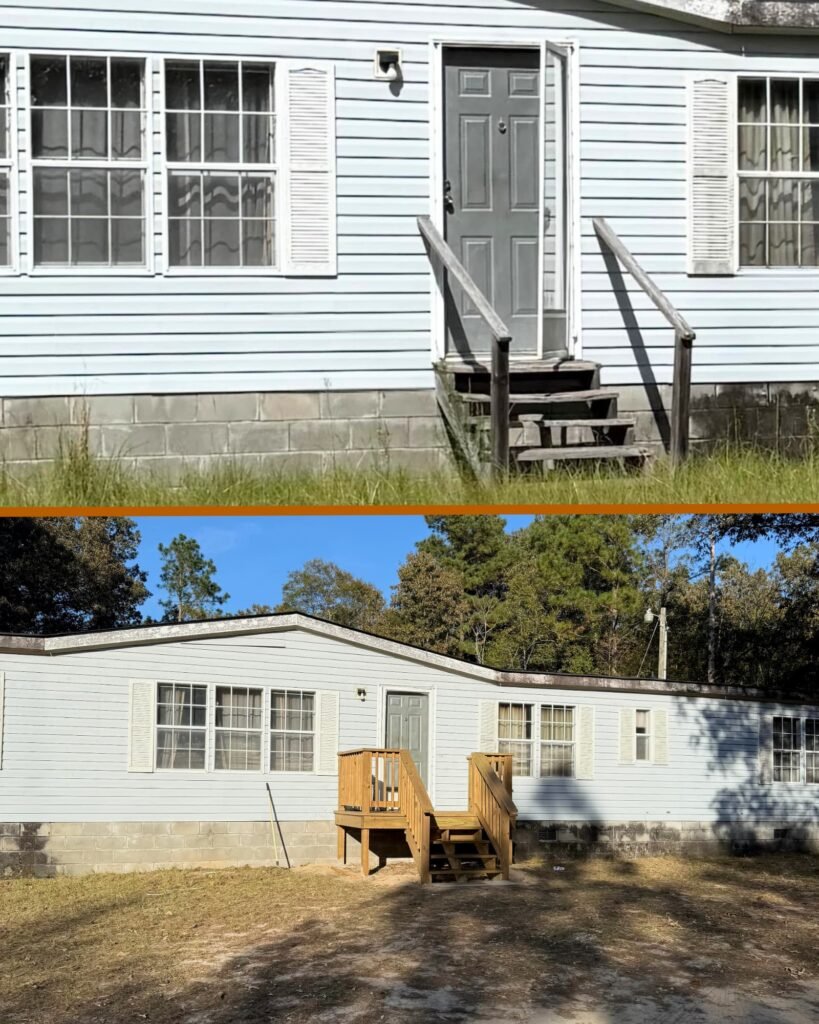
Why Middle GA Homeowners Choose Alcord Construction for Deck, Porch & Patio Construction?
Alcord Construction delivers thoughtful, structurally sound deck, porch, and patio construction that expands your living space and adds lasting value to your home. We design layouts that match how you’ll actually use the space, build solid frames with proper footings and drainage, install quality decking and railings, and complete every detail from stairs to finishing touches—ensuring safety and durability with professional craftsmanship. With extensive experience throughout Sandersville, Dublin, Milledgeville, Macon, Warner Robins, Perry, and surrounding Middle Georgia areas, we bring proven expertise and straightforward communication to every outdoor construction project.
Our Services
Our Service Areas
- Sandersville
- Dublin
- Milledgeville
- Macon
- Warner Robins
- Perry
- Surrounding Middle Georgia communities
Learn More
Deck & Porch Construction in Middle Georgia: Extending Your Home Outdoors
Outdoor living spaces fundamentally change how you experience your home. A well-designed deck or porch provides room for entertaining, quiet morning coffee, family dinners, and simply enjoying pleasant weather. These spaces extend your functional living area at a fraction of the cost per square foot of interior additions. When built correctly with quality materials and proper techniques, decks and porches deliver decades of service while significantly increasing your home’s value and appeal.
Why Quality Outdoor Construction Matters
Most people don’t fully appreciate what distinguishes professionally built decks and porches from amateur construction until they’ve experienced both. The differences aren’t always immediately visible but become obvious over time.
Structural integrity forms the foundation of any outdoor construction. Decks and porches must support substantial weight—people, furniture, planters, snow loads in some climates. They must resist lateral forces from wind and racking. They must remain stable as ground shifts and materials expand and contract with temperature and moisture changes. Inadequate structural design or execution creates safety hazards that worsen over time.
Proper construction also determines longevity. Water is the enemy of outdoor structures. How a deck or porch is built determines whether water drains away properly or collects and causes rot. Flashing details at the ledger board—where the deck attaches to the house—either protect your home from water intrusion or channel water into wall cavities where it causes extensive damage. Joist spacing, decking fastening, and material selection all affect how well structures withstand weather exposure.
Professional construction also means code compliance. Building codes exist for good reasons—they ensure safety. Decks and porches require permits in most jurisdictions because structural failure can cause serious injury. Professionally built structures meet code requirements for footing depth, joist sizing, railing height, stair dimensions, and dozens of other specifications. DIY or unlicensed construction often violates codes, creating liability and complications when you sell.
Quality outdoor spaces also integrate thoughtfully with your home’s architecture and your yard’s topography. Proper design considers how you enter and exit, where the sun hits at different times, how the structure relates to your home’s style, and how it fits into your overall property. Poor design creates awkward transitions, unusable layouts, or structures that look like afterthoughts rather than intentional additions.
Recognizing When You Need a New Deck or Porch
Some situations clearly indicate you need outdoor construction. Others require more careful evaluation to determine whether repair or replacement makes sense.
Structural Problems That Demand Action
Certain conditions signal serious structural concerns requiring immediate attention. Decks separating from the house indicate ledger board failure—a dangerous condition that can lead to catastrophic collapse. Posts sinking or leaning show inadequate footings or soil settlement. Joists sagging between supports suggest undersized lumber, excessive span, or rot weakening structural members. Bouncy or springy feeling when walking indicates inadequate structure or deteriorating components.
These problems aren’t cosmetic. They represent safety hazards. Band-aid repairs rarely address underlying causes. Structural problems typically require substantial reconstruction or complete replacement.
Wood Rot and Deterioration
Wood exposed to weather eventually deteriorates, but how quickly depends on wood species, protective finishes, and construction quality. Surface checking—small cracks in wood surfaces—is normal and doesn’t indicate structural problems. However, soft, punky wood that your screwdriver easily penetrates indicates rot requiring attention.
Check areas most prone to moisture accumulation. Joist ends near the ledger board, posts at ground level, decking around planters or where debris accumulates, and horizontal surfaces that don’t drain well—these locations fail first.
Isolated rot might be repairable if caught early. Widespread rot indicates systemic moisture problems requiring reconstruction. Attempting to repair extensively rotted structures is false economy—you’re building new components onto a failing foundation.
Inadequate Size or Layout
Sometimes existing decks or porches are structurally sound but simply don’t meet your needs. A small deck that accommodates a grill but not seating wastes your outdoor space potential. A porch that’s too shallow to comfortably place furniture doesn’t serve its intended purpose. Layouts without logical traffic flow create awkward spaces people avoid using.
These situations justify construction even though nothing is failing. Adding usable outdoor living space provides tremendous value through increased enjoyment and home appeal.
Missing Features You Want
Existing structures might lack features that would make them more functional or enjoyable. Inadequate or missing lighting limits nighttime use. Lack of shade makes spaces unusable during hot afternoons. Missing built-in seating reduces usable space. No privacy screening leaves you feeling exposed. Absence of stairs or adequate access makes spaces awkward to use.
Sometimes these features can be added to existing structures. Other times, building new with integrated features makes more sense than trying to retrofit old construction.
Code Compliance Issues
Older decks and porches often don’t meet current building codes. Railing heights have increased over the years. Baluster spacing requirements have tightened to prevent small children from falling through. Ledger board attachment requirements have become more stringent after collapse incidents. Stair dimensions have specific code requirements often violated in older construction.
If you’re planning to sell soon, code violations discovered during inspections create complications. Buyers often request repairs or credits. In some cases, municipalities require bringing structures to code before sale is approved.
Even if you’re not selling, code violations represent real safety concerns. Current codes reflect accumulated knowledge about what prevents injuries and failures.
Choosing Between Decks and Porches
Both decks and porches extend outdoor living space, but they serve somewhat different functions and suit different situations.
Deck Characteristics and Advantages
Decks are freestanding or attached platforms typically built at or near main floor level. They’re open to sky and weather. Decks excel at providing accessible outdoor space from interior rooms, making efficient use of sloped or uneven yards, creating multiple levels that follow terrain, and providing the most square footage for construction investment.
Decks work particularly well when you want sun exposure for outdoor dining and entertaining, when yard space or terrain makes ground-level patios impractical, when adding space off upper floors, or when prioritizing cost-effective square footage over weather protection.
Modern composite decking has reduced maintenance requirements dramatically compared to traditional wood decks. Quality composites resist rot, don’t require staining or sealing, and maintain appearance with basic cleaning.
Porch Characteristics and Advantages
Porches are covered structures, typically at ground level or accessible from main entries. The defining feature is a roof that provides weather protection. Porches excel at creating comfortable spaces usable in various weather, protecting entries from rain and sun, adding architectural character to homes, and providing true outdoor rooms rather than just platforms.
Porches work particularly well when you want shaded outdoor living space, when you’d use covered space more than open sun exposure, when enhancing your home’s curb appeal and architectural presence, or when creating outdoor space that’s comfortable during Middle Georgia’s hot summers.
Porches generally cost more per square foot than decks due to roofing requirements and more complex construction. However, they provide year-round usability that open decks can’t match.
Combining Elements
Many homes benefit from both deck and porch elements. A covered porch at the main entry combined with an open deck off the back provides diverse outdoor spaces for different purposes. A partially covered deck offers both sun and shade options. Multi-level decks can include covered sections.
Thoughtful design considers how you’ll actually use outdoor space and creates structures that match those uses.
Material Selection for Outdoor Construction
Material choices dramatically affect appearance, maintenance requirements, cost, and longevity. Understanding options helps you make informed decisions.
Pressure-Treated Lumber—Traditional and Economical
Pressure-treated pine remains the most common choice for deck and porch framing. It’s economical, readily available, strong, and when properly treated, resists rot and insect damage. Modern treatment processes use safer chemicals than older treatments while still providing protection.
Pressure-treated lumber works well for structural components—joists, beams, posts. It’s adequate for decking and railings but requires regular maintenance including annual cleaning and staining or sealing every 2-3 years. Without maintenance, treated lumber weathers to gray and degrades faster.
Not all pressure-treated lumber is equal. Ground contact-rated lumber contains higher chemical concentrations necessary for posts and components touching soil. Above-ground rated lumber suffices for elevated components. Incised lumber—with small slits cut into the surface—accepts treatment deeper into the wood and lasts longer.
Quality also varies by grade. Select or premium grades have fewer knots and defects than standard grades. For visible components like decking and railings, higher grades provide better appearance and performance.
Composite Decking—Low Maintenance Alternative
Composite decking materials combine wood fibers with plastic polymers. Quality composites resist rot, insect damage, splitting, and warping. They don’t require staining or sealing. They maintain color better than wood. They’re available in various colors and textures.
However, composites cost significantly more than pressure-treated lumber. They can’t be used for structural components—framing still requires wood or steel. They expand and contract more than wood with temperature changes, requiring attention to fastening and gap requirements. Lower-quality composites fade, stain, and show scratches more than premium products.
If low maintenance is a priority and budget allows, quality composite decking delivers excellent long-term value. If budget is tight, treated lumber with proper maintenance also performs well.
Cedar and Redwood—Natural Beauty
Cedar and redwood offer natural rot resistance without chemical treatment. They’re beautiful, stable, and pleasant to work with. They’re popular for visible components like decking and railings where appearance matters.
However, cedar and redwood cost substantially more than treated lumber. Even these naturally resistant woods require regular sealing to maintain color and resist weathering. They’re softer than treated southern pine and dent more easily. They’re not appropriate for structural components requiring strength.
For high-end projects where appearance justifies cost, cedar or redwood decking with treated lumber framing provides excellent results. For budget-conscious projects, treated lumber throughout makes more sense.
Metal and Vinyl Railings
Traditional wood railings require maintenance and eventually rot at ground connections. Metal and vinyl railing systems offer alternatives with different characteristics.
Aluminum railings resist corrosion, require minimal maintenance, and offer clean, contemporary appearance. They’re strong and durable but cost more than wood. Cable railings using metal posts and steel cables provide modern aesthetic with minimal visual obstruction.
Vinyl railings require minimal maintenance and won’t rot. However, they’re not as strong as wood or metal. They can become brittle in cold weather and may crack from impact. Quality varies dramatically between manufacturers.
Each railing material has appropriate applications. Choice depends on aesthetic preferences, maintenance willingness, and budget.
Critical Construction Details That Determine Longevity
Certain construction details matter more than others in determining whether outdoor structures last decades or fail within years. Professional builders understand and execute these details properly.
Ledger Board Attachment—Your Home’s Protection
The ledger board—where decks attach to houses—is the most critical connection and most common failure point. Improper ledger attachment has caused numerous deck collapses. Proper attachment requires through-bolts or lag screws into band joists or floor framing, proper spacing and size based on load calculations, flashing installed above and integrated with house wrap to prevent water intrusion, and spacers or washers allowing water drainage behind the ledger.
Attaching ledgers to brick veneer or siding without reaching solid framing is dangerous and violates code. Ledgers must connect to structural components capable of supporting loads. Using nails instead of bolts or lag screws is inadequate—nails pull out under stress.
Water intrusion at the ledger board causes extensive damage to homes. Proper flashing installation prevents this, but many builders skip or improperly install flashing because it’s hidden once decking is installed.
Footing Depth and Design
Posts supporting decks and porches must rest on footings that extend below frost line and bear on undisturbed soil. Footing requirements vary by local code based on soil conditions and frost depth. Shallow footings allow frost heaving that shifts structures and causes failure.
Footings must be sized for the loads they support. Undersized footings settle into soil over time, causing posts to sink and structures to sag or separate from houses. Proper footing design considers total load including dead load (structure weight) and live load (people, furniture, snow).
Post connections to footings must prevent lateral movement while allowing moisture drainage. Posts set directly in concrete often rot at the concrete line where moisture accumulates. Proper connectors elevate posts slightly while securing them against movement.
Joist Sizing and Spacing
Joists must be sized and spaced appropriately for spans and loads. Undersized joists or excessive spacing creates springy, bouncy decks that feel unsafe and actually are structurally inadequate. Building codes specify maximum spans for various joist sizes and spacing.
Joist sizing also considers whether the structure will support heavy loads like hot tubs or extensive built-in features. Assuming standard residential loading when special loads will be present leads to inadequate structure.
Joist connections to beams require proper hangers or ledger attachment. Joist hangers must be sized for the joists and fastened with proper fasteners—not all nails are rated for structural hangers.
Drainage and Slope
Water must drain off and away from structures. Decking should be installed with slight gaps allowing water to pass through. The supporting structure should slope away from the house slightly so water runs off rather than pooling. Ground below decks should slope for drainage.
Flat, poorly drained areas beneath decks stay wet and promote rot in structural members. Standing water attracts mosquitoes and creates unpleasant environments.
Roof systems on porches must be properly sloped with adequate drainage. Gutters should direct water away from the structure and the house foundation.
Proper Fastening
How components are fastened together affects structural integrity and longevity. Decking fastened with screws resists cupping and loosening better than nailed decking. Structural connections require proper fasteners—not just whatever fasteners are convenient.
Stainless steel or coated fasteners resist corrosion. Standard steel fasteners rust quickly and fail, particularly with treated lumber which accelerates corrosion.
Overdriving fasteners weakens connections. Underdriving leaves fasteners proud where they catch feet and clothing. Proper fastening requires attention and appropriate tools.
Design Considerations for Functional Outdoor Spaces
Design affects how much you’ll actually use outdoor spaces. Thoughtful design creates areas you naturally gravitate toward. Poor design creates spaces that sit empty.
Size and Proportion
Decks and porches need adequate size for intended uses. A deck for dining should accommodate your table and chairs with circulation space around them—typically requiring 12×12 feet minimum. Entertaining spaces need room for furniture groupings and movement. Porches intended for seating need sufficient depth—8 feet minimum, 10-12 feet better.
Undersized spaces feel cramped and limit function. Oversized spaces can feel empty and cost more than necessary, though it’s generally better to build slightly larger than to regret insufficient space later.
Proportion matters. Long, narrow decks often don’t work as well as more square proportions. Space should feel balanced relative to the house size and yard.
Access and Traffic Flow
How people enter and exit outdoor spaces affects usability. Direct access from main living areas encourages use. Awkward access through laundry rooms or requiring navigation through multiple rooms discourages use.
Stairs should be located logically, typically where people naturally want to access the yard. Wide, comfortable stairs feel more inviting than narrow, steep stairs. Landings provide resting points on long stair runs.
Multiple access points improve traffic flow for entertaining. If your deck or porch connects to both the kitchen and living room, both connections get used.
Sun and Shade
Consider sun exposure at different times of day. West-facing decks receive intense afternoon sun in summer—often too hot for comfort without shade. South-facing spaces receive sun most of the day. North-facing areas stay shaded and cool.
Partial shade makes spaces more versatile. A porch roof provides shade. A pergola over part of a deck creates options. Positioning near trees provides natural shade, though falling leaves increase maintenance.
Middle Georgia summers are hot. Adequate shade makes outdoor spaces usable during peak heat. Without shade, decks often sit empty from June through September.
Privacy
Outdoor spaces feel more comfortable with some privacy from neighbors and street view. Privacy screening can be integrated during construction through strategic railing design, lattice panels, or planter locations. Natural screening from landscaping takes time to establish but provides attractive privacy.
Balancing privacy with openness prevents spaces from feeling closed in. Selective screening in key directions often works better than enclosing spaces completely.
Features and Amenities
Built-in features increase functionality. Built-in benches provide seating without requiring furniture. Planters integrate greenery. Lighting extends usability into evening hours. Electrical outlets allow music, lighting, and small appliances. Water access simplifies cleaning and plant watering.
Planning these features during design is easier and more effective than adding them later. Running electrical lines and plumbing before decking is installed is straightforward. Retrofitting requires accessing under-deck areas or running visible conduit.
Building Code Requirements and Permitting
Deck and porch construction requires permits in most jurisdictions. Understanding requirements helps you plan appropriately.
Why Permits Matter
Building permits aren’t just bureaucratic requirements. They ensure structures are designed and built to safety standards. Inspections catch problems before they’re hidden. Permits create records of approved construction that protect you legally and assist future owners.
Unpermitted construction creates multiple problems. It violates law and can result in fines. It complicates home sales—buyers’ lenders often won’t approve mortgages for homes with unpermitted structures. It leaves you liable if structural failures cause injuries. It provides no documentation that construction meets codes.
Some contractors offer to build without permits to save permit fees and inspection hassles. This is never advisable. The small savings creates large risks.
Common Code Requirements
While specific codes vary by jurisdiction, common requirements include minimum footing depth below frost line, maximum joist spans for various sizes and spacing, ledger attachment specifications and flashing requirements, railing height minimums (typically 36-42 inches), maximum baluster spacing (typically 4 inches to prevent small children from passing through), and stair dimensions including maximum rise, minimum run, and handrail requirements.
Professional contractors know local code requirements and design structures that comply. DIY builders often violate codes unknowingly, creating safety hazards and complications.
The Inspection Process
Typical deck or porch construction requires inspections at specific stages. Footing inspection occurs after holes are dug and before concrete is poured. Framing inspection happens after structure is complete but before decking is installed. Final inspection verifies all work meets code before the permit is closed.
Failing inspections isn’t unusual, particularly for complex projects. Inspectors identify issues requiring correction. Professional contractors correct identified problems and schedule re-inspection. This process ensures final structures meet safety standards.
Skipping inspections or building without permits means structures are never verified to meet codes. Problems that would be caught during inspections remain hidden until failures occur.
Regional Considerations for Middle Georgia
Local climate and conditions affect how outdoor structures should be built and what materials perform best.
Humidity and Wood Deterioration
Middle Georgia’s humid climate accelerates wood deterioration. Moisture remains in wood longer, providing ideal conditions for rot fungi. Structures need excellent drainage and airflow to remain dry enough to resist decay.
This means proper flashing and drainage details are even more critical than in dry climates. It also favors naturally rot-resistant woods or composite materials over standard pine for exposed components.
Finishes and sealers provide important protection for wood surfaces. Regular maintenance extends wood life significantly in humid climates.
Insect Pressure
Termites are common in Middle Georgia. All wood in contact with ground should be rated for ground contact. Even treated lumber isn’t immune if treatment levels are inadequate or if wood remains constantly moist.
Regular termite inspections should include deck and porch structures. Treating surrounding soil helps protect wooden structures.
Carpenter bees bore into untreated wood, particularly softwoods like pine. They prefer unpainted wood and often damage railings and posts. Painting or sealing wood provides some protection.
Intense Summer Sun
UV exposure degrades wood finishes and fades colors. South and west-facing structures receive maximum sun exposure. Finishes on these surfaces need refreshing more frequently than shaded areas.
Consider sun exposure when selecting materials and planning maintenance schedules. Composite decking with good UV inhibitors maintains color better than wood or lower-quality composites.
Intense sun also makes shade essential for summer comfort. Uncovered west-facing decks are often too hot for use during summer afternoons—shade structures or strategic positioning near trees greatly improves usability.
Soil Conditions
Middle Georgia soils vary from clay to sandy loam. Clay soils expand and contract with moisture changes, creating movement that affects structures. Sandy soils drain quickly but provide less bearing capacity.
Footing design should account for local soil conditions. Clay soils often require deeper footings or specialized design. Sandy soils may need larger footings to distribute loads adequately.
Professional contractors familiar with local conditions design appropriately. Contractors from other regions might not recognize how local soils affect construction requirements.
Maintenance Requirements for Long-Term Performance
Even well-built structures need maintenance. Understanding requirements helps you protect your investment.
Wood Structure Maintenance
Wood decks and porches require regular attention. Annual cleaning removes dirt, mildew, and biological growth that degrade wood surfaces. Pressure washing works but requires care—excessive pressure damages wood fibers. Chemical cleaners specifically for wood decking often work better with less potential for damage.
Sealing or staining should occur every 2-3 years, more frequently on surfaces with intense sun exposure. This protects wood from moisture and UV damage. Allowing wood to weather unprotected shortens lifespan significantly.
Inspect annually for rot, particularly in areas prone to moisture accumulation. Catch rot early and you might repair small sections. Ignore it and deterioration spreads, eventually requiring extensive reconstruction.
Tighten loose fasteners and replace damaged boards promptly. Small maintenance prevents larger problems.
Composite Decking Maintenance
Composite decking requires less maintenance than wood but isn’t maintenance-free. Annual cleaning removes dirt and organic growth. Most composites clean well with soap and water or composite-specific cleaners.
Some composites can be scratched or stained. Manufacturer instructions provide guidance on cleaning and maintaining specific products.
Even composites require structural inspection. The framing beneath composites is still wood and needs attention.
Porch Roof Maintenance
Porch roofs require the same maintenance as house roofs. Inspect shingles or metal roofing for damage. Keep gutters clean and functioning. Check flashing at wall connections. Address any leaks promptly before water damages roof structure or walls.
Paint or stain exposed wood components on schedule. Ceilings under porch roofs require periodic repainting.
Railing and Stair Safety
Railings and stairs take abuse and are critical for safety. Check regularly that all connections remain tight. Tighten loose fasteners immediately. Replace damaged components promptly.
Ensure railings remain at proper height—boards can warp or settle over time, reducing effective height below safe levels. Verify baluster spacing hasn’t opened beyond code limits.
Keep stairs clear of debris, moss, and algae that create slip hazards. Consider non-slip treatments for treads if they become slippery when wet.
The Alcord Construction Deck & Porch Building Approach
Different contractors approach outdoor construction differently. Our methods prioritize structural integrity, quality materials, and attention to details that determine long-term performance.
Thorough Planning and Design
We start every project understanding how you’ll use the space. This means discussing your vision and functional needs, evaluating your property’s characteristics and constraints, designing structures that integrate with your home’s style, planning for drainage and structural requirements, and creating realistic budgets and timelines.
Good design prevents problems and creates spaces you’ll actually use. We invest time in planning because it determines project success.
Proper Permitting and Code Compliance
We obtain required permits and schedule inspections for every project. This means submitting plans that meet code requirements, building structures designed for proper loads and spans, following code requirements for railings, stairs, and connections, and cooperating with inspectors to ensure work meets standards.
We never suggest building without permits. Code compliance protects you and ensures safety.
Structural Integrity Without Compromise
We understand that structures you stand on must be built correctly. Our construction includes properly sized and placed footings, correct ledger board attachment with proper flashing, adequate framing with proper joist and beam sizing, secure connections using proper fasteners and hardware, and drainage design that keeps structures dry.
These structural elements aren’t visible in finished projects but determine whether structures remain safe and functional for decades.
Quality Material Selection
We use materials appropriate for Middle Georgia conditions. This means pressure-treated lumber rated for ground contact where needed, quality composite decking when specified, stainless steel or coated fasteners that resist corrosion, and proper flashing materials for water protection.
We source materials from reliable suppliers and verify quality. Cheap materials compromise long-term performance.
Skilled Construction Craftsmanship
Our construction work includes precise cutting and fitting of all components, proper fastening techniques throughout, attention to level, plumb, and square, and careful detail work on visible elements like railings and stairs.
Quality construction requires skill and experience. We employ experienced carpenters who take pride in their work.
Complete Project Execution
We handle all project phases including obtaining permits and scheduling inspections, site preparation and layout, structural construction including footings and framing, decking and railing installation, finishing details including stairs and trim, and final cleanup leaving your property in good condition.
You work with one team throughout. We don’t subcontract phases to other companies you’ve never met.
Middle Georgia Expertise
Throughout Sandersville, Dublin, Milledgeville, Macon, Warner Robins, Perry, and surrounding Middle Georgia communities, we’ve built outdoor structures that perform well in local conditions. Our experience in the region means we understand local soil conditions, humidity challenges, insect pressure, and building codes. Our reputation depends on structures that remain safe and attractive years after construction.
Investment Considerations for Outdoor Living Spaces
Deck and porch construction represents significant investment. Understanding returns helps you make informed decisions.
Return on Investment
Real estate data shows deck additions typically return 65-75% of costs at resale. Porches often return similar or slightly higher percentages due to architectural character they add. These returns depend on quality, size appropriateness, and local market conditions.
However, statistics underestimate actual value because they don’t capture how outdoor spaces affect buyer interest and sale speed. Homes with attractive, well-maintained outdoor spaces attract more buyers and sell faster than comparable homes without.
Usage Value
Beyond resale considerations, outdoor spaces provide value through use and enjoyment. If you spend hundreds of hours using your deck or porch over its lifetime, the cost per use becomes quite reasonable. This usage value doesn’t appear on appraisals but represents real benefit.
For homeowners planning to stay in their homes long-term, usage value often exceeds resale value. Building spaces you’ll actually use provides better value than building what theoretically maximizes resale return.
Cost Factors
Deck and porch construction costs vary based on size, material choices, complexity of design, site conditions requiring extensive preparation, and features like built-in seating or extensive lighting.
Per-square-foot costs typically decrease as size increases due to fixed costs spreading over more area. However, very large structures cost proportionally more due to additional structural requirements.
Porch construction typically costs more per square foot than open decks due to roof framing and covering. However, covered spaces provide more year-round utility.
Financing Options
Outdoor construction can be financed through home equity loans providing lower rates secured against your home, home equity lines of credit offering flexibility to borrow as needed, personal loans avoiding home as collateral but typically higher rates, or cash payment eliminating interest costs.
Discuss financing options with your lender to determine what works best for your situation. Factor total project cost including permits, materials, labor, and finishing details when planning budget.
Expand Your Middle Georgia Home With Quality Outdoor Construction
Outdoor living spaces extend your home’s functionality and dramatically increase how much you enjoy your property. If you’re dealing with rotting decks needing replacement, inadequate outdoor space limiting entertainment options, or simply want to add valuable square footage and enhance your home’s appeal, professional deck and porch construction delivers immediate improvement and lasting value.
Alcord Construction brings proven expertise to every outdoor project. We handle all phases including thoughtful design, proper permitting, solid structural construction, quality material installation, and detailed finishing work. You receive honest assessment, skilled craftsmanship, and outdoor spaces built to withstand Middle Georgia conditions for decades.
Throughout Sandersville, Dublin, Milledgeville, Macon, Warner Robins, Perry, and surrounding Middle Georgia communities, we deliver deck and porch construction that homeowners depend on.