Professional Cabinet Installation in Middle Georgia
Your cabinets shouldn’t hang crooked, have uneven gaps, or fail to close properly every time you use your kitchen or bathroom. With professional cabinet installation from Alcord Construction, you can get perfectly level, securely mounted cabinets that function flawlessly—without the frustration of doors that won’t align, drawers that stick, or installations that look amateur. Our team handles everything from layout planning and wall preparation to precise mounting and hardware adjustment so you get cabinets that look factory-perfect, operate smoothly, and hold up to years of daily use.
Common Cabinet Installation Problems
in Middle GA Homes
- Crooked installations with visible gaps between cabinet boxes creating unprofessional appearance
- Doors and drawers that don’t align properly, won’t close, or bind when opening
- Weak mounting allowing cabinets to pull away from walls under weight
- Uneven reveals and inconsistent spacing showing poor measurement and planning
- Countertop installation problems from cabinets that aren’t level or properly positioned
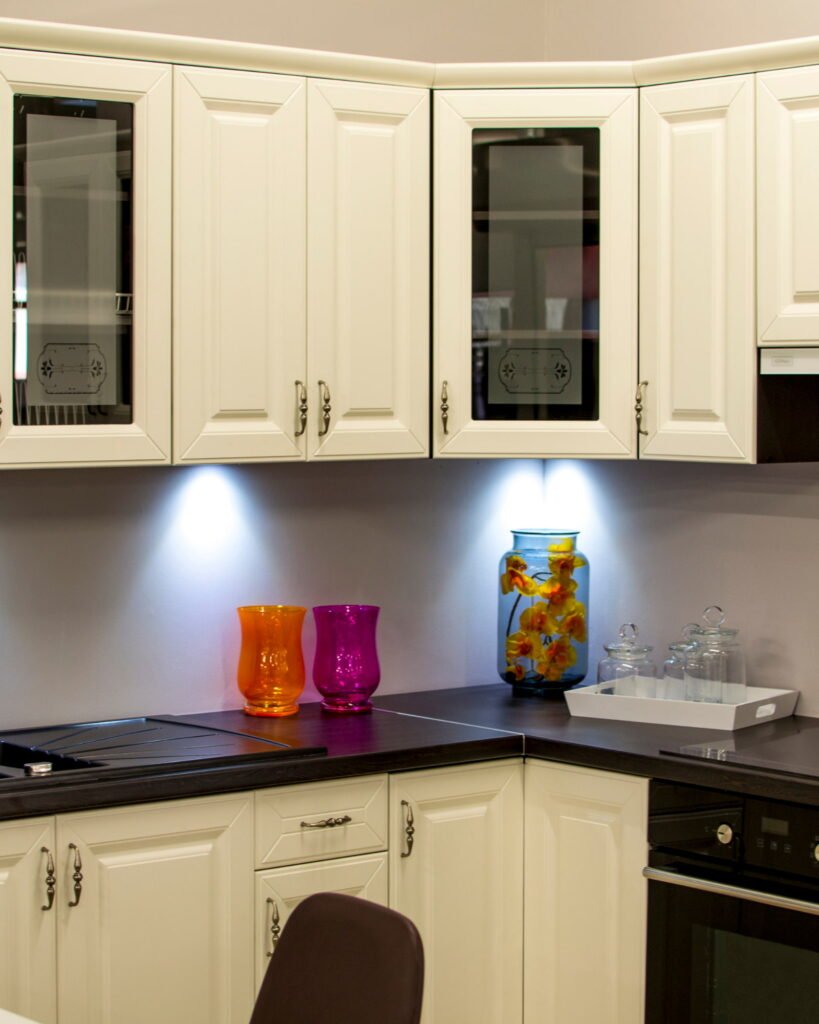
Why Middle GA Homeowners Choose Alcord Construction for Cabinet Installation
Alcord Construction delivers precise, professional cabinet installation that makes quality cabinets perform and look their best. We verify wall conditions and make necessary preparations, establish perfectly level reference points for consistent installation, secure cabinets properly to structural framing, adjust doors and drawers for smooth operation, and complete every detail from trim to hardware—ensuring stability and functionality with flawless appearance. With extensive experience throughout Sandersville, Dublin, Milledgeville, Macon, Warner Robins, Perry, and surrounding Middle Georgia areas, we bring meticulous attention and proven expertise to every cabinet installation.
Our Services
Our Service Areas
- Sandersville
- Dublin
- Milledgeville
- Macon
- Warner Robins
- Perry
- Surrounding Middle Georgia communities
Learn More
Cabinet Installation in Middle Georgia: Precision That Makes the Difference
Cabinet installation appears straightforward—mount boxes on walls, hang doors, install hardware. Reality requires far more skill than most people realize. The difference between professional installation and amateur work becomes obvious the moment you open doors and drawers. Professional installations have doors that align perfectly, close smoothly, and stay adjusted for years. Drawers glide effortlessly and stop precisely where they should. Cabinet boxes sit level and secure regardless of wall irregularities. Amateur installations have doors with uneven gaps, drawers that stick or fall out, and boxes that aren’t quite level no matter how you look at them. This difference stems from understanding how to prepare spaces, account for imperfect walls, level cabinets precisely, secure them properly, and adjust hardware correctly.
Why Cabinet Installation Demands Professional Skill
Many homeowners purchase quality cabinets then undermine their investment with poor installation. Even premium cabinets perform poorly and look terrible when installed incorrectly.
Wall preparation determines installation success more than many realize. Walls are rarely perfectly flat or plumb. Studs aren’t always exactly where expected. Previous repairs or modifications create irregularities. Professional installers assess walls, identify problems, and correct them before hanging cabinets. Amateur installers mount cabinets to imperfect walls and struggle with results that never quite look right.
Level and plumb installation is non-negotiable. Cabinets mounted even slightly off-level have doors that swing open or closed on their own, create visual awkwardness immediately obvious to anyone who looks, prevent countertops from sitting properly, and stress hinges and hardware causing premature failure.
Achieving level installation on unlevel walls and floors requires skill. Professional installers establish level reference lines regardless of surrounding conditions, shim cabinets precisely to maintain level while securing them, and create perfectly level installations even in houses that have settled.
Secure mounting prevents catastrophic failures. Cabinets full of dishes, canned goods, or appliances weigh hundreds of pounds. Inadequate mounting allows cabinets to pull away from walls—a dangerous situation causing damage and potential injury. Professional installation secures cabinets to wall studs using appropriate fasteners, distributes loads properly across mounting points, and verifies installations can handle expected loads safely.
Cabinet alignment and spacing affect both appearance and function. Consistent reveals—gaps between doors and drawer fronts—create professional appearance. Uneven spacing screams amateur installation. Proper alignment allows doors and drawers to operate smoothly without binding or gaps.
Hardware adjustment makes quality cabinets function flawlessly. Modern hinges and drawer slides have multiple adjustment points allowing fine-tuning of door and drawer positions. Professional installers understand these adjustments and take time to perfect them. Amateur installers often leave hardware in positions that cause problems.
Understanding Cabinet Construction and Types
Different cabinet types require different installation approaches. Understanding what you’re working with helps set appropriate expectations.
Framed Versus Frameless Cabinets
Traditional face-frame cabinets have frames across the front of cabinet boxes. Doors mount to these frames. This construction is common in American cabinetry and more forgiving of minor installation irregularities.
Frameless or European-style cabinets lack front frames. Doors mount directly to cabinet sides. This construction requires more precise installation—even minor misalignment is obvious. However, frameless cabinets provide slightly more interior space and create contemporary appearance many prefer.
Installation difficulty is similar for both styles, but frameless cabinets demand slightly tighter tolerances.
Stock Versus Custom Cabinets
Stock cabinets come in standard sizes—typically 3-inch increments for width. They’re manufactured in advance and available relatively quickly. However, achieving perfect fit sometimes requires filler strips between cabinets or creative spacing.
Semi-custom cabinets offer more size options and some customization while still being manufactured in advance. They provide better fit flexibility than stock cabinets at moderate price premiums.
Custom cabinets are built specifically for your space to exact dimensions. They offer perfect fit and unlimited design options but cost significantly more and require longer lead times. Installation is similar regardless of cabinet category, though custom cabinets sometimes have unique features requiring special handling.
Cabinet Box Construction Quality
Cabinet quality varies dramatically. Better cabinets use plywood boxes rather than particleboard, have solid wood or plywood backs rather than thin panels, include solid mounting rails for secure installation, and feature quality hardware—hinges, slides, and shelf pins.
Lower-quality cabinets can be installed properly but won’t perform as well long-term. Particleboard boxes sag over time. Thin backs pull away from mounting screws. Cheap hardware fails prematurely. Installation quality can’t overcome poor cabinet construction.
Ready-to-Assemble Cabinets
RTA cabinets ship unassembled and require assembly before installation. Quality varies enormously—some RTA cabinets rival pre-assembled quality while others are flimsy and poorly designed.
RTA installation adds assembly time to projects. Assembly must be done carefully—poorly assembled cabinets won’t function properly regardless of installation quality. Hardware must be tightened correctly, joints must be square, and backs must be secured properly.
Some installers refuse RTA work due to quality concerns and assembly complications. Others handle RTA installations but charge appropriately for added time.
The Professional Cabinet Installation Process
Quality installation follows systematic processes that ensure both appearance and function meet professional standards.
Pre-Installation Assessment and Planning
Professional installation begins before cabinets arrive. This includes measuring spaces precisely to verify cabinet fit, checking walls for plumb and flat conditions, identifying stud locations for secure mounting, verifying floor level and addressing significant irregularities, planning installation sequence for efficiency, and confirming utility locations—plumbing, electrical, gas.
Skipping assessment leads to discovering problems with cabinets already partially installed—when fixing problems is difficult and expensive.
Wall Preparation and Repair
Walls must be properly prepared before installation. This involves repairing any damage from demolition, ensuring adequate backing for mounting—adding blocking if necessary, correcting significantly out-of-plumb walls that would complicate installation, and removing any obstructions interfering with cabinet positioning.
Attempting to install cabinets on unprepared walls creates problems that skilled installation can’t fully overcome.
Establishing Level Reference Lines
Before hanging cabinets, professional installers establish level reference lines. For upper cabinets, a level line at mounting height provides reference. For base cabinets, the highest point in the floor determines installation height—all cabinets are installed level to that point, with shims filling gaps at lower areas.
These reference lines guide installation and ensure consistent results regardless of wall and floor irregularities.
Upper Cabinet Installation
Upper cabinet installation typically begins in corners and works outward. Process includes temporarily supporting cabinets at proper height—usually with ledgers or braces, leveling cabinets precisely front-to-back and side-to-side, securing cabinets to wall studs with appropriate screws, connecting adjacent cabinets with bolts or screws, and verifying alignment before proceeding to next cabinets.
Upper cabinets are installed before base cabinets. This prevents working over base cabinets and risking damage, allows easier access to upper cabinet mounting areas, and prevents base cabinets from interfering with positioning and leveling.
Base Cabinet Installation
Base cabinet installation follows similar principles. Process involves positioning corner or starting cabinets, leveling carefully using shims under cabinets, securing to walls at mounting rails, connecting adjacent cabinets, and verifying consistent height and alignment.
Base cabinet installation establishes countertop height. Precise leveling ensures countertops sit properly and don’t rock or have gaps.
Filler Strip Installation
Spaces between cabinets and walls or between cabinets of different depths require filler strips. These match cabinet finish and create finished appearance. Proper filler installation includes scribing fillers to fit wall irregularities, installing securely so they don’t separate from cabinets, finishing edges appropriately, and creating clean, professional transitions.
Poorly installed fillers—gaps, misalignment, or inadequate fastening—immediately reveal installation quality problems.
Toe Kick and Trim Installation
Base cabinet toe kicks cover gaps between cabinet bottoms and floors. These may be separate pieces or integral to cabinets. Installation requires cutting to proper length, scribing to floor irregularities if necessary, securing properly, and ensuring clean appearance.
Additional trim pieces—crown molding, light rail molding, end panels—complete installations. These require precise cutting, proper installation, and careful finishing.
Door and Drawer Adjustment
After boxes are installed, doors and drawers require adjustment. This critical step includes adjusting hinge positions for consistent reveals between doors, ensuring doors close smoothly and stay closed, setting soft-close mechanisms for proper operation, adjusting drawer fronts for even spacing and alignment, and verifying drawers glide smoothly and stop properly.
These adjustments separate amateur installations from professional work. The difference is immediately obvious when using cabinets.
Hardware Installation
Cabinet hardware—knobs, pulls, handles—must be installed consistently. This requires measuring carefully for consistent positioning, drilling precisely to avoid splitting, installing securely so hardware doesn’t loosen, and ensuring all hardware aligns and functions properly.
Inconsistently positioned hardware immediately reveals poor installation. Drilling in wrong locations requires patching and redrilling—obvious even when well executed.
Final Inspection and Touch-Up
Quality installation concludes with thorough inspection. Installers verify all doors and drawers operate smoothly, check that cabinets are secure and level, ensure hardware is tight and functional, confirm trim and fillers are properly installed, and address any touch-up or minor issues.
Professional installers don’t leave until installations meet quality standards.
Common Installation Challenges and Solutions
Certain conditions complicate cabinet installation. Professional experience helps navigate these challenges.
Unlevel Floors
Floors, particularly in older homes, are rarely perfectly level. Differences of 1/4 to 1/2 inch or more across kitchen spaces are common. Base cabinets must be installed level regardless of floor conditions.
Solution involves finding the highest floor point, installing cabinets level to that point, and using shims under cabinets at lower areas. Gaps beneath toe kicks hide shimmed areas. Attempting to follow floor contours creates unlevel cabinets with all associated problems.
Out-of-Plumb Walls
Walls can lean in or out from truly vertical. This creates gaps at cabinet tops or bottoms when cabinets are installed plumb. Minor out-of-plumb conditions can be accommodated with scribing or fillers. Severe problems might require wall correction before installation.
Professional installers assess wall conditions and determine appropriate solutions—whether installing cabinets plumb with fillers covering gaps, or following wall angles when differences are minor and cosmetically acceptable.
Insufficient Wall Backing
Cabinets must be secured to solid backing—typically wall studs. However, stud locations don’t always align with cabinet mounting rails. Studs might be missing where needed due to previous modifications or windows.
Solutions include adding blocking between studs during wall construction or repair, using heavy-duty toggle bolts rated for appropriate loads when studs aren’t available, or in some cases opening walls to install proper backing before drywall repair and cabinet installation.
Never secure cabinets only to drywall. They will fail under load.
Utility Conflicts
Plumbing, electrical, and sometimes gas lines pass through cabinet spaces. These must be routed through cabinet backs or bottoms without interfering with cabinet structure or function.
This requires precise measurement and cutting of holes in proper locations, protecting cut edges to prevent damage, ensuring adequate clearances around utilities, and coordinating with plumbers or electricians when necessary.
Cutting holes in wrong locations ruins cabinets. Careful measurement and verification before cutting prevents costly mistakes.
Irregular Wall Surfaces
Walls with texture, previous tile installations leaving high spots, or repair areas not finished flush create problems for cabinet installation. Cabinets won’t sit flush against irregular walls.
Solutions include grinding or sanding high spots before installation, shimming cabinets off walls slightly and using fillers to cover gaps, or in severe cases, correcting wall conditions before proceeding.
Working Around Existing Elements
Sometimes cabinets must be installed around elements that can’t be moved—pipes, ducts, unusual architecture. This requires creative solutions including custom cutting cabinets to fit around obstacles, building custom boxes or fillers, or in some cases modifying ductwork or utilities for better cabinet fit.
These situations require problem-solving skills and sometimes collaboration with other trades.
Regional Considerations for Middle Georgia Cabinet Installation
Local building characteristics and conditions affect cabinet installation approaches.
Older Home Challenges
Many Middle Georgia homes are older with characteristics complicating installation. Plaster walls rather than drywall are harder and more brittle, requiring different fastener approaches. Wall studs might be rough-sawn lumber in non-standard sizes and spacing. Floors sag more than in newer homes. Room dimensions might be non-standard.
Experience with older homes helps installers anticipate and address these challenges effectively.
Humidity Effects on Cabinets
Middle Georgia’s humid climate affects wood cabinets. Wood expands in high humidity and contracts in dry conditions. Doors and drawers that fit perfectly might bind during humid summers or develop gaps during dry winters.
Quality cabinets are built accounting for movement. Installation must allow appropriate expansion gaps—particularly important with frameless cabinets. Excessive tightness leads to binding. Too much space looks unprofessional.
Foundation Settlement
Some Middle Georgia homes experience foundation settlement creating out-of-level floors and out-of-plumb walls. While cabinet installation addresses these cosmetically, severe settlement might indicate structural problems requiring attention beyond cabinet work.
Installers should recognize warning signs—excessive floor slope, diagonal cracking, or door frame distortions—suggesting structural issues homeowners should address.
Termite and Moisture Damage
Opening walls during kitchen or bathroom renovation sometimes reveals termite damage or rot from moisture problems. These discoveries affect installation—damaged studs might need repair or replacement before providing adequate backing for cabinets.
Addressing these problems during renovation prevents installing expensive cabinets on compromised structures.
Cabinet Installation for Different Spaces
While principles are similar, different spaces have unique considerations.
Kitchen Cabinet Installation
Kitchen cabinet installations are typically most complex due to the number of cabinets involved, variety of cabinet types—base, upper, pantry, corner units, integration with appliances requiring precise spacing and alignment, plumbing and electrical connections for sinks and disposals, and coordination with countertop fabrication and installation.
Kitchen installations require careful planning ensuring adequate clearances for appliances, proper positioning of sinks and cooktops, and logical sequencing of installation steps.
Bathroom Vanity Installation
Bathroom vanities are simpler than full kitchen installations but have unique challenges including working in smaller spaces with limited maneuvering room, dealing with existing plumbing often located where vanities mount, ensuring level installation critical for proper sink and faucet function, and sometimes coordinating with tile work and tub surrounds.
Bathroom vanities must accommodate sink cutouts and faucet drilling. These are sometimes done by cabinet manufacturers, sometimes by countertop fabricators, and sometimes by installers. Coordination prevents errors.
Laundry Room Cabinets
Laundry room installations must accommodate washers and dryers, allow access to connections and ventilation, provide storage for cleaning supplies, and often include hanging rods and utility sinks.
Ventilation for dryers must be considered during cabinet planning. Cabinets must allow proper airflow and access for maintenance.
Garage and Workshop Cabinets
Garage cabinets emphasize function over appearance. They must handle heavier loads from tools and equipment, resist humidity and temperature fluctuations, mount securely to various wall types including concrete, and provide durable finishes resisting shop environment.
Installation often involves different wall types than interior spaces. Concrete walls require masonry anchors rather than wood screws. Metal studs require different fastening approaches than wood framing.
Built-In Storage Solutions
Beyond standard cabinets, built-in storage includes closet systems, entertainment centers, bookcases, and mudroom storage. These custom installations require precise measurement and planning, integration with room architecture, secure mounting for safety, and often creative solutions for unusual spaces.
Built-ins become permanent room features. Installation quality significantly affects appearance and property value.
Tools and Techniques for Professional Installation
Professional cabinet installation requires appropriate tools and mastery of techniques amateur installers often lack.
Essential Installation Tools
Professional installers use specialized tools including laser levels establishing level lines across entire rooms, cabinet jacks supporting upper cabinets during installation, various clamps holding cabinets together during fastening, scribe tools fitting cabinets to irregular walls, pocket hole jigs creating strong joints, and precise measuring and marking tools.
Quality tools don’t guarantee quality installation—skill matters more—but they make precision easier to achieve consistently.
Leveling Techniques
Achieving perfectly level installation requires understanding that floors and walls provide poor references—they’re often irregular. Instead, professional installers establish level reference points using levels and laser levels, work from these references regardless of surrounding irregularities, use shims precisely to maintain level while accommodating irregularities, and verify level throughout installation as work proceeds.
Checking level only at beginning and end often results in accumulated errors creating problems. Constant verification maintains accuracy.
Shimming Best Practices
Shims fill gaps between cabinets and walls or floors, maintaining level and plumb installation. Proper shimming includes placing shims at fastener locations—never fastening through empty space, using multiple thin shims rather than fewer thick ones, trimming shims flush after installation, and verifying shims don’t compress over time allowing cabinets to shift.
Poor shimming leads to cabinets settling out of level after installation or fasteners pulling through when shims compress.
Scribing to Irregular Surfaces
Scribing transfers wall or floor contours to cabinet edges, allowing custom fitting to irregular surfaces. This technique creates tight fits even when walls aren’t flat or square.
Scribing requires special tools, steady hands, and practice. Results are immediately visible—perfect scribing creates seamless fits while poor scribing leaves visible gaps or requires excessive caulk.
Proper Fastening Methods
Securing cabinets properly involves selecting appropriate fasteners—wood screws into studs, toggle bolts when studs aren’t available, driving fasteners at proper angles and locations, avoiding over-tightening that strips threads or cracks cabinets, and distributing load across multiple fastening points.
Understanding which fasteners work for different situations prevents failures. Choosing wrong fasteners—drywall screws where wood screws are needed, inadequate toggle bolts for heavy loads—creates safety hazards.
Coordinating Cabinet Installation with Other Trades
Cabinet installation doesn’t happen in isolation. Coordination with other trades ensures smooth project flow.
Working with Plumbers
Plumbers rough in sink supplies and drains before cabinets install. After installation, they connect fixtures. Coordination includes ensuring rough-in locations align with cabinet and sink specifications, leaving appropriate access for connections, scheduling plumber return for final connections, and verifying no conflicts between cabinets and plumbing.
Poor coordination leads to plumbing in wrong locations requiring cabinet modification or plumbing rework.
Electrical Coordination
Electricians install outlets, switches, and under-cabinet lighting. Coordination ensures outlets are positioned for appliances and convenience, under-cabinet lighting wiring is positioned properly, switch locations make sense with cabinet layouts, and adequate circuits serve kitchen loads.
Installing cabinets before finalizing electrical locations sometimes requires moving outlets—expensive and frustrating.
Countertop Fabrication and Installation
Countertop fabricators template after cabinets are installed. Cabinet installation quality directly affects countertop results. Level, secure cabinets allow countertops to sit properly without gaps or rocking. Poorly installed cabinets cause countertop problems no amount of shimming fully corrects.
Communication between cabinet installers and countertop fabricators ensures everyone understands expectations and timelines.
Flooring Installation
Flooring typically installs before base cabinets. However, sequencing depends on flooring type. Tile usually extends under cabinets. Floating floors like laminate or luxury vinyl typically don’t extend under cabinets to allow expansion.
Understanding proper sequencing for your specific project prevents problems requiring expensive corrections.
The Alcord Construction Cabinet Installation Approach
Different installers approach cabinet work differently. Our methods prioritize precision, function, and appearance.
Thorough Pre-Installation Preparation
We never start installation without proper preparation. This includes verifying cabinet fit through careful measurement, assessing and correcting wall and floor conditions, locating studs precisely for secure mounting, planning installation sequence for efficiency, and coordinating with other trades regarding schedules and details.
Preparation takes time but prevents problems that would be more time-consuming to fix after partial installation.
Precision Leveling and Alignment
We understand that level installation is non-negotiable. Our work includes establishing accurate level references across entire installation areas, maintaining level regardless of floor and wall irregularities, using quality levels and laser levels for precision, verifying level continuously as installation proceeds, and never accepting “close enough.”
We take whatever time is necessary to achieve truly level installation because we know this determines both appearance and function.
Secure, Proper Mounting
We secure cabinets using appropriate methods. This means fastening to wall studs whenever possible, using proper fasteners rated for loads, adding blocking when necessary for secure attachment, distributing loads properly across mounting points, and verifying installations are solid and secure.
We never compromise on mounting security. Cabinets must support expected loads safely.
Meticulous Door and Drawer Adjustment
We understand that perfect box installation means little if doors and drawers don’t function properly. Our adjustment work includes achieving consistent reveals across all doors and drawers, ensuring doors close smoothly and stay closed, setting soft-close mechanisms for proper operation, verifying drawers glide effortlessly and stop precisely, and checking operation of every door and drawer before completion.
We won’t sign off on work until every element functions flawlessly.
Quality Hardware Installation
We install hardware consistently and precisely. This means measuring carefully for exact placement, drilling accurately to prevent splitting and misalignment, installing securely so hardware stays tight, and verifying functionality of all hardware.
Inconsistent or poorly installed hardware immediately reveals installation quality problems. We ensure our hardware work meets the same standards as our cabinet installation.
Professional Finishing Details
We complete installations with attention to every detail including precise filler installation creating tight fits, proper trim and molding installation, clean toe kick installation, touch-up of any minor issues, and thorough cleanup leaving kitchens or bathrooms ready for use.
These finishing touches separate professional installations from mediocre work.
Clear Communication Throughout
You shouldn’t wonder what’s happening with your installation. We maintain communication including explaining the installation process and timeline, coordinating with other trades as necessary, addressing any issues or discoveries promptly, and ensuring you understand cabinet care and operation.
Cabinet installation involves disruption to kitchens or bathrooms. Clear communication helps manage expectations and minimizes inconvenience.
Middle Georgia Expertise
Throughout Sandersville, Dublin, Milledgeville, Macon, Warner Robins, Perry, and surrounding Middle Georgia communities, we’ve installed cabinets in homes of every age and condition. Our regional experience means we understand challenges of older home installation, account for humidity effects on cabinetry, recognize typical local wall and foundation conditions, and coordinate effectively with local countertop fabricators and other trades. Our reputation depends on installations that look factory-perfect and function flawlessly for years.
Perfect Your Middle Georgia Kitchen or Bathroom
Cabinets represent major investments in your home. Professional installation ensures they look and function as they should. If you’re remodeling kitchens or bathrooms, installing new cabinets in laundry rooms or garages, adding built-in storage solutions, or need expert installation protecting your cabinet investment, professional installation delivers results you’ll appreciate every time you open a door or drawer.
Alcord Construction brings meticulous craftsmanship to every cabinet installation. We handle all aspects including thorough preparation, precise leveling and mounting, careful door and drawer adjustment, quality hardware installation, and complete finishing details. You receive installations that look perfect and function flawlessly.
Throughout Sandersville, Dublin, Milledgeville, Macon, Warner Robins, Perry, and surrounding Middle Georgia communities, we deliver cabinet installation that homeowners depend on.