Professional Flooring Installation in Middle Georgia
Your floors shouldn’t creak, buckle, or show wear every time you walk across them. With professional flooring installation from Alcord Construction, you can upgrade tired, damaged floors with durable materials installed correctly the first time—without the hassle of managing subcontractors or dealing with uneven results. Our team handles everything from removing old flooring to preparing subfloors and installing new materials so you get floors that look sharp, feel solid, and hold up to years of daily traffic.
Common Flooring Problems in Middle GA Homes
- Scratched hardwood, stained carpet, and cracked tile making your home look worn and dated
- Uneven surfaces creating trip hazards and preventing furniture from sitting level
- Squeaky boards and loose planks signaling subfloor problems beneath the surface
- Water damage, warping, and soft spots threatening your home’s structural integrity
- Outdated materials that clash with your style and lower your home’s appeal
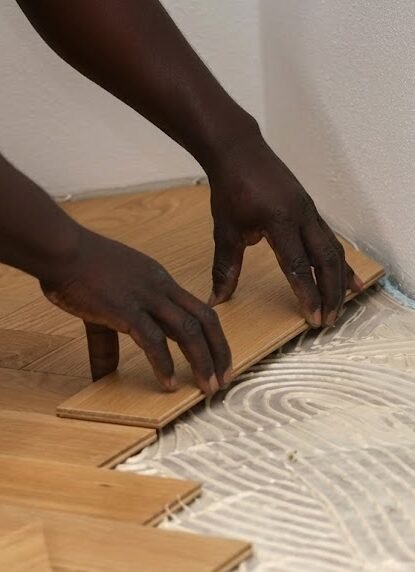
Why Middle GA Homeowners Choose Alcord Construction for Flooring Installation
Alcord Construction delivers precise, professional flooring installation that transforms how your home looks and feels underfoot. We remove old materials carefully, address subfloor issues before they cause problems, install new flooring with attention to expansion gaps and transitions, and complete every detail from baseboards to final cleanup—ensuring durability with a flawless finish. With extensive experience throughout Sandersville, Dublin, Milledgeville, Macon, Warner Robins, Perry, and surrounding Middle Georgia areas, we bring skilled workmanship and clear communication to every flooring project.
Our Services
Our Service Areas
- Sandersville
- Dublin
- Milledgeville
- Macon
- Warner Robins
- Perry
- Surrounding Middle Georgia communities
Learn More
Flooring Installation in Middle Georgia: Building Foundations That Last
Flooring anchors your home’s entire aesthetic. It’s the surface you walk on thousands of times daily, the backdrop for your furniture, and one of the first things people notice when they enter a room. When your floors fail you—when they show damage, feel unstable, look outdated, or can’t withstand normal use—it affects how you experience your entire home. Smart flooring installation fixes these problems while giving you materials that match your lifestyle and protect your investment for decades.
Why Flooring Matters More Than Most People Realize
Floors take relentless abuse. Foot traffic, furniture movement, dropped objects, spills, pet claws, tracked-in dirt—your floors endure constant stress. Quality materials installed correctly handle this abuse gracefully. Poor materials or sloppy installation fail quickly, creating problems that compound over time.
Flooring also shapes your home’s character more dramatically than almost any other single element. Walk into a house with worn, stained carpet and you immediately perceive neglect regardless of what else looks good. Enter a home with beautiful hardwood or modern luxury vinyl and you sense quality and care. Flooring sets expectations for everything else.
The surface underfoot affects comfort too. Hard surfaces echo footsteps and feel cold in winter. Soft surfaces cushion steps and provide warmth but show wear faster. Different materials suit different spaces based on traffic patterns, moisture exposure, and how you use each room.
From a financial perspective, flooring represents one of the most cost-effective improvements you can make. New flooring dramatically transforms spaces for less money than major renovations. It also delivers strong returns when you sell. Buyers notice floors immediately and factor condition heavily into their offers. Homes with quality flooring in good condition command higher prices and sell faster than comparable properties with problem floors.
Recognizing When Your Floors Need Replacement
Some flooring problems are obvious. Others develop gradually until suddenly you realize your floors look terrible. Knowing what signals replacement time helps you act before small issues become expensive disasters.
Visible Wear and Damage
Surface damage tells the story of your floors’ condition. Deep scratches in hardwood that penetrate the finish expose bare wood to moisture and staining. Cracks in tile create pathways for water to reach the subfloor. Carpet with matted traffic patterns, permanent stains, or worn backing no longer provides the appearance or function you need. Vinyl with tears, curling edges, or discoloration from sunlight has reached the end of its useful life.
These aren’t just aesthetic concerns. Damaged flooring loses its protective function. Water penetrates compromised surfaces and attacks the subfloor. Dirt grinds deeper into worn materials. What starts as surface damage accelerates into structural problems.
Structural Issues Beneath the Surface
Sometimes the problem isn’t the flooring itself but what’s underneath. Squeaky floors indicate movement between the flooring and subfloor or between subfloor and joists. Soft spots suggest water damage has weakened the subfloor. Floors that visibly sag or feel springy signal structural issues requiring immediate attention. Gaps between flooring and walls or between planks indicate materials have shifted or contracted improperly.
These problems won’t fix themselves. They worsen as movement continues and stress concentrates on weak points. Addressing structural issues before installing new flooring is essential—putting new materials over damaged subfloors guarantees failure.
Water Damage and Moisture Problems
Water destroys most flooring materials. Hardwood swells, warps, and rots. Laminate separates and bubbles. Carpet grows mold and smells musty. Even tile can suffer if water penetrates through grout and damages the substrate beneath.
Water damage appears in patterns. You might see discoloration along walls where moisture wicks up from below. Cupping or crowning in wood floors indicates moisture imbalance. Bubbling or delamination in vinyl or laminate shows water has gotten underneath. A persistent musty smell suggests mold growing in padding or subfloor even if you can’t see it.
Finding the water source matters as much as replacing damaged flooring. A leaking pipe, poor drainage, or inadequate moisture barriers will destroy new flooring just as quickly as they ruined the old.
Outdated Materials That Hurt Your Home’s Value
Flooring trends evolve. Materials that looked current twenty years ago now scream “dated.” Certain patterns, colors, and styles actively harm your home’s market appeal. Bright orange carpet from the 1970s, dark wood laminate from the 2000s, or worn vinyl with outdated patterns all lower buyer interest and reduce what people will pay.
Even if old flooring still functions, updating to contemporary materials can dramatically improve your home’s appearance and market position. Neutral, timeless flooring appeals to more buyers and provides better returns than niche styles.
Lifestyle Changes Requiring Different Flooring
Your flooring needs change as life circumstances evolve. New pets bring concerns about scratch resistance and accident cleanup. Young children mean increased spill risk and desire for softer surfaces. Aging in place raises priorities around slip resistance and ease of maintenance. Moving from a quiet household to a busy one might require more durable materials.
Flooring that worked fine for one life stage may fail to meet new requirements. Remodeling provides the opportunity to install materials suited to current needs rather than continuing with floors that no longer serve you well.
Choosing the Right Flooring for Your Space
Different materials offer distinct advantages and limitations. Understanding these helps you select flooring that matches how you actually live.
Hardwood—Classic Beauty With Considerations
Real hardwood flooring delivers unmatched warmth and character. It can be refinished multiple times over its lifetime, adapting to style changes. Hardwood increases home value more than most other flooring options. It’s available in numerous species, colors, and finishes.
However, hardwood scratches and dents more easily than hard-surface alternatives. It’s vulnerable to water damage and shouldn’t be installed in moisture-prone areas like bathrooms or basements. Hardwood also costs more than most alternatives and requires periodic refinishing to maintain appearance.
Solid hardwood performs best in climate-controlled environments without extreme humidity fluctuations. Middle Georgia’s humidity can stress hardwood, making proper acclimation and installation critical.
Luxury Vinyl—Modern Performance
Luxury vinyl plank (LVP) and luxury vinyl tile (LVT) have revolutionized flooring in recent years. Modern products convincingly mimic wood or stone while offering superior water resistance, scratch resistance, and ease of maintenance. Quality luxury vinyl handles moisture well enough for bathrooms, basements, and kitchens. It’s comfortable underfoot, quieter than tile or laminate, and costs less than hardwood while requiring minimal maintenance.
Not all luxury vinyl is equal. Low-quality products show wear quickly, have thin wear layers that damage easily, and look obviously fake. Quality products with thick wear layers and realistic textures provide excellent long-term performance.
Installation quality matters tremendously with luxury vinyl. Improperly prepared subfloors telegraph imperfections through the flooring. Inadequate expansion gaps cause buckling. Poor seam work creates visible lines and entry points for moisture.
Laminate—Budget-Friendly Option
Laminate flooring offers wood or stone appearance at lower cost than the real materials. Modern laminate resists scratches better than hardwood and installs quickly over most existing subfloors. It works well in living areas, bedrooms, and hallways.
However, laminate can’t be refinished like hardwood. Once the surface is damaged, replacement is the only option. Laminate also sounds hollow underfoot compared to solid materials. Most laminate shouldn’t be installed in moisture-prone areas—water penetration causes swelling and delamination that can’t be repaired.
Quality varies dramatically between products. Cheap laminate shows wear quickly, sounds terrible when walked on, and looks obviously fake. Better laminate with thick wear layers and quality locking systems performs well for years.
Tile—Durability for Wet Areas
Ceramic and porcelain tile provide excellent durability and water resistance. They’re ideal for bathrooms, kitchens, entryways, and anywhere moisture is a concern. Tile resists scratches, doesn’t fade, and maintains appearance indefinitely with minimal care. Modern tile comes in endless styles including convincing wood and stone looks.
Tile feels cold and hard underfoot—less comfortable than resilient materials. Dropped objects often break on tile floors. Tile installation requires more skill than floating floor products, and installation costs typically exceed other options. Grout joints require periodic sealing and cleaning to maintain appearance.
In Middle Georgia’s climate, tile handles humidity well and works excellently in moisture-prone spaces. Proper installation with adequate substrate and waterproofing prevents most tile problems.
Carpet—Comfort and Warmth
Carpet provides softness, warmth, and sound absorption unmatched by hard surfaces. It’s comfortable to walk on and safe for young children learning to walk. Carpet works well in bedrooms, family rooms, and upper floors where sound control matters.
However, carpet shows wear visibly in high-traffic areas. It stains permanently if spills aren’t addressed immediately. Carpet traps allergens, pet dander, and odors. Most carpet needs replacement every 7-15 years depending on quality and traffic. Carpet isn’t appropriate for moisture-prone areas or homes with significant allergy concerns.
Quality varies enormously. Builder-grade carpet wears out quickly and looks shabby within years. Better carpet with denser fiber and quality padding lasts longer and maintains appearance better.
Professional Installation Versus DIY
Flooring installation looks deceptively simple. Reality proves otherwise. Understanding what proper installation requires helps you appreciate the value professionals bring.
The Critical Importance of Subfloor Preparation
Flooring is only as good as what’s underneath it. Every imperfection in the subfloor telegraphs through most flooring materials. High spots create rocking. Low spots leave voids where flooring can flex and break. Moisture in subfloors causes adhesive failure, warping, mold, and material breakdown.
Professional preparation includes identifying and fixing structural issues, leveling subfloors to appropriate tolerances, ensuring adequate moisture barriers, repairing damaged areas, and creating surfaces that meet manufacturers’ specifications for the flooring being installed.
Skipping proper preparation guarantees problems. DIY installers often underestimate subfloor requirements and pay later when flooring fails prematurely.
Acclimation and Environmental Control
Most flooring materials expand and contract with temperature and humidity changes. Proper installation requires acclimating materials to the installation environment, maintaining appropriate temperature and humidity during installation, and leaving proper expansion gaps that accommodate movement without causing buckling or gapping.
Rushing installation before materials acclimate causes failures. Installing hardwood at the wrong humidity level leads to gaps in winter or buckling in summer. Installing floating floors without adequate expansion gaps causes buckling when materials expand.
Professional installers understand these requirements and follow them regardless of schedule pressure. DIY installers often skip acclimation because they don’t understand why it matters.
Precision Cutting and Fitting
Quality installation requires countless precise cuts—around doorways, corners, transitions, obstacles, and irregular walls. Each cut must be accurate. Poor cuts leave visible gaps, create trip hazards, look unprofessional, and sometimes can’t be fixed without replacing material.
Professionals have proper tools, experience judging cuts, and enough material to accommodate occasional mistakes. DIY installers often lack appropriate saws, struggle with precision, and don’t order enough extra material to cover errors.
Transitions and Finishing Details
Flooring doesn’t end at room edges—it transitions to other surfaces, meets thresholds, and connects to baseboards. These details require careful planning and execution. Transitions between different flooring types need appropriate moldings that accommodate height differences and movement. Doorway thresholds must be smooth and secure. Baseboards need clean contact with flooring without gaps.
Sloppy transitions ruin otherwise decent installations. They’re also where water can penetrate and damage subfloors. Professional attention to these details separates quality work from amateur attempts.
Warranty Protection
Manufacturer warranties typically require professional installation. If problems develop with DIY-installed flooring, manufacturers often deny warranty claims. Professional installation includes installer workmanship guarantees that protect you if installation defects cause problems.
This protection has real value. If your floors fail prematurely due to installation issues, professional work gives you recourse. DIY installation leaves you absorbing the entire cost of fixing problems.
What Quality Flooring Installation Actually Involves
Understanding the installation process helps you recognize quality work and know what to expect during your project.
Thorough Assessment and Planning
Quality work starts with evaluation. Experienced installers assess your existing floors, identify subfloor condition and any needed repairs, discuss how you use each space and what matters most to you, explain material options suited to your needs and budget, and create realistic project timelines.
This assessment prevents surprises. Problems are identified before work begins when they’re easier to address. Expectations are established clearly so everyone understands the plan.
Complete Removal of Existing Flooring
Removing old flooring requires care to avoid damaging subfloors. Professional removal includes pulling up existing materials systematically, removing all adhesive residue that would interfere with new installation, disposing of debris properly, and preparing for subfloor work.
Aggressive removal damages subfloors and creates more work. Inadequate removal leaves contaminants that prevent proper bonding or create imperfections under new flooring.
Subfloor Inspection and Repair
Once old flooring is removed, the subfloor is visible for thorough inspection. This reveals water damage, structural deficiencies, inadequate fastening, or irregularities needing correction. Quality installers fix these issues before proceeding.
Repairing subfloors might involve replacing water-damaged sections, adding screws to eliminate squeaks, applying leveling compound to smooth surfaces, or installing moisture barriers where needed. This work isn’t visible in the finished project but determines whether your floors perform well long-term.
Precise Material Installation
Installation methods vary by flooring type, but quality work always includes following manufacturer specifications exactly, maintaining proper spacing and expansion gaps, ensuring secure adhesion or interlocking, creating level, smooth surfaces, and achieving consistent appearance throughout.
Rushing installation causes mistakes. Proper installation takes time and attention to detail at every step.
Clean Transitions and Trim Work
Professional installations include appropriate transition moldings between rooms and materials, smooth, secure thresholds at doorways, proper reinstallation or replacement of baseboards, and careful work around obstacles like cabinets and door frames.
These finishing details make the difference between installations that look professional versus those that look DIY.
Thorough Cleanup and Protection
Quality installers leave your home clean. This means removing all debris and packaging, cleaning new floors properly for the material type, protecting finished floors from damage during remaining work, and leaving spaces ready to use.
Some contractors treat cleanup as optional. Professional contractors consider it an essential part of the service they provide.
Regional Considerations for Middle Georgia Flooring
Local climate and building characteristics affect flooring performance. Understanding these factors helps you choose appropriate materials and installation methods.
Managing Humidity Fluctuations
Middle Georgia experiences significant humidity variation between seasons. Summer brings high humidity that causes most materials to expand. Winter indoor heating creates dry conditions that make materials contract. Flooring installations must accommodate this movement.
Hardwood is particularly sensitive to humidity changes. Insufficient acclimation or improper expansion gaps lead to problems. Engineered hardwood and quality luxury vinyl handle humidity fluctuations better than solid hardwood, making them smart choices for Middle Georgia homes.
Moisture barriers matter more in humid climates. Without proper vapor barriers, moisture from concrete slabs or crawl spaces migrates into flooring and causes damage.
Crawl Space and Slab Considerations
Many Middle Georgia homes have crawl space foundations. These spaces can introduce moisture issues if not properly ventilated and moisture-controlled. Homes with moisture problems in crawl spaces will experience flooring problems regardless of material choice unless the moisture source is addressed.
Slab foundations require moisture testing before installation. Concrete slabs can transmit significant moisture vapor for years after construction. Installing moisture-sensitive flooring over slabs without proper barriers or adequate curing causes catastrophic failures.
Historic Home Challenges
Middle Georgia includes many older homes with unique flooring situations. Original hardwood floors might be worth refinishing rather than replacing. Subfloors might be solid wood rather than plywood, requiring different fastening approaches. Floor heights and transitions might be non-standard.
Working with older homes requires experience recognizing what can be preserved, how to work with unconventional construction, and when complete replacement is necessary. Not all installers have this expertise.
Building Codes and Standards
While flooring installation doesn’t require permits in most situations, it should still meet building standards for fire resistance, volatile organic compound (VOC) emissions, and structural adequacy. Quality flooring products meet these standards. Discount products sometimes don’t.
Using compliant materials protects indoor air quality, reduces fire risk, and ensures your home meets standards that could affect insurance or resale.
Maintaining Your Investment
Proper maintenance extends flooring life and preserves appearance. Different materials require different care approaches.
Hardwood Care Essentials
Hardwood floors need regular sweeping or vacuuming to remove grit that scratches the finish. Damp mopping with hardwood-specific cleaners maintains appearance without damaging the finish. Avoid excessive water—standing water damages hardwood quickly. Area rugs in high-traffic zones reduce wear. Maintain consistent humidity levels to minimize expansion and contraction. Refinish every 7-10 years or when finish wear becomes visible.
Hardwood is an investment that pays back through longevity if properly maintained. Neglected hardwood deteriorates rapidly.
Luxury Vinyl Maintenance
Luxury vinyl requires minimal maintenance. Regular sweeping or vacuuming removes dirt and grit. Damp mopping with pH-neutral cleaners handles spills and soiling. Avoid abrasive scrubbers that can dull the surface. Door mats reduce tracked-in dirt. Furniture pads prevent indentation and scratching.
Quality luxury vinyl maintains appearance for 15-20 years with basic care. It’s an excellent choice for people who want attractive floors without intensive maintenance requirements.
Tile and Grout Care
Tile itself requires little maintenance—regular cleaning keeps it looking new indefinitely. Grout requires more attention. Seal grout lines after installation and reseal annually or when water no longer beads on the surface. Clean grout regularly to prevent staining. Address spills quickly to prevent absorption.
Neglected grout becomes permanently stained and provides pathways for moisture to reach subfloors. Maintaining grout protects the entire floor system.
Carpet Longevity
Carpet requires the most maintenance of common flooring types. Vacuum high-traffic areas multiple times weekly. Deep clean annually or when visibly soiled. Address spills immediately—set stains become permanent. Rotate area rugs to distribute wear. Use furniture pads to prevent crushing.
Even with excellent care, carpet has limited lifespan. Plan for replacement every 10-15 years in most residential applications.
The Alcord Construction Flooring Installation Approach
Different contractors approach flooring differently. Our methods prioritize preparation, precision, and results that exceed expectations.
Honest Assessment Before Commitment
We evaluate your floors and subfloors thoroughly before providing estimates. This means identifying any structural issues that need addressing, assessing moisture conditions that could affect performance, discussing material options suited to your specific situation, and providing realistic cost and timeline expectations.
We won’t commit to projects we can’t execute properly. If we identify problems requiring attention first, we tell you directly rather than hiding issues and dealing with them through change orders later.
Subfloor Preparation Without Shortcuts
We understand that floors are only as good as their foundation. Our preparation includes repairing or replacing damaged subfloor sections, eliminating squeaks and movement, leveling surfaces to meet manufacturer specifications, installing appropriate moisture barriers, and ensuring structural integrity before any finish flooring goes down.
This preparation costs time and money, but it’s essential for long-term performance. We won’t install new flooring over subfloors we know will cause problems.
Material Acclimation and Environmental Control
We follow manufacturer requirements for acclimation precisely. Materials are delivered with adequate time to adjust to installation environment temperature and humidity. We verify conditions meet installation requirements before proceeding. We maintain proper expansion gaps that accommodate seasonal movement.
Rushing installation before materials are ready guarantees problems months or years later. We refuse to compromise on acclimation even when customers want faster completion.
Precise Installation Craftsmanship
Our installation work includes consistent spacing and alignment throughout, accurate cuts around all obstacles and transitions, secure adhesion or proper interlocking depending on material, smooth, level surfaces without high spots or voids, and careful attention to pattern matching where applicable.
We take pride in installation quality that meets or exceeds manufacturer standards and looks as good as the materials themselves.
Professional Transitions and Details
We understand that finishing details make or break perceived quality. Our work includes appropriate transition moldings selected and installed correctly, smooth, secure thresholds that don’t create trip hazards, careful baseboard installation or refinishing, and attention to every detail where flooring meets walls, cabinets, or other surfaces.
These details receive the same attention as main floor areas because we know they’re what people notice daily.
Complete Project Cleanup
We leave your home cleaner than many contractors would. This means removing all debris, packaging, and waste materials, properly cleaning new floors for the material type, protecting finished work during any remaining tasks, and delivering spaces ready for immediate use.
Our cleanup standards reflect our overall approach—thorough, professional, and respectful of your home.
Middle Georgia Focus
Throughout Sandersville, Dublin, Milledgeville, Macon, Warner Robins, Perry, and surrounding Middle Georgia communities, we’ve built relationships by delivering consistent quality and honest service. Our local presence means we understand regional homes, climate challenges, and material performance in Middle Georgia conditions. Our reputation depends on your satisfaction and referrals from customers like you.
Understanding Flooring Investment Returns
Flooring represents significant expense. Understanding the returns—both immediate and long-term—helps you invest confidently.
Market Value Impact
Real estate professionals consistently identify flooring among the top factors affecting buyer decisions and home values. Homes with quality flooring in good condition sell faster and command premium prices compared to similar properties with problem floors. New flooring typically returns 70-80% of costs at resale while also making homes more marketable overall.
These statistics underestimate true value because they don’t account for how flooring affects overall home perception. Beautiful floors make everything else look better. Problem floors make entire homes feel neglected.
Quality of Life Returns
Beyond market considerations, new flooring dramatically improves daily life. Your home looks better, feels more comfortable, and becomes easier to maintain. You eliminate frustrations from damaged, outdated, or inadequate floors. These quality-of-life improvements have value even though they don’t appear on appraisals.
Material Longevity Considerations
Choosing durable materials with proper installation provides better long-term value than cheap materials that need frequent replacement. Quality hardwood lasts 50+ years with refinishing. Quality luxury vinyl lasts 15-20 years. Quality tile lasts indefinitely. These materials cost more initially but deliver better value over time than cheaper alternatives requiring replacement every 5-10 years.
Factor total cost of ownership over the expected timeframe rather than just initial installation cost when comparing materials.
Room-by-Room Versus Whole-House Approach
Budget constraints sometimes require phasing flooring work room by room. This approach spreads costs but creates challenges. Material dye lots change—flooring purchased later might not match earlier installations perfectly. Installation costs per square foot are higher for small jobs. Transitions between old and new floors look obvious.
Whenever possible, completing connected spaces in single projects delivers better results. You get consistent appearance, better material matching, and lower per-square-foot costs.
Transform Your Middle Georgia Home With Quality Flooring
Your floors affect every room’s appearance and how comfortable your home feels underfoot. If you’re living with damaged, outdated, or inadequate flooring, replacement delivers immediate improvements you’ll appreciate daily while protecting your long-term investment.
Alcord Construction brings skilled craftsmanship to every flooring project. We handle all phases including thorough subfloor preparation, precise material installation, detailed transition work, and complete cleanup. You receive honest assessment, quality workmanship, and floors built to last.
Throughout Sandersville, Dublin, Milledgeville, Macon, Warner Robins, Perry, and surrounding Middle Georgia communities, we deliver flooring installation that homeowners depend on.