Professional Roofing Repair & Replacement in Middle GA
Your roof protects everything beneath it—your family, your belongings, your investment. With professional roofing repair and replacement from Alcord Construction, you can stop worrying about leaks, storm damage, and costly repairs—without the stress of finding a contractor you can actually trust. Our team handles every detail with precision and care so your home stays dry, secure, and built to last through Middle Georgia’s toughest weather.
Common Roofing Problems in Middle GA Homes
- Missing or damaged shingles from wind, hail, and storms leaving your home vulnerable to water damage
- Leaks causing stains on your ceilings, walls, and attic insulation
- Curling, cracking, or blistering shingles from age and sun exposure
- Sagging rooflines or soft spots indicating structural damage beneath the surface
- Poor ventilation trapping heat and moisture that shortens your roof’s lifespan
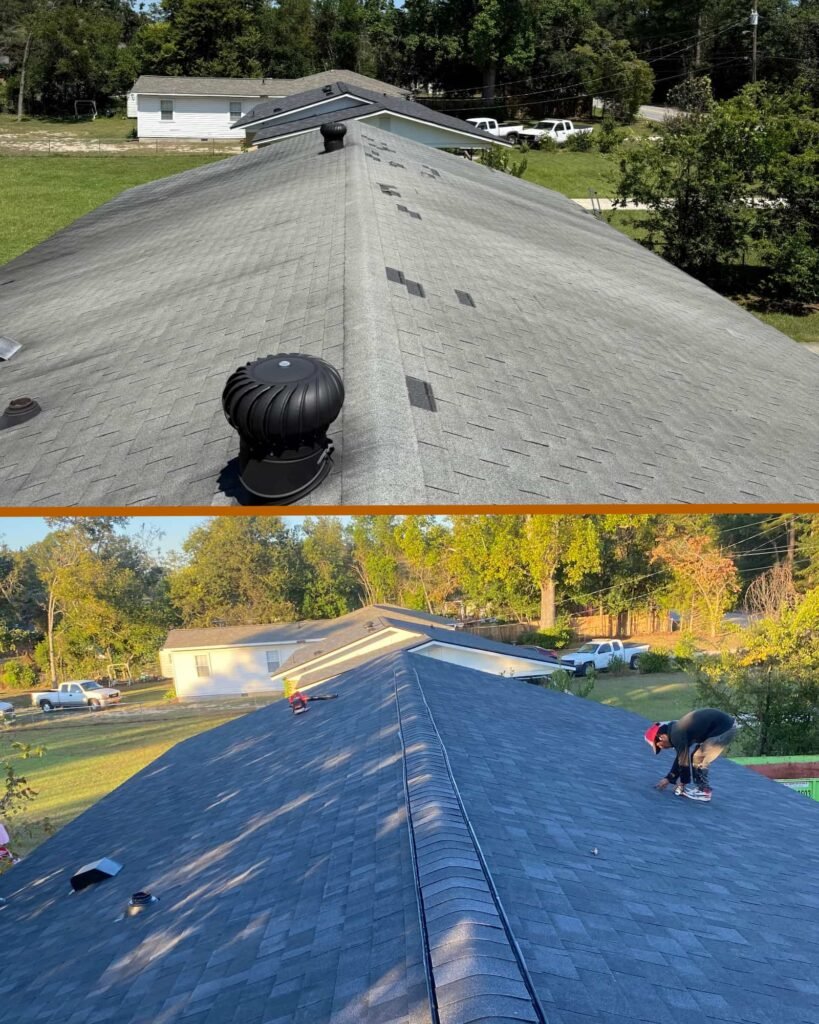
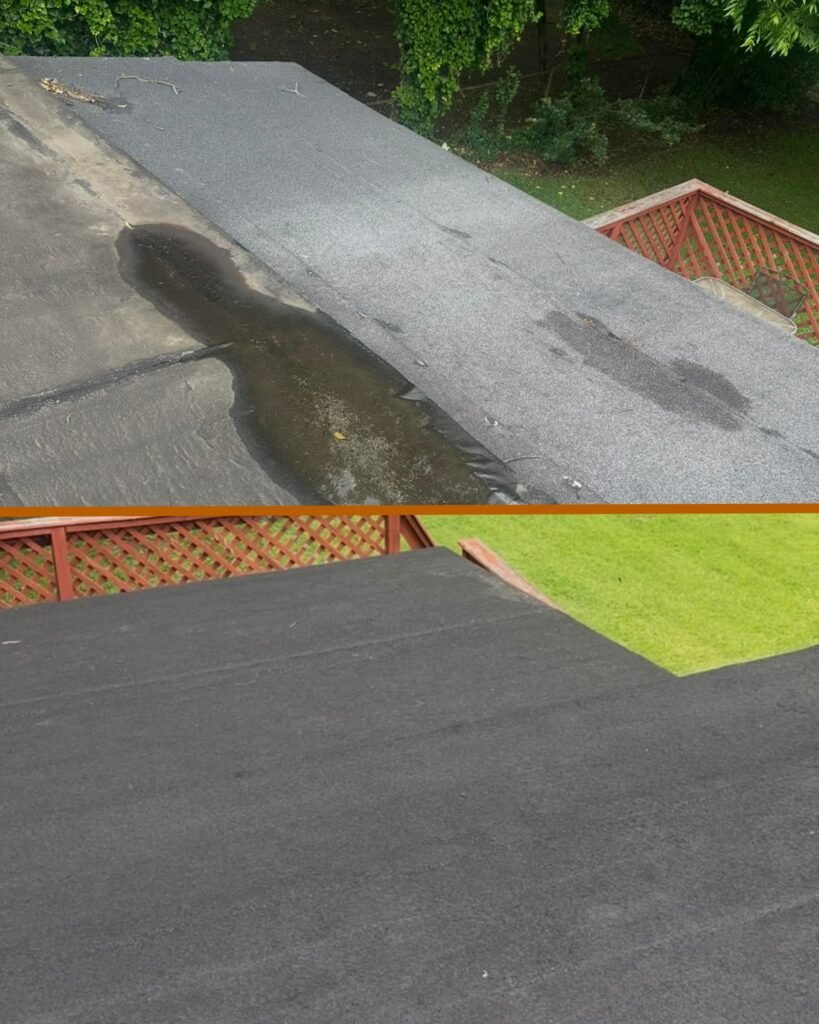
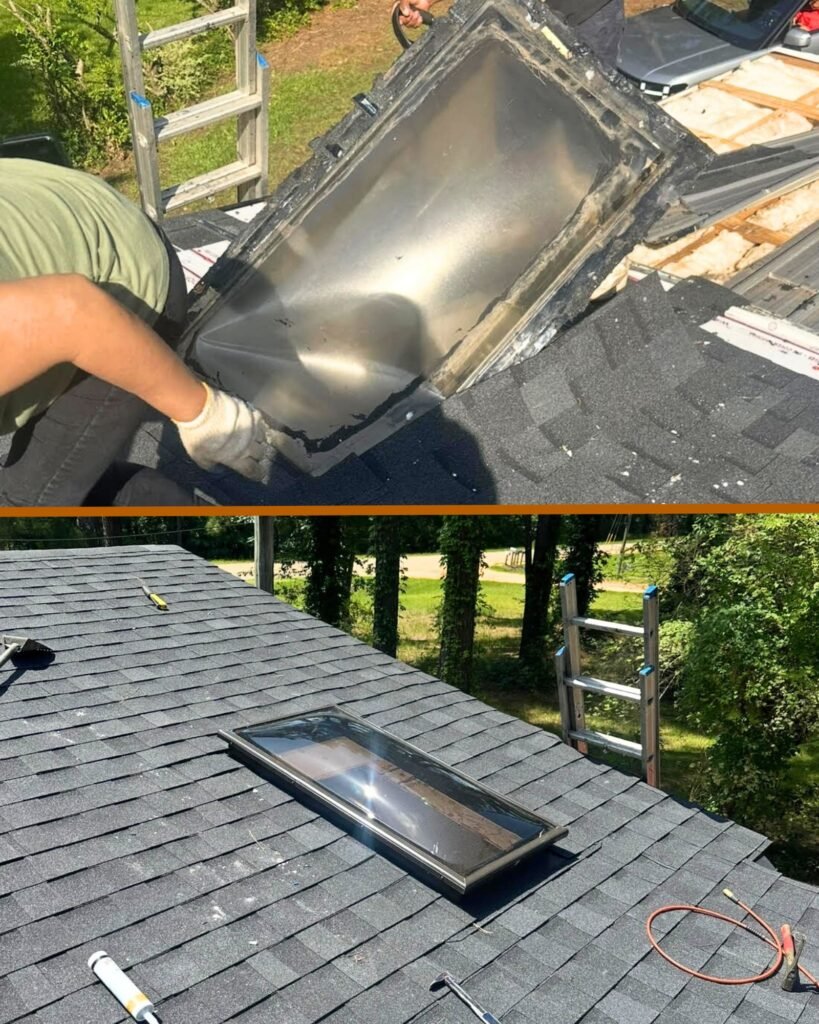
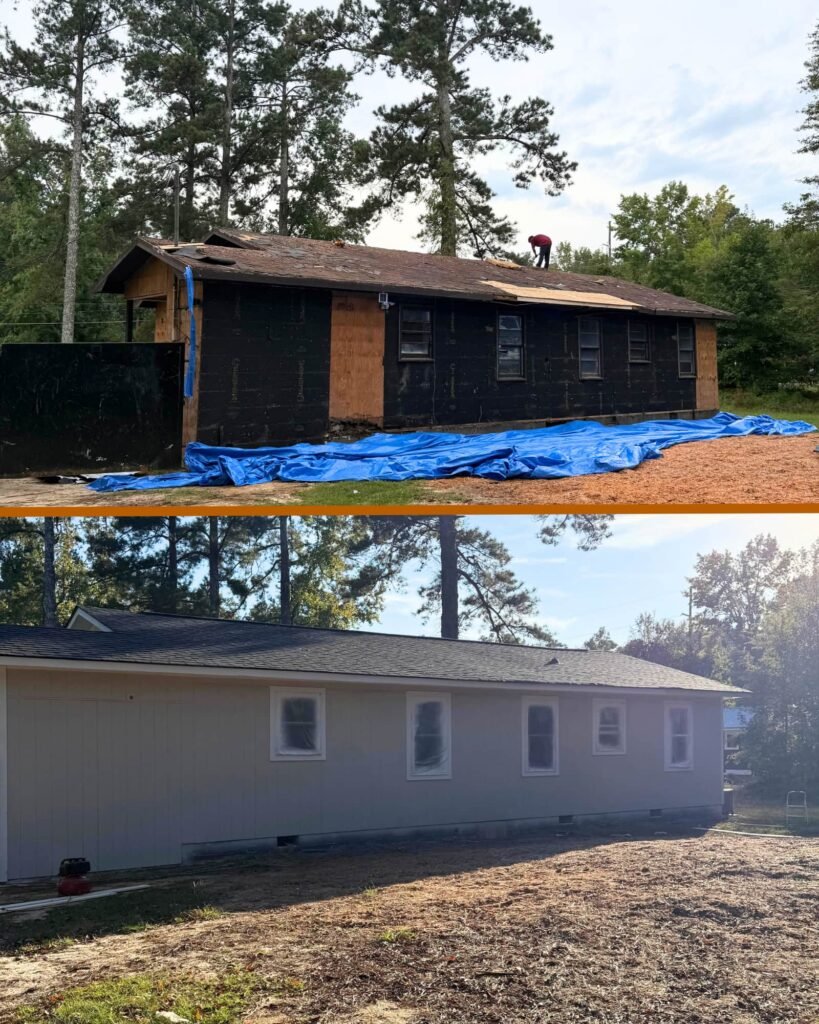
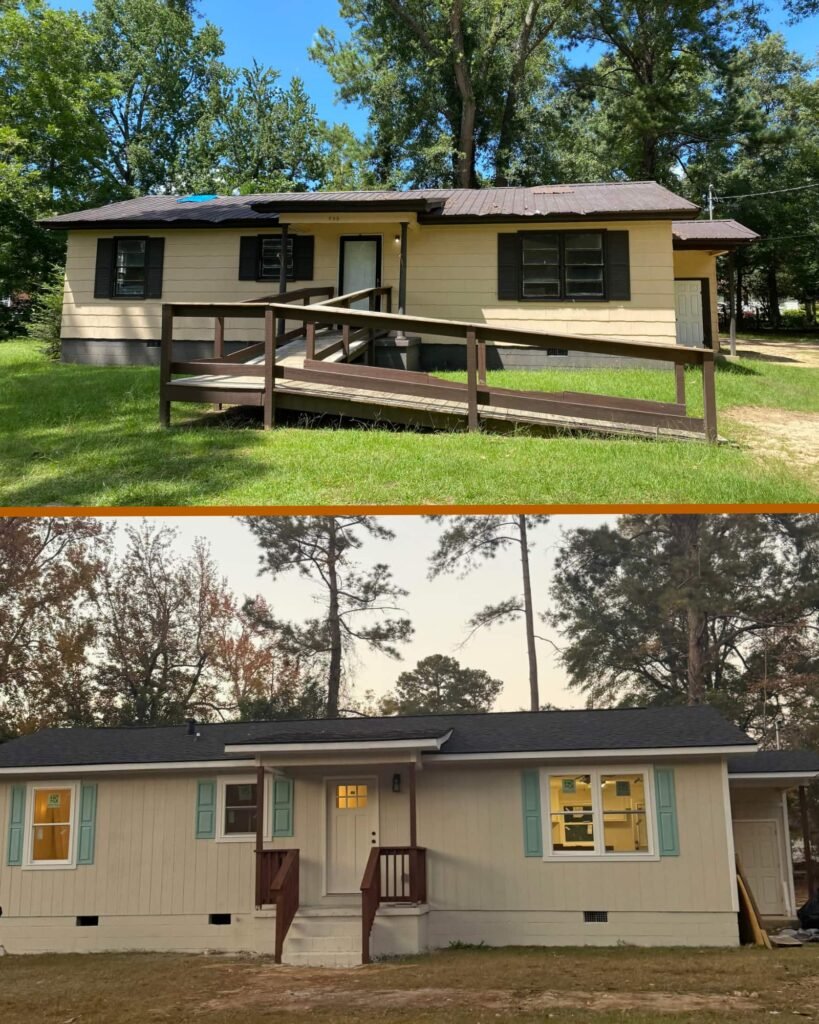
Why Middle GA Homeowners Choose Alcord Construction for Roofing Repair & Replacement?
Alcord Construction provides dependable, purpose-driven roofing repair and replacement that protects your Middle Georgia home for years to come. We assess damage thoroughly, recommend honest solutions, and install complete roofing systems built to withstand our weather—ensuring durable protection and a clean, professional finish. With our commitment to clear communication and quality craftsmanship across Sandersville, Dublin, Milledgeville, Macon, Warner Robins, Perry, and surrounding Middle Georgia communities, we deliver results that stand the test of time, every single project.
Our Services
Our Service Areas
- Sandersville
- Dublin
- Milledgeville
- Macon
- Warner Robins
- Perry
- Surrounding Middle Georgia communities
Learn More
Roofing Repair & Replacement in Middle GA: Expert Guide for Homeowners
Your roof does more than keep rain out. It protects your family, preserves your home’s value, and shields everything inside from Middle Georgia’s unpredictable weather. When shingles start failing or leaks appear, the problem won’t fix itself—it gets worse, fast. Understanding when to repair, when to replace, and how to choose the right roofing contractor can save you thousands of dollars and years of frustration.
Why Your Roof Matters More Than You Think
Most homeowners don’t think about their roof until something goes wrong. A small stain on the ceiling. A missing shingle after a storm. A drip during heavy rain. By the time these signs appear, damage has already started spreading beneath the surface.
Your roof faces relentless challenges. Middle Georgia summers bring intense heat and UV exposure that bakes shingles and breaks down protective granules. Afternoon thunderstorms deliver high winds and driving rain that test every seal and fastener. Fall leaves clog valleys and create moisture traps. Winter freezes expand trapped water into cracks. Spring storms bring hail that punctures and tears.
A compromised roof doesn’t just leak—it invites mold growth, ruins insulation, damages drywall and ceilings, destroys belongings, and weakens structural framing. Water follows the path of least resistance, often traveling far from the entry point before you see interior damage. What starts as a small leak can become a catastrophic failure requiring emergency repairs and extensive interior restoration.
Signs Your Roof Needs Professional Attention
Knowing when to call a roofing contractor saves money and prevents disaster. Watch for these warning signs:
Visible Exterior Damage Missing shingles create immediate vulnerabilities. Wind lifts edges and tears away entire sections, exposing underlayment or bare decking to the elements. Curling shingles indicate age and weathering—the edges lift and cup, allowing water underneath. Cracked or split shingles come from thermal cycling and sun damage. Blistering shows trapped moisture beneath the surface. Granule loss leaves shingles smooth and shiny where protective coating has worn away, accelerating deterioration.
Interior Warning Signs Ceiling stains appear as yellowish or brown discoloration, often with darker edges. Water stains spread slowly, indicating ongoing moisture intrusion. Damp or musty attic smells signal trapped moisture and potential mold growth. Visible light through roof boards from inside your attic means holes or gaps exist. Sagging ceiling sections indicate water-saturated insulation or damaged structural supports.
Structural Concerns Sagging rooflines or dips in the roof plane suggest underlying structural damage or decking failure. Soft or spongy spots when walking on the roof indicate rotted decking beneath shingles. Daylight visible through attic boards shows gaps or deterioration. Heavy moss or algae growth traps moisture against shingles and speeds decay.
Age and Wear Indicators Most asphalt shingle roofs last 20-25 years in Middle Georgia’s climate. If your roof approaches or exceeds this age, replacement becomes the smarter investment than ongoing repairs. Shingle tabs that break easily when touched have reached the end of their lifespan. Excessive granules in gutters indicate advanced wear.
Repair vs. Replacement: Making the Right Decision
Not every roof problem requires complete replacement. Understanding the difference saves money and prevents unnecessary work.
When Repair Makes Sense Localized storm damage affecting a small area can be repaired effectively. A few missing or damaged shingles from a fallen branch or isolated wind damage don’t justify replacing an otherwise healthy roof. Repairing specific problem areas extends your roof’s life when the overall system remains sound.
Minor leaks caught early often need simple fixes—replacing damaged flashing around chimneys or vents, resealing valleys, or replacing a small section of damaged shingles. These targeted repairs stop damage before it spreads.
Roofs under 15 years old with isolated issues typically benefit from repair rather than replacement. The remaining shingles still have useful life, making repair the cost-effective choice.
When Replacement Becomes Necessary Widespread damage across multiple roof sections makes repair impractical. When storm damage, age, or neglect affects large areas, patching becomes endless and expensive. Replacement delivers a complete solution.
Age-related deterioration throughout the roof system signals time for replacement. When shingles curl, crack, and lose granules across the entire surface, repairs only delay the inevitable. Replacing the roof prevents cascading failures and interior damage.
Multiple layers of old shingles create problems. Building codes typically allow only two layers—adding more overloads the structure and traps heat and moisture. Replacement removes old layers, inspects and repairs decking, and installs a proper single-layer system.
Structural damage to roof decking requires replacement. Water-damaged or rotted plywood or OSB boards must be removed and replaced before new shingles go down. You can’t install a quality roof over compromised decking.
The Cost Perspective Repairs cost less upfront but may not make financial sense long-term. If your roof needs frequent repairs, replacement becomes the better investment. A new roof provides decades of protection with minimal maintenance, while an aging roof demands increasing attention and expense.
Consider this: Three major repairs over five years might cost 60-70% of a full replacement. The old roof still fails eventually, meaning you’ve paid twice. Replacement eliminates ongoing repair cycles and provides warranty protection and peace of mind.
What Quality Roofing Work Actually Involves
Understanding the roofing process helps you recognize quality workmanship and avoid contractors who cut corners.
Thorough Inspection and Assessment Professional roofing starts with a comprehensive inspection. A qualified contractor examines your entire roof system—not just the obvious damage. We check shingle condition across all sections, inspect flashing around chimneys, vents, and skylights, examine valleys where water concentrates, assess underlayment where visible, evaluate attic ventilation, and look for signs of interior water damage or structural issues.
This assessment determines whether repair or replacement makes sense for your situation. Honest contractors explain what they find, show you the damage when possible, and recommend solutions based on your home’s needs—not their profit margin.
Proper Material Selection Not all shingles perform equally in Middle Georgia’s climate. Quality architectural shingles offer superior wind resistance, impact protection, and longevity compared to basic three-tab shingles. Underlayment quality matters—synthetic underlayment outperforms traditional felt paper in durability and weather protection.
Proper ventilation components prevent heat and moisture buildup that shortens roof life. Ridge vents, soffit vents, and proper attic ventilation keep your roof system healthy and efficient.
Complete Tear-Off and Preparation Quality replacement begins with complete removal of old roofing materials. We strip everything down to the roof decking, allowing inspection and repair of any damaged boards. This step reveals hidden problems—rotted decking, damaged trusses, or inadequate ventilation.
Clean decking receives new underlayment installed according to manufacturer specifications. Ice and water shield goes in vulnerable areas—valleys, eaves, and around penetrations. This waterproof barrier provides critical backup protection.
Precision Installation Shingle installation follows specific patterns and techniques. Proper starter strips at eaves prevent wind uplift. Correct nailing patterns—typically four to six nails per shingle in specified locations—ensure wind resistance. Shingles align straight with appropriate overlap and exposure.
Flashing installation around chimneys, vents, and walls requires skill and attention. We integrate flashing properly with underlayment and shingles, creating watertight seals that direct water away from vulnerable joints. Step flashing along walls, counterflashing at chimneys, and properly sealed pipe boots prevent the most common leak points.
Valley treatment varies by roof configuration. Closed valleys use woven or cut shingles—both work when installed correctly. Open valleys use metal flashing for maximum water-shedding performance in high-volume areas.
Ridge caps finish the roof peak with specially designed shingles that resist wind uplift and shed water effectively. Proper ridge vent installation provides critical attic ventilation while keeping weather out.
Clean, Professional Finish Quality roofing contractors protect your property throughout the project. We cover landscaping, move outdoor furniture, and use tarps to catch debris. Magnetic sweepers collect nails from your yard, driveway, and surrounding areas. Job sites stay organized and tidy.
Final cleanup leaves your property cleaner than we found it. We haul away all debris, inspect for any remaining materials, and complete a final walkthrough to ensure you’re satisfied with every detail.
The Hidden Costs of Delaying Roof Repairs
Putting off necessary roofing work seems like saving money—until you see the actual costs of delay.
Escalating Damage Small leaks become big problems quickly. Water entering your attic saturates insulation, reducing its effectiveness and requiring replacement. Damp insulation promotes mold growth that spreads to framing and drywall. Ceiling stains indicate damage has already progressed significantly.
Rotted roof decking starts small but spreads as moisture persists. What begins as one damaged board can compromise an entire section, requiring extensive replacement during eventual repairs.
Structural framing damage occurs when leaks persist. Water rots rafters and trusses, creating safety hazards and requiring expensive carpentry repairs beyond simple roofing work.
Interior Damage Compounds Costs Roof leaks destroy interior finishes. Stained ceilings need repainting or replacement. Damaged drywall requires cutting out and patching. Water-damaged insulation must be removed and replaced. Mold remediation adds thousands to repair bills.
Your belongings suffer too. Water damages furniture, electronics, keepsakes, and stored items. Homeowner’s insurance may not cover damage from neglected maintenance or known leaks left unrepaired.
Energy Efficiency Losses Compromised roofs let heat and cooled air escape. Damaged or missing shingles reduce thermal protection. Wet insulation loses R-value, making your HVAC system work harder. Higher energy bills result directly from roof problems.
Decreased Home Value A damaged or aging roof significantly impacts your home’s value. Buyers see roofing problems as major concerns requiring immediate attention or price reduction. Home inspections reveal roof issues, giving buyers negotiating leverage. Many buyers simply move on rather than deal with roofing problems.
Selling your home with obvious roof damage means accepting a lower price, offering repair credits, or replacing the roof anyway—now under time pressure and unable to shop carefully for contractors.
What Makes Middle Georgia Roofing Different
Local climate and conditions create specific challenges that national contractors and inexperienced roofers often miss.
Weather Patterns That Punish Roofs Middle Georgia’s summer heat is relentless. Roof surface temperatures reach 150-170 degrees, cooking shingles and accelerating aging. UV radiation breaks down asphalt and protective granules. Thermal cycling—extreme heat followed by cooler nights—causes expansion and contraction that stresses shingles and fasteners.
Afternoon thunderstorms bring sudden, intense rain and high winds. These storms test every vulnerable point on your roof. Wind-driven rain finds its way through any gap or weakness.
Hail occurs periodically, causing significant damage. Even small hail can bruise shingles, damaging granules and creating future leak points. Larger hail punctures and tears shingles, requiring immediate attention.
High humidity keeps roofs damp longer after rain. This extended moisture exposure promotes algae and moss growth, particularly on north-facing sections that receive less sun. Algae holds moisture against shingles, accelerating decay.
Building Considerations Many Middle Georgia homes feature complex roof designs with multiple valleys, dormers, and intersections. These architectural details create additional potential leak points requiring expert installation and maintenance.
Older homes may have multiple layers of old roofing, inadequate ventilation, or outdated materials. Addressing these issues during replacement improves performance and longevity.
Pine trees—abundant in the region—drop needles, cones, and branches. Debris accumulation in valleys and behind chimneys traps moisture and speeds deterioration. Regular maintenance becomes essential.
Choosing a Roofing Contractor You Can Trust
Your roof represents a major investment. Choosing the wrong contractor creates headaches, wasted money, and potential disaster.
Red Flags to Avoid Storm chasers appear after severe weather, often from out of state. They offer quick repairs at suspiciously low prices, collect deposits, and disappear. These contractors have no local reputation and provide no warranty support.
Pressure tactics signal problems. Legitimate contractors provide estimates without demanding immediate decisions. Be wary of “today only” pricing or scare tactics about imminent roof failure.
Cash-only deals and no written contracts indicate unlicensed or uninsured operators. You have no legal protection if problems arise. Always insist on detailed written contracts specifying materials, timeline, cost, and warranty information.
Unrealistically low bids usually mean substandard materials, poor workmanship, or hidden costs added later. Quality roofing requires quality materials and skilled labor—both cost money.
What to Look For Local contractors with established reputations have everything to lose by doing poor work. We live and work in the communities we serve. Our reputation depends on customer satisfaction and quality results.
Clear communication matters. Professional contractors explain the scope of work, answer questions thoroughly, and keep you informed throughout the project. You should always know what’s happening and why.
Proper licensing and insurance protect you. General liability insurance covers property damage during work. Workers’ compensation protects you if someone gets injured on your property. Ask for proof of both.
Detailed written estimates specify everything—materials (brand, type, and grade), labor, removal and disposal, repairs to decking or structure, ventilation improvements, cleanup, and timeline. Vague estimates lead to misunderstandings and disputes.
Material warranties and workmanship guarantees demonstrate confidence. Quality shingles come with manufacturer warranties—typically 25-50 years. Reputable contractors provide workmanship warranties covering installation for several years.
References and examples show track records. Ask for recent customer references and photos of completed projects similar to yours. Drive by completed jobs if possible.
The Value of Local Expertise Contractors familiar with Middle Georgia understand local building codes, weather challenges, and architectural styles common in the region. We know which materials perform best in our climate and how to address region-specific issues like pine straw accumulation and humidity.
Local contractors remain available for warranty work and future service. National chains and storm chasers disappear after the job. Local companies stay in business by maintaining customer relationships and delivering reliable results.
Extending Your Roof’s Lifespan
Quality installation provides the foundation, but proper maintenance extends your roof’s life and prevents problems.
Regular Inspections Schedule professional inspections every 2-3 years and after severe storms. Professional eyes spot developing problems before they cause damage. Early detection of loose shingles, damaged flashing, or other issues allows quick repairs that prevent larger problems.
Keep It Clean Remove debris regularly. Leaves, pine needles, and branches trap moisture and accelerate deterioration. Clean gutters prevent water backup that can damage roof edges and fascia. Trim overhanging branches to reduce debris and prevent damage from falling limbs.
Address Issues Promptly Small problems become large ones. When you notice missing shingles, damaged flashing, or interior water stains, call a professional immediately. Quick repairs prevent extensive damage and save money.
Ensure Proper Ventilation Adequate attic ventilation prevents heat and moisture buildup that shortens roof life. Balanced intake (soffit vents) and exhaust (ridge or roof vents) keep air circulating. Proper ventilation reduces cooling costs and prevents ice dams in rare winter weather.
The Alcord Construction Approach to Roofing
We built our roofing services around what homeowners actually need—honest assessments, quality work, clear communication, and results that last.
Thorough Assessment We inspect your entire roof system, not just obvious damage. You get a complete picture of your roof’s condition with honest recommendations. If repairs make sense, we tell you. If replacement is smarter, we explain why. We don’t sell you what you don’t need.
Quality Materials We install roofing systems designed for Middle Georgia’s climate. Quality shingles, proper underlayment, and correct ventilation components create a complete system that protects your home for decades.
Skilled Installation Our team knows roofing. We follow manufacturer specifications and industry best practices for every installation. Proper nailing patterns, integrated flashing, and attention to detail ensure your roof performs as designed.
Clean, Professional Process We protect your property, work efficiently, and clean thoroughly. Job sites stay organized and tidy. You won’t find nails in your yard or debris in your landscaping when we’re done.
Clear Communication You’ll know what we’re doing, why we’re doing it, and when it will be completed. We keep you informed throughout the project and address concerns immediately.
Local Commitment We serve homeowners across Middle Georgia—Sandersville, Dublin, Milledgeville, Macon, Warner Robins, Perry, and surrounding communities. We understand local homes, weather patterns, and building requirements. When you need service, we’re here.
Making the Investment in Your Home’s Protection
Your roof represents one of your home’s most critical systems. It protects everything beneath it and contributes significantly to your home’s value, energy efficiency, and curb appeal.
Quality roofing repair and replacement isn’t an expense—it’s an investment in your home’s future. A properly installed roof provides decades of reliable protection, prevents costly damage, improves energy efficiency, and enhances your property value.
Delaying necessary roofing work only increases costs and risks. Small problems become large ones. Manageable repairs become emergency situations. Interior damage compounds expenses.
Working with a contractor who values quality, communication, and customer satisfaction makes all the difference. You deserve a roofing partner who tells you the truth, does the work right, and stands behind their results.
Protect Your Middle Georgia Home Today
Don’t wait for small roofing problems to become expensive disasters. Whether you need targeted repairs or complete replacement, Alcord Construction delivers the quality workmanship and honest service you deserve.
We’re ready to assess your roof, explain your options, and provide the protection your home needs. Contact Alcord Construction today at 470-217-1420 or info@alcordconstruction.com to schedule your roofing consultation. Let us show you what purpose-driven craftsmanship and clear communication look like.
Your home deserves a roof built to last. Let’s make it happen.